It feels wrong. That’s the immediate reaction.
On Thursday morning, Meta posted a video to its official Instagram. The message was standard Silicon Valley reassurance: AI will not make us less connected. It won’t leave us behind. The visuals were warm. A toddler chases a butterfly. Parents laugh with a newborn. Jalen Brunson waves from a Knicks championship parade. It’s wholesome stuff.
Then you hear the music.
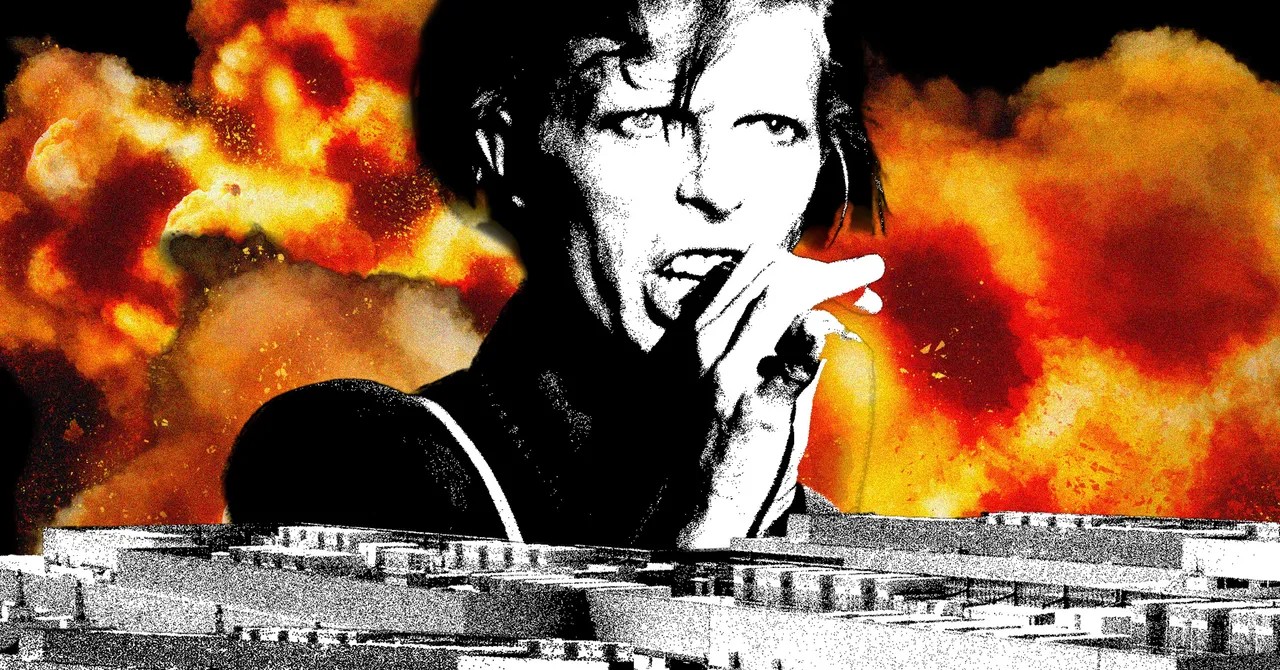
It’s David Bowie’s “Five Years” from 1972. The track isn’t about hope. It’s about the world ending. Specifically, it describes a five-year countdown to planetary death.
“We had five years left to cry / Earth was really dying”
Meta skipped the dark parts. It skipped the part where the news breaks. It kept the part where Bowie lists “all the fat, skinny people” and “all the nobody people.” It kept the lyrics about cramming memories into a hurting brain. It left out the weeping news guy.
Francis Brennan, Meta’s spokesperson, tried to fix the narrative. He sent a 1972 quote from Bowie about optimism. He claimed the song is about a “wave of optimism” in the face of technology. He wants you to believe Bowie was dreaming of a tech utopia.
But the song is a dystopian nightmare.
BowieBible.com confirms the context. Earth enters its final years for unknown reasons. There is panic. There is violence. There is a desperate attempt at redemption. Drummer Mick Woodmansey once said Bowie was in tears recording the vocals. He was crying because he knew what he was singing about.
Meta used a song about the apocalypse to sell smart glasses that they claim are not for surreptitiously harassing women while recording them.
Jeremy D. Larson, deputy director at Pitchfork, calls the move “ignorant” or “insidious.” Maybe it’s genius. He notes that Warner Chappell Music owns the catalog, so they control where the song ends up. Taking songs out of context is old hat for commercials. Remember the Carnival Cruise ad? Iggy Pop, a man who has spoken openly about heroin addiction, is singing about his struggle. It plays over scenes of happy cruisers. It’s a time-honored tradition of tonal dissonance.
But with AI?
Hearing Bowie’s work used here feels nonconsensual. The lyrics speak of human connection in the shadow of the apocalypse. Meta uses that shadow to say, “Trust us.” Mark Zuckerberg wrote that the company wants to give every person tools to reach their potential. The benefits of technology should be distributed to everyone.
This isn’t the first time tech giants have tried to calm the public.
Anthropic released an ad titled “There’s hope in hard questions” just a few weeks ago. It opens with a burning building. “Who’s gonna hit the brakes?” it asks. Then it shows dozens of graves. The tone shifts. Optimism creeps in. It ends with vague questions over images of humpback whales and families. What if we become more human again?
Google’s 2024 ad was baffling in a different way. A father teaches his daughter to hurdle. He decides to use Gemini to write a letter to Sydney McLaughlin-Levrone from the perspective of the girl. It’s awkward. It’s forced.
And then there was the Super Bowl ad for FTX. Larry David played various characters. He dismissed useful inventions. The toilet? Useless. The fork? Pointless. He dismissed crypto. “Don’t be like Larry,” the text said. Don’t miss out on the next big thing.
Nine months later, FTX filed for bankruptcy.
Meta is using every tool to increase goodwill. They are trying to sell hope. But these ads reveal a failure. Companies are spending millions to convince people their products don’t make the world worse because, independently, those products often fail that simple test.
We are still waiting for the brakes to hit. Or the hope to feel real.