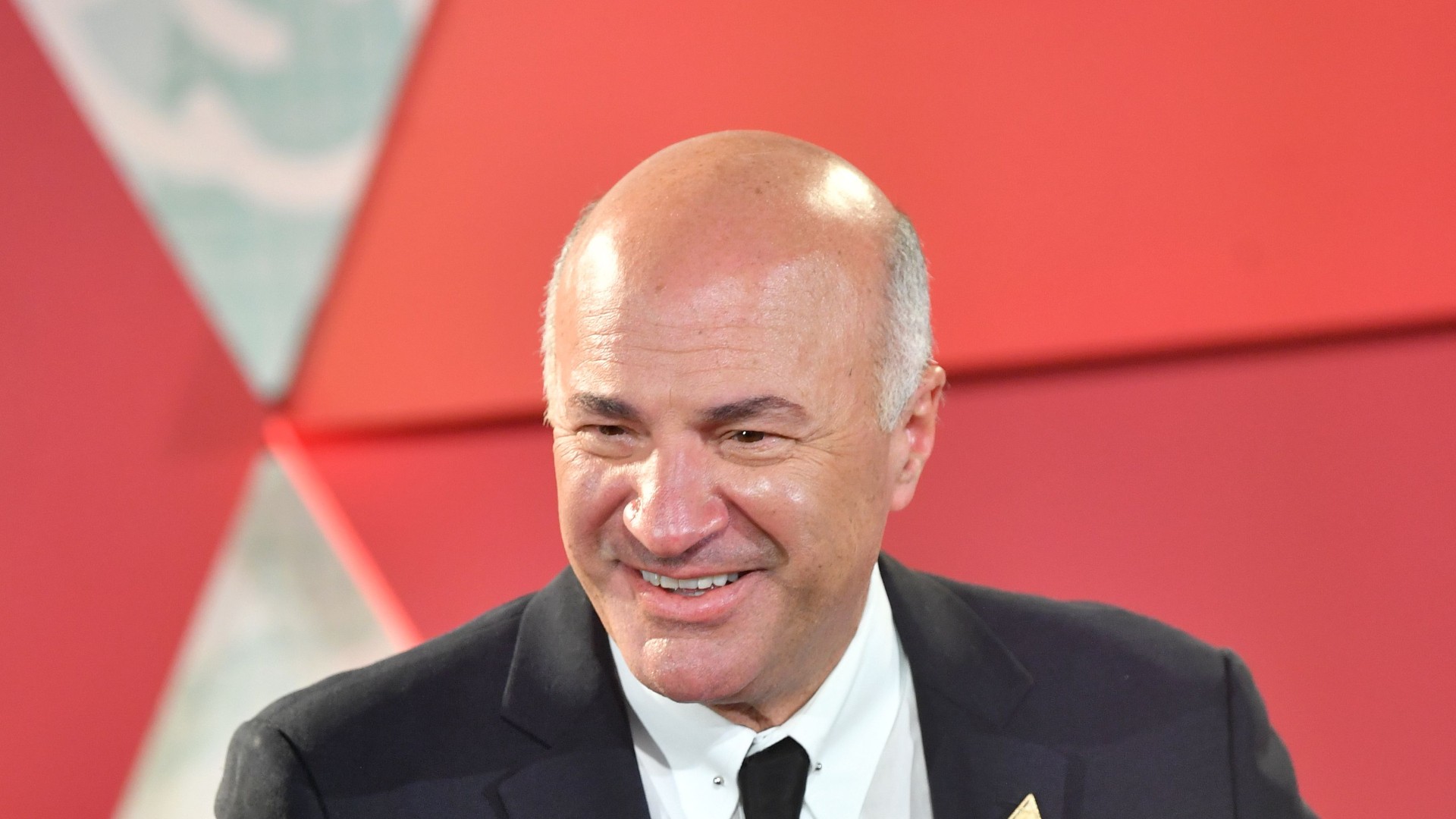
Kevin O’Leary isn’t holding back. The “Shark Tank” investor and self-described Mr. Wonderful tells it like it is. If you are drowning in debt or just tired of watching your paycheck vanish, he has one piece of advice: stop buying crap you don’t need.
With an estimated net worth of $40 million, he isn’t just preaching poverty. He is practicing aggressive frugality. He wants you to cut the fat from your lifestyle and redirect that cash into investments that work while you sleep.
It starts with small cuts. Coffee. Dating. Lunch. Clothes. These aren’t just anecdotes. They are specific strategies for anyone looking to optimize their financial health. Here is how he does it.
The $0.18 Coffee Rule
Forget the $5 lattes. O’Leary views a café coffee as a financial hemorrhage.
“I drink coffee, one cup every morning,” he explained to CNBC. “It costs about 18 cents to make [at home].”
That is not a typo. 18 cents. The rest? He invests it.
He applies this same ruthless efficiency to everything. If you are in debt, you do not spend money on frivolities. He skipped those expensive drinks so consistently that it helped fund O’Leary Fine Wines, his own vintage business. The principle is simple: if the money is sitting in your pocket, it isn’t working. If you invest it, it generates returns every single year.
Dating as a Portfolio Decision
Does this mindset apply to romance? Apparently, yes.
O’Leary treats dating like an investment opportunity. He isn’t saying you shouldn’t spend time with someone. He is asking if you should spend money without a clear return.
“Look at that significant other in the context,” he says. “Do I want to spend time with them? Do I want to invest money in them?”
It sounds cold. It is practical. You don’t need fancy, expensive dates to evaluate a relationship. Cook at home. Go for a walk. The point isn’t to be cheap for cheap’s sake. The point is to preserve capital until the commitment justifies the expense.
The “Do I Need This?” Filter
Before every purchase, O’Leary runs a mental check.
“Every time I pick up something… I say to myself, ‘Do I actually need this?’” he told CNBC Make It.
The logic is brutal. If he doesn’t buy it, that dollar goes into an asset. That asset makes more money while he is unconscious. He doesn’t hoard goods. He buys good stuff he needs and invests the surplus.
Most people buy things they don’t need with money they don’t have. The gap between desire and necessity is where wealth is built. It’s that simple.
The Sandwich Math
O’Leary calls out the daily lunch routine. You work in a metropolitan city. You’re making $60,000. You start off with a head full of ambition. You spend $15 on a sandwich every day.
“What are you, an idiot?” he asks bluntly.
The math is undeniable. Making that sandwich at home costs about 99 cents. The difference isn’t trivial. It adds up to roughly $15,000 lost per year. That’s not just a sandwich fund. That’s a down payment on a house. Or a substantial position in the S&P 500.
Most young professionals burn this cash on stupid stuff. O’Leary suggests you stop. Immediately. Bring your lunch. Use the savings. Watch them grow.
Investing in Durability, Not Trends
Fast fashion is a trap. O’Leary refuses to play the game of buying clothes he won’t wear again.
He notes that people love the dopamine hit of shopping. But look at your closet. You wear the same 20% of your clothes 80% of the time. The other 80%? It’s waste.
His solution? Uniformity.
“I wear the same suit every day,” he said. “I have 20 of them.”
He travels with four. He burns them out. Then he throws them out or donates them. No decision fatigue. No wasted money on trendy items that look dated in six months. He buys high-quality pieces. He uses them until they die.
There is no magic formula. Just discipline. It requires saying no to the impulse. It requires seeing a latte for what it is: a wasted investment. The money you save on the little things creates the foundation for the big wins. What will you invest today?