Центри з контролю та профілактики захворювань (CDC) завершують роботу над звітом про кризу з кіром у країні. Документ охоплює дані з січня 2025 року до червня 2026 року. Вчений всередині агентства повідомив WIRED, що передача вірусу була очевидною протягом усього року. Офіційні особи не могли б заперечувати цей факт, оскільки дані надто однозначні.
Цей внутрішній звіт надсилається до Панамериканської організації охорони здоров’я (PAHO). Саме ця організація вирішить, чи вдалося США фактично ліквідувати кір. Голосування відбудеться у листопаді. Однак багато лікарів стверджують, що вердикт уже вирішено наперед.
“Офіційна оцінка статусу ліквідації запланована на листопад”, – сказала WIRED Енн Шухант, яка очолювала відділ імунізації CDC з 2006 по 2015 рік. “По суті, це питання календарного графіка”.
Це тривожний дзвінок. І це є трагедія.
Лікарі в штаті Юта стикаються із цим на практиці. Повертається резистентність до вакцинації. Повертається і кір. Шість педіатрів поділилися своїми історіями із WIRED. Їхні слова відредаговані для ясності.
Госпіталізовані діти та ціна довіри
Траhern У. Джонс – спеціаліст з інфекційних захворювань у дітей у Солт-Лейк-Сіті. Він заходить до палати. Чує гавкаючий кашель. Він жахливий. Чути високий писк (стридор). Дитина намагається дихати. Кашель такий сильний, що лікар починає перехоплювати дихання.
Маля виглядає виснаженим. Але він може відпочити. Кашель не дає заснути.
Батьки є радикальними противниками вакцин. Не. Але вони призупинили вакцинацію, коли дитина була зовсім маленькою. У когось із знайомих була реакція. Або, можливо, це просто здалося реакцією. Вони планували зробити все щеплення пізніше.
Вони цього не зробили.
В іншому випадку батьки були шоковані недугою. Лікар запитав, що вони знають про кору. Їхня відповідь? Бабуся. Вона доглядала дітей, хворих на кір, кілька десятиліть тому. Це були їхні єдині знання.
“Це жахлива хвороба”, – сказав Джонс. «Навіть при найоптимальнішому перебігу лікування це одна з найважчих хвороб, через які будь-коли проходять діти».
Фізично вірус ламає дитину. Батьки не сплять. Вони доглядають хворого малюка. Потім приходить сором. Жаль. Вони відчувають глибоке приниження. Членів сім’ї обурено. Вони не розуміють, чому вакцинацію не було проведено.
Лікар Моні спостерігав, як ціна хвороби вдарила по сім’ї. Вони не мали страховки. Вони не користувалися медичною системою. Вони вважали, що це їм не знадобиться. Коли приїхав рахунок, він виявився величезним.
“Будь ласка, не йдіть додому”, – сказав Моні. «Вам потрібний кисень. У дитини пневмонія. Придумайте спосіб оплатити лікування. Тому що наші послуги є дорогими, але ми розуміємо ситуацію».
У тій хаті були й інші нещеплені діти. Вакцинувати їх уже запізно. Рекомендація? Карантин на 21 день.
“Не спілкуйтеся ні з ким”, – сказав Моні. «Не ходіть у продуктовий магазин. Навіть у масці».
Довіра зруйнована. Людям важко зрозуміти серйозність ситуації. Навіть коли дитина лежить у лікарні.
“Як я можу змусити людей зрозуміти?” – Запитує Джонс. «Я щиро турбуюсь за їхню дитину».
Батьки також турбуються. Але, можливо, не тією мірою. Вони не усвідомлюють, наскільки важким може стати перебіг хвороби.
“Це розбиває серце”, – сказав Моні. «Це добрі батьки. Які люблять своїх дітей. Вони отримали погану інформацію. Від федерального керівництва або з онлайн-джерел».
Найсумніше?
«Я не знав, що справа може зайти так далеко», — сказав один із батьків, доглядаючи хвору дитину.
Недовіра в цифрову епоху та політика науки
Тім Даффі – педіатр в окрузі Солт-Лейк. Багато сімей не є агресивними противниками вакцин. Вони просто сумніваються. Молоді батьки виросли у цифрову епоху. Вони проводили “дослідження” місяцями.
Слова мають значення. Ці дослідження живуть у соціальних мережах. Вони підтверджують їхні страхи. Вони думають, що роблять те, що краще.
“Можна укладати дитину спати на животі”, – сказав Даффі. «Можна не використовувати дитячі автокрісла. Для вашої конкретної дитини? Можливо, все буде гаразд. Але на мій погляд? Ми отримаємо погані наслідки. Діти з’являться у наших клініках. Це так сумно.
Лікар із південної Юти (який побажав залишитися анонімним) говорить про аутизм. Батьки побоюються, що вакцина спричиняє аутизм.
“Я був би дуже стурбований, якби існували докази”, – сказав лікар. «Але якби вакцини викликали аутизм, ми бачили б більше випадків серед щеплених дітей. Ми цього не бачимо».
Інші хочуть бути “природними”. Вони переймаються складом щеплень. Часті питання: «Ви вакцинували своїх власних дітей?»
«Знаючи те, що я знаю», — відповідає лікар, «я певен. Усі вони щеплені».
Вакцини стали політичним м’ячем. Джонс каже, що 20 років тому це було не так. Це роз’єднує людей.
«Якщо йдеться про політику», — сказав лікар із південної Юти, «я кажу їм, що моя позиція не продиктована політичними мотивами».
Міністерство охорони здоров’я та соціальних служб нещодавно рекомендувало скоротити кількість вакцин. Суд зупинив цей процес. Але плутанина залишається.
“Існує процедура”, – пояснив лікар. «Через ACIP (Консультативний комітет із практики імунізації). Складається з вчених та експертів. Багато людей було звільнено. Було обрано нову групу. Деякі члени змінили рекомендації. Поза історично перевіреним процесом. Це викликає побоювання».
Професійні організації, такі як Американська академія педіатрії, заявили, що зміни не ґрунтуються на доказах. Лікар розповідає батькам про це.
Еллі Браунштейн – обраний президент регіонального відділення Американської академії педіатрії у Юті. Вона уникає політики. Але дискусії додають прошарків складності до її роботи. Одна сім’я запитала про можливі зміни у графіку щеплень.
Замість просто перерахувати вакцини, вона пояснила науку. Вона розповіла, чому лікарі слідували одному графіку роками.
“Я довіряю цим експертам”, – сказала вона. “Більше, ніж недосвідченим людям”.
Моні каже, що люди втрачають довіру до медичної спільноти. Вони перенаправляють його. Відновлення довіри – складний процес. Потрібні послідовні повідомлення.
Від педіатрів. До місцевих відділів охорони здоров’я. До лідерів громад. Релігійні діячі. Педагогів.
“Нам потрібні послідовні повідомлення від керівництва штату”, – сказав Моні. “Їх дуже не вистачає”.
Реклама з телебачення. Рекламні щити. Повідомлення в школах та супермаркетах. Приходьте на спортивну подію. Побачте повідомлення про вакцину від кору-паротиту-краснухи (КПК).
Зараз? Люди повинні докладати зусиль. Щоб знайти достовірні джерела.
Нам потрібні зміни в політиці. Потяг рухається не в тому напрямку. Відчувається безсилля. Лідерства просто нема.
Будуємо мости, а не стіни
Джонс каже: підходьте до батьків із співчуттям. Ставте відкриті питання. Дізнайтеся про їхній досвід. Не обрушуйте на них факти та цифри. Не посилайтеся на посібники.
Покажіть, що ви жива людина. Згадайте своїх дітей.
“Я ніколи не порекомендував би те, чого не зробив би для своєї дитини”, – сказав Джонс.
Лікар із південної Юти зрозумів це на власному гіркому досвіді. Якщо ви тиснете силою, ви втрачаєте клієнта.
“Моя головна мета – будувати мости”, – сказав він. «Підтримувати стосунки. Так я можу спробувати їх переконати.
Все залежить від їхньої позиції. Батьки-скептики одразу кажуть «ні».
«Добре», — каже лікар. «Ви обираєте. Мені цікаво, якими є ваші причини».
Іноді просто розводять руками. “Це рішення”. Без розмови.
Гарний день – це коли є розмова. Навіть якщо ви не перемогли у суперечці.
“Допоможіть їм проаналізувати ситуацію”, – сказав лікар. «Не нав’язуючи нічого силою. Після розмови запитайте: «Чи можна мені поділитися своїм поглядом?»
Дехто каже «так» з ентузіазмом. Деякі кажуть «так», бо ввічливі.
Сфокусуйтеся на тих, хто має сумнів. На них йде час. Обговорюйте конкретні побоювання. Будьте відкриті щодо побічних ефектів.
В деяких дітей піднімається температура. Це нормально. Не небезпечно. Просто робить малюків некомфортно. Коли їхній організм виробляє антитіла.
Браунштейн не любить виключати нещеплених дітей. Деякі лікарі це роблять.
“Але це закінчує обговорення”, – сказала Браунштейн. «Я не можу говорити з батьками, якщо вижену їх. Якщо вони знайдуть лікарів зі схожими поглядами? Ситуація погіршиться».
Налякана дитина
Моні мріє, щоб люди бачили те, що він бачить.
Чи не пости в Instagram. Не «У мене був кір, і зі мною все гаразд».
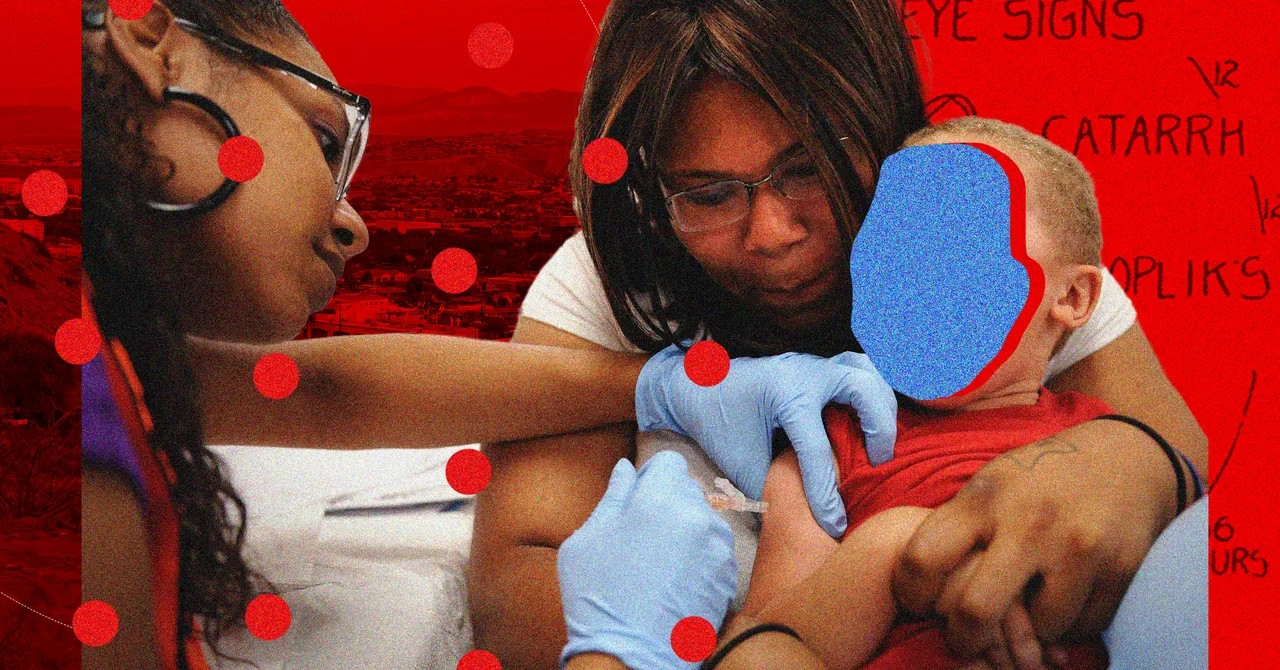
Лікарняні ліжка. Канюля у носі. Венозний катетер у руці. Дитина не може пити. Він може дихати самостійно.
“Дитина налякана”, – сказав Моні. “Батьки бояться, що дитина може померти”.
Як батько це розбиває серце. Цього можна було запобігти. Легко.
Даффі відчуває відповідальність. Навіть хоч батьки називають це вибором.
“Якщо трапиться щось погане, я відчуваю, що не сказав правильного слова”, – сказав Даффі. «Не поставив правильного питання. Опустив руку через погляд батька».
Кожен педіатр глибоко переживає. Ми – люди. Ми приносимо свої суспільні тривоги до кабінету лікаря.
Морріс намагається впоратися зі складними емоціями. Поділяє горе із сім’єю. Коли відбувається щось попереджуване.
“Найгірша ситуація”, – сказав Морріс. “Думаєте: “Чи міг я зробити щось по-іншому?”
Джонс бачить, як більше повертається хвороб. Хвороб, про які ми думали, що ліквідували.
“Необхідні драматичні зміни”, – сказав він. «Щоб запобігти таким результатам».
Він не бачить, що ці зміни прийдуть від тих, хто при владі.