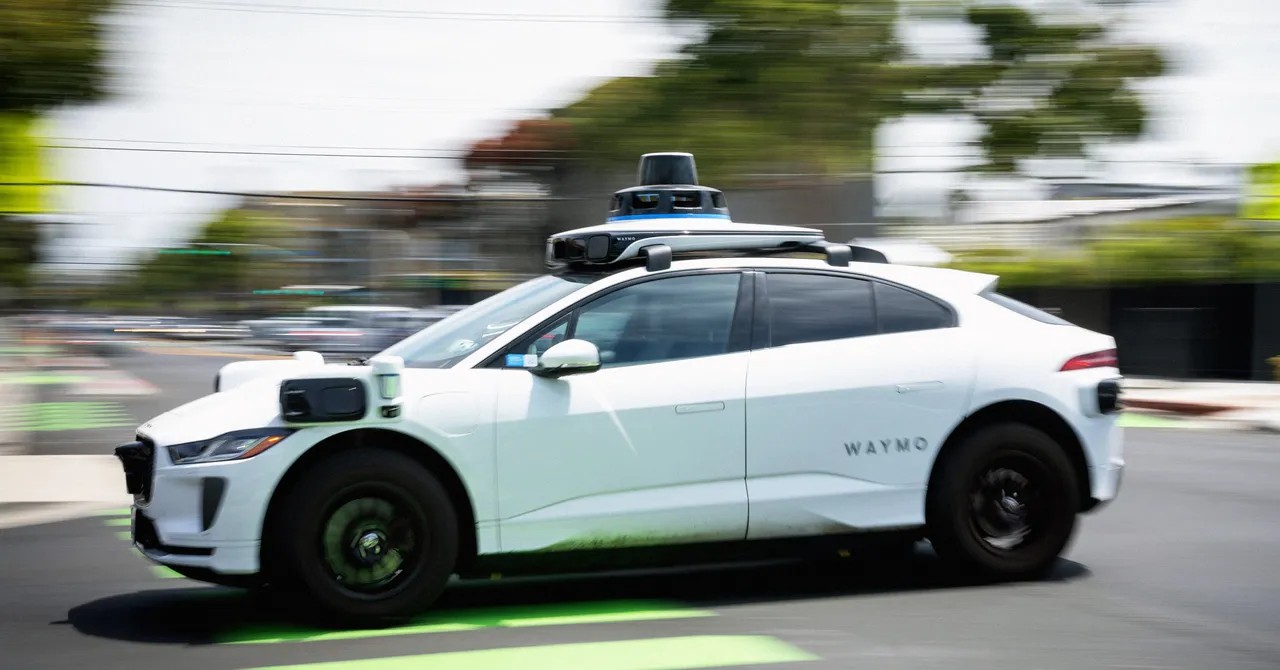
Virginia hasn’t cleared self-driving cars yet.
So why is Waymo showing up?
Last week, Alphabet’s subsidiary began rolling its robotaxis into Arlington and Alexandria. Just north. A Waymo rep told state officials this was purely for mapping. They need to create those ultra-precise digital maps before anything else happens. For now, humans are still behind the wheel during this scouting phase.
Ethan Teicher told WIRED this is “an important preparatory step.”
Should the state legalize it? Good. He admitted, however, they have “no plans” for a commercial launch just yet.
It’s a slow grind. Moving from these mapping runs to actual robotaxis takes 12 to 1 8 months. And money. Lots of it.
Rich Harrington, a policy adviser there, mentioned at a Virginia DOT meeting that the cars hit Alexandria first. Then Arlington. Both across the Potomac from D.C.
The company had briefed local officials.
It’s not just tech. It’s politics.
The state is currently trying to figure out how to regulate these things. A Senate bill wants to allow autonomous vehicles to carry passengers or cargo. But Senator Saddam Salim says don’t expect self-driving cabs before 2028.
Virginia is nervous. So are its neighbors.
Waymo operates in 11 metro areas now. They do about half a million rides a week. They want to hit 20 more cities. Tokyo. London. Places with different roads, different laws, different people.
But the backlash is real.
Mostly blue states. Mostluy cities where labor unions are screaming about lost jobs. A similar bill failed in Maryland last month. D.C. is debating unique permits and fees.
Waymo said in 2025 it would launch in Baltimore and D.C.
Now? Still unclear.
There are operational headaches too. Last week they paused service in Texas, Tennessee, and Georgia. Why? Storms. Flooding. Their software struggles when the roads turn into rivers. They recalled the code. They are working on a fix.
It’s not pretty.
One police official told federal regulators that Waymo deployed “too quickly in too vast amounts.” Another source noted that remote operators—humans guiding the cars from afar—still slammed into fences.
Yet Waymo isn’t stopping.
Teicher says they are “actively working” on D.C. Groundwork in Baltimore continues.
Maybe laws change. Maybe one day you can ride driverless through the DMV entirely.
Right now though, the presence itself is the point. Getting their vehicles in front of policymakers matters more than the ride itself.
Who decides if this technology is safe? Who profits? And what happens when the rain stops?