


EVs cost a fortune.
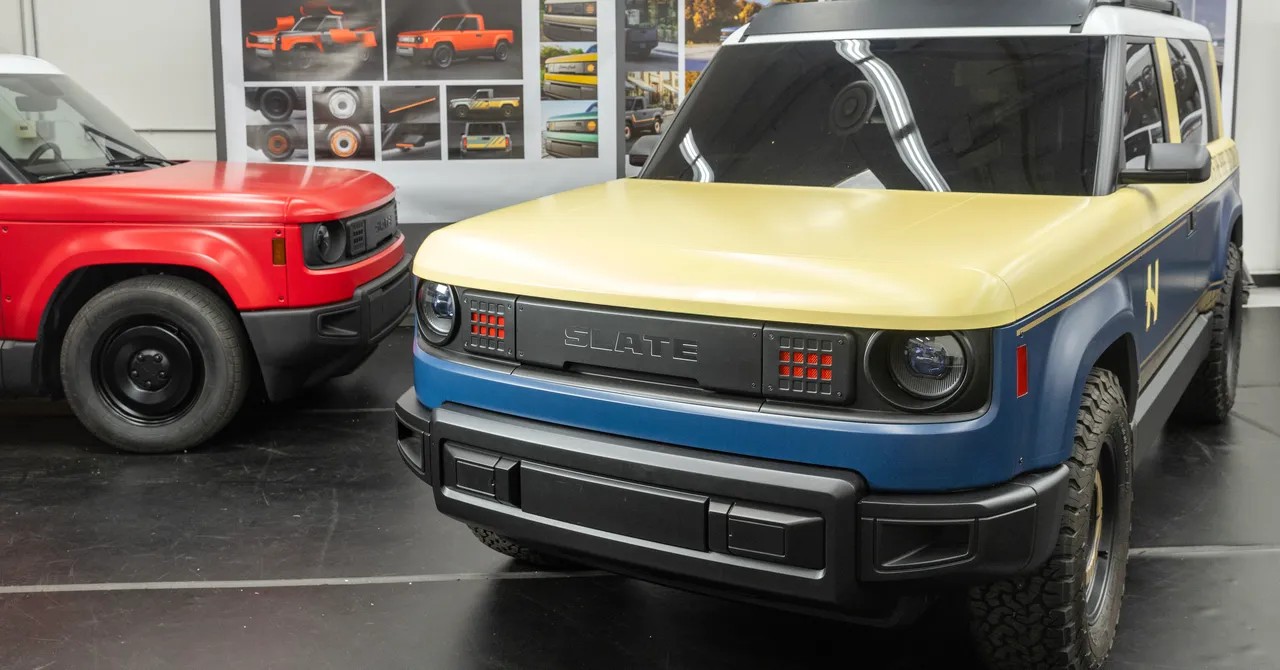
$55,000 average. Too much for most folks right now. So when Michigan upstart Slate unveiled a cheap electric truck, eyes lit up. Or squinted.
Slate’s base model sits just under $25,000. Barely a car. You want windows that move on their own? Extra. Speakers? That’s a premium.
But the real secret isn’t the lack of features. It’s the chemistry inside the floorboards. Lithium iron phosphate, or LFP. Invented here, sure. But perfected over there. In China.
It’s a weird loop. Trump’s policies helped make this Chinese tech the savior of America’s cheap EVs.
Killing the Credit
Remember the Inflation Reduction Act of 2022? Congress passed a climate law offering up to $7,50 in tax credits for EV buyers. Nice perk. Big catch.
To keep the cash, your batteries had to be US-made. With US-sourced minerals. And crucially, free from “foreign entities of concern.” Read that list.
Russia. Iran. North Korea. China.
Suddenly, LFP was radioactive for tax-credit hunters. The US discovered this stuff in the 196os. Everyone abandoned it for denser nickel-rich mixes. Chinese makers like BYD and CATL kept building it. Why? Cheaper. Safer. Less range. They didn’t mind the range. We did.
So US automakers stuck to nickel manganese cobalt (NMC ) to hit the tax targets. Slate planned to too.
Then came the repeal.
The Pivot
Last summer. GOP-controlled Congress moved on Trump’s campaign promise.
Kill the EV mandate.
Which meant killing the credit.
Boom. The rules vanished. No more penalty for using Chinese-friendly materials. The math flipped. Why pay for expensive nickel batteries if the government isn’t giving you seven grand to offset it?
Sales are tanking. BloombergNEF says a 19 percent drop this year. Automakers are bleeding out EV lines. But for the cheap segment, the handcuffs are off.
“It is partly due to market forces… as well as regulatory changes with the Trump administration,” Bob Lee at LG Energy Solution put it.
Slate isn’t pretending anymore. They’re using batteries from Gotion. A US subsidiary of a Chinese firm made in Illinois. Will they qualify for any old credits? No. Doesn’t matter. They need the price point.
Slate says the range is up to 205 miles. Not a road trip vehicle. But affordable? Yeah.
Who Actually Wants These Batteries?
It’s not just Slate.
Tesla’s standard Model 3s use LFP. Ford’s Mustang Mach-E standard range does too. The Chevy Bolt? Swapped over completely. Even Ford’s secretive California “skunkworks” truck—Slate’s direct rival—runs on it.
Who is making them? Mostly China. Ninety-seven percent of global LFP cathodes come from there.
Wait, isn’t LG making them now?
Five of LG’s eight US plants will build LFPs soon. Fifty gigawatt-hours capacity this year. Triple the output. Sounds good. Except for one problem.
Most won’t go into cars.
They’ll go into wall units. Grid storage.
Why? LFPs are heavy. Heavy batteries kill car range. But if you’re charging a neighborhood during a blackout? Weight is irrelevant. Safety is everything. LFP wins.
GM, Ford, Samsung—they are repurposing EV battery lines to make static storage units. Keep the cash flow going while EV sales slump.
Is this a victory for American manufacturing independence? Maybe later. Lee says we’re missing the skilled workforce. We’re missing billions in factory space.
For now? The cheapest American EV runs on Chinese chemistry.
Strange.


