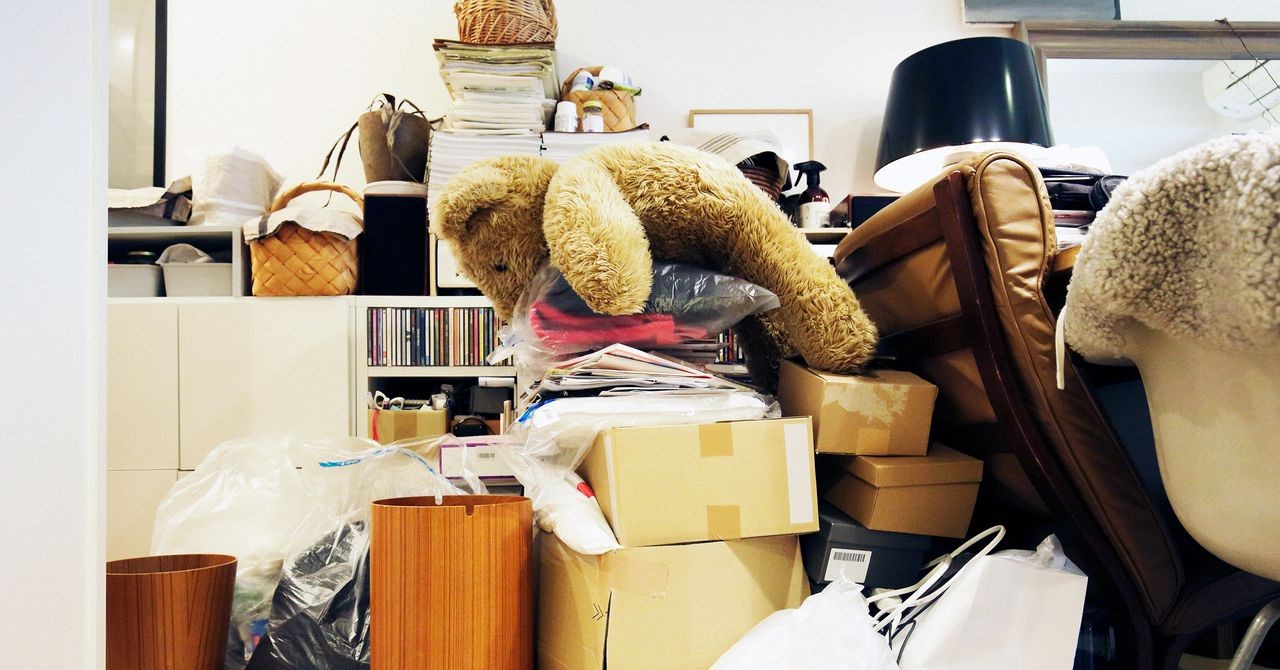
Spring cleaning is often dreaded, but it doesn’t have to be overwhelming. The key is breaking down the process into manageable steps. This guide provides a streamlined approach to decluttering and deep cleaning, helping you reclaim your space without feeling paralyzed by the task.
Understanding the Two Parts: Decluttering and Cleaning
Many people conflate spring cleaning with simply tidying up, but it’s actually two distinct processes: decluttering (removing unwanted items) and deep cleaning (thoroughly cleaning what remains). Attempting both simultaneously leads to overwhelm. This guide prioritizes decluttering first, as it simplifies the cleaning stage.
Breaking Down the Space
The biggest obstacle to spring cleaning is the scope. Tackle it by dividing your home into smaller, defined areas. Treat each room, closet, or storage space as a separate project. For larger areas like garages, further subdivide them (e.g., “front half,” “left side”) to make the task less daunting. The goal is to transform the vague idea of “spring clean my home” into a specific, actionable item: “declutter the back half of my basement.”
The Decluttering Process: Methods That Work
Decluttering is the harder part. It requires making difficult decisions about what to keep and what to discard. Here are three strategies:
- The KonMari Method: Empty an entire space (closet, drawer, etc.) and hold each item. Ask yourself if it “sparks joy.” If not, place it in a “not keep” pile. A third “unsure” pile can reduce decision fatigue. Box up the “unsure” items, date them, and revisit them next year. If you haven’t needed anything from the box by then, it’s time to let it go.
- Hanger Trick: Turn all hangers backward. After wearing an item, switch the hanger the right way. After six months, eliminate clothes that remain backward.
- Legacy Planning: Consider what will happen to your possessions after you’re gone. Label heirlooms or document who should inherit them to avoid future burdens.
Disposing of Unwanted Items: Options for Every Need
Once you’ve decluttered, the next step is disposal. Here are the most effective methods:
- Selling: The most profitable option, but also the most time-consuming. Platforms like Nextdoor, eBay, Craigslist, and Facebook Marketplace are ideal. For electronics, Swappa and Gazelle offer reliable resale options.
- Donating: A tax-deductible option with minimal effort. Check for local thrift stores or charities with pickup services (Goodwill, Salvation Army). Always request a receipt for tax purposes.
- Giving Away: Ask around in your community or social circles. Someone may need what you’re discarding.
- Recycling: Recycling varies by location and item type. Manufacturers (Apple, Samsung) often have take-back programs. Best Buy and Staples recycle electronics. Search online for specialized recycling groups (e.g., for shoes, textiles).
- Trashing: The last resort. If an item is truly unusable, dispose of it responsibly.
Deep Cleaning: A Straightforward Approach
Deep cleaning is simpler than decluttering. Focus on thoroughness rather than complexity. Use existing supplies (dish soap, sponges, cloths, vacuum) instead of expensive specialty products. The key is realistic time estimation – double your initial estimate to avoid rushing and ensure a proper clean.
Spring cleaning doesn’t need to be a mental barrier. By breaking down the task, prioritizing decluttering, and utilizing effective disposal methods, you can reclaim your space and enjoy a cleaner, more organized home.