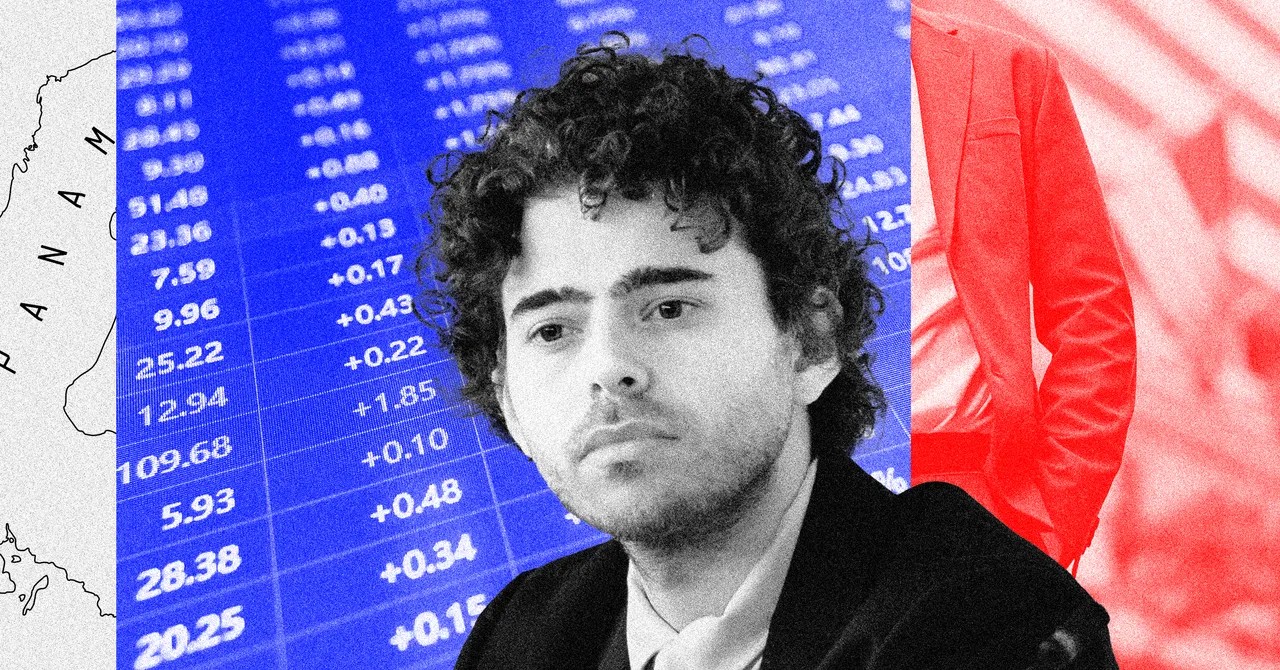
Всё началось с破门. Агенты ФБР выломали дверь офиса генерального директора Шейна Коплана. Затем последовали обвинения во внутреннем торговле. Появился «гuy из Google», человек из спецопераций. Инфлюенсеры, получавшие выплаты с личных счетов PayPal. Об этом писала вся пресса. Да, это было безумие. Но пока все были ослеплены драмой, на свет всплыла другая, более тихая и странная загадка. На которую никто не обращал внимания, пока не наступило настоящее.
Где находятся сотрудники?
Зачем Polymarket создала Adventure One QSS
В 2022 году регуляторы сказали: хватит. Polymarket была нелегальной биржей деривативов. Комиссия по торговле товарными фьючерсами (CFTC) оштрафовала Blockratize, ключевую структуру за платформой, на 1,4 миллиона долларов. Указание было простым: закройте деятельность. Прекратите нарушать Закон о товарных биржах (CEA). Прекратите принимать деньги от клиентов из США.
И что они сделали?
Они переехали. Или, вернее, заявили, что переехали. На сцену выходит Adventure One QSS. Зарегистрирована в Панаме в 2021 году. Официально базируется офшорно. Её задача — взять на себя операционное управление основной платформой Polymarket. Другая компания, Polymarket US (под надзором QCX LLC), запущена в 2025 году. Это единственное подразделение, имеющее законное право снова обслуживать американцев.
Но вот в чём загвоздка. Люди, управляющие Adventure One QSS, не находились в Панаме. Они были в Нью-Йорке.
«Нам бы очень хотелось узнать, что люди, якобы находящиеся в Панаме, на самом деле не в Панаме», — сказал один из бывших юристов CFTC.
WIRED погрузился в расследование. Доказательства указывают на фрагментированную реальность. Сотрудники, числящиеся в панамской структуре, работали из Манхэттена. Некоторые жили в Нью-Йорке. Никто из них не летал в Центральную Америку. Никто не отчитывался перед боссами из Панамы. Потому что таких боссов не существовало. У панамского филиала не было местных коллег. Только бумажный след.
Соблюдала ли Adventure One QSS условия соглашения о урегулировании?
Это важно. Не потому что это красиво, а потому что это может означать нарушение сделки. Соглашение 2022 года было не просто предупреждением. Оно требовало соблюдения Закона о товарных биржах (CEA). Бывшие сотрудники описывают рабочее место, где границы стирались мгновенно. Между корпоративными подразделениями «не было барьеров». Те, кто писал код или настраивал контракты на события для офшорной платформы? Они числились в Adventure One QSS на бумаге. Они сидели рядом с командой Blockratize. Большая команда, ориентированная на США, занималась маркетингом и лицензированной американской платформой.
Никто не был уверен, зачем всё было организовано именно так.
Панама популярна, очевидно. Низкие налоги. Высокая конфиденциальность. Легко зарегистрироваться. Но Polymarket выбрала Панаму не только ради налоговых льгот. Они выбрали её для соответствия требованиям. По крайней мере, так планировалось.
Джозеф Коницески, бывший главный судебный адвокат CFTC, объясняет, как должно было выглядеть урегулирование. Найм офшорных сотрудников. Перенос инфраструктуры офшорно. Остановка финансирования из США. Вот стандартная практика. Polymarket, по слухам, нанимала офшорные структуры, оставляя людей оншорно (в США).
Было ли это законно? Возможно. Тодд Филлипс, эксперт по регулированию, назвал такую схему странной. Он признал, что она может не нарушать букву закона, но определённо вызвала подозрения.
CFTC ещё не предъявила им никаких обвинений. Но это не значит, что такая структура выдержит проверку.
Изменила ли CFTC свою позицию по рынку прогнозов?
Давайте посмотрим на историю. Регуляторы ненавидят такие вещи. Они преследовали компании вроде WorldWideMarkets, которые утверждали, что находятся на Британских Виргинских островах, но фактически действовали из Нью-Джерси. Они пошли по следу Binance. Они обвинили Чанпэнга Чжао в управлении нелегальной биржей цифровых деривативов и несоблюдении протоколов противодействия отмыванию денег. Чжао признал вину. Крупное урегулирование.
Но мир меняется быстро. Особенно в политике.
В 2025 году ландшафт изменился. Дональд Трамп помиловал Чжао. Настроения в агентстве сместились от агрессивного принуждения к исполнению законов к… дружелюбию. К маю 2025 года письмо сотрудников CFTC сигналило о новом подходе к правилам иностранных фьючерсов и свопов. Затем, в июле 2025 года, они полностью закрыли расследование против Polymarket. Без обвинений. Без шуму.
Intercontinental Exchange даже кинула спасательный круг на сумму 2 миллиарда долларов. Технически — в адрес Blockratize. Не Adventure One QSS. Это различие важно для юристов, но менее важно для работников, которые просто хотят знать, за каким столом сидеть.
Так что у нас осталась компания, которая выплатила штраф, чтобы переехать офшорно. А потом осталась оншорно. И правительство решило не смотреть слишком пристально. Почему? Это лазейка? Или регулирование рынков прогнозов просто слишком сложно для текущих стратегий правоприменения?
Похоже, у ninguém нет окончательного ответа. Есть только фирма-однодневка, сотрудники из Нью-Йорка и множество неотвеченных вопросов, висящих в воздухе.