The line between reality and fabrication is blurring at an alarming rate, as demonstrated by two recent events: the rapid spread of hyperrealistic AI-generated videos and the political fallout from authentic, yet damaging, real-world footage. Both cases highlight a growing crisis of trust in visual media.
The Rise of AI-Generated Deception
Rauiri Robinson, a visual effects artist, recently published AI-generated videos on X depicting Tom Cruise and Brad Pitt in a fictional brawl over Jeffrey Epstein. These clips, created using ByteDance’s Seedance 2.0 AI tool, were disturbingly realistic. The ease with which this was accomplished has sent shockwaves through Hollywood, with screenwriters like Rhett Reese openly questioning the future viability of their profession.
This isn’t just about entertainment. The ability to create convincing deepfakes with minimal effort poses a threat to public discourse, political stability, and even national security. The implications are staggering: fabricated events can manipulate public opinion, incite violence, or ruin reputations with unprecedented speed.
Real-World Footage, Real-World Consequences
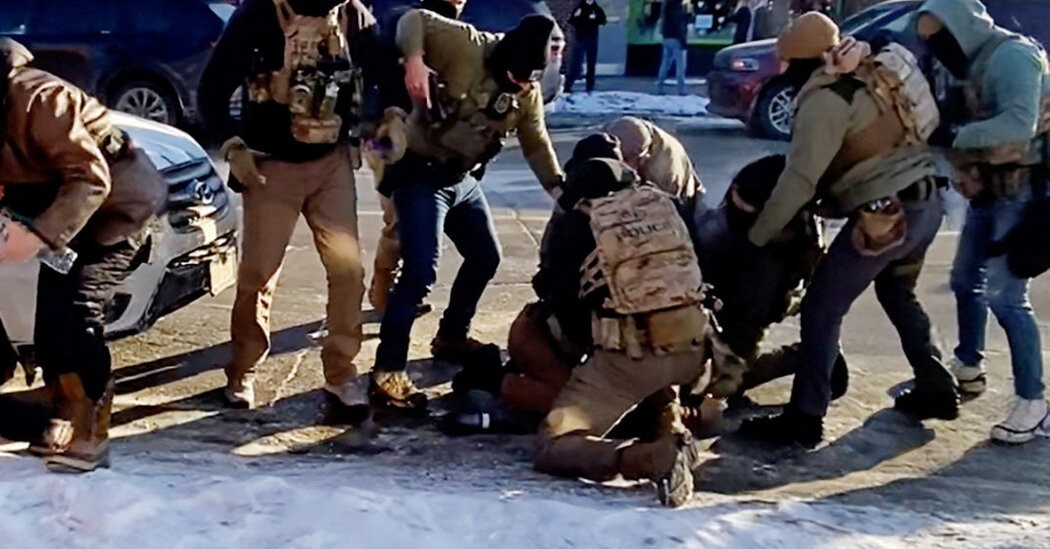
Meanwhile, authentic video footage of federal immigration agents fatally shooting Minneapolis residents led to a swift reversal of a planned operation in Minnesota. Despite officials claiming the operation was successful, the withdrawal suggests political pressure forced by bystanders’ recordings.
This highlights a different side of the same coin: even genuine footage can be weaponized. The immediacy of smartphone cameras and social media ensures that actions, especially those involving law enforcement or government agencies, are now subject to instant public scrutiny.
The New Reality
These two cases illustrate a pivotal shift in how information is consumed and trusted. AI-generated videos expose the ease with which reality can be faked, while real-world footage demonstrates how quickly authentic events can trigger political and social backlash.
The result is a world where skepticism is paramount, verification is critical, and the very notion of “seeing is believing” is under siege. The future of truth will depend on our collective ability to adapt to this new, deeply uncertain landscape.