Четвер змінює все.
Двопартійна поправка з’явилася під час обговорень у комітеті Палати представників. Вона спрямована проти камер. А саме тих, які автоматично зчитують державні реєстраційні знаки.
Правило просте. Чи немає федеральних грошей на дороги? Тоді немає права використовувати системи автоматичного зчитування номерів (ALPR) для будь-яких цілей, крім стягування платних дорожніх зборів. Крапка. Якщо ви хочете отримати мільярди, призначені для ремонту та будівництва доріг, вам доведеться відмовитись від мережі спостереження.
Ініціатором виправлення виступив конгресмен Скотт Перрі. Він республіканець і член Коаліції свободи. Поруч із ним — конгресмен Хесус Гарсія, прогресист із Іллінойсу. Два протилежні полюси політичного спектру. Але один загальний неспокій щодо захисту приватності.
Жоден із їхніх офісів не відповів на дзвінки. Це характерно.
Одержувач допомоги в рамках розділу 23 Кодексу законів США не може використовувати автоматичні зчитувачі номерів виключно з метою стягування дорожніх зборів.
Усього одна пропозиція. Масштаби наслідків? Величезні. Розділ 23 фінансує близько чверті всіх публічних миль доріг у країні. Він торкається штатних магістралей, окружних артерій, міських вулиць. Майже кожна юрисдикція, яка отримує федеральні кошти. Майже всі вони. Будуть змушені вимкнути систему. Або перебудувати її роботу виключно під потреби платних доріг.
Це не теорія. Погляньте на Іллінойс.
Секретар штату Олекси Джаннуол провів аудит. Він з’ясував, що компанія Flock Group порушує закони штату. Flock керує найбільшою мережею ALPR. Штаб-квартира знаходиться в Атланті. Вони передавали дані з номерів іллінойських автомобілів Службі митного та прикордонного контролю.
Джаннуол наказав їм припинити передачу даних.
Flock заявив, що припинить пілотні програми по всій країні. Їхній генеральний директор Гарретт Ленглі раніше стверджував, що публічні заперечення таких угод були лише випадковими помилками. Незручно. Flock також не відповів на дзвінки.
Чому це важливо?
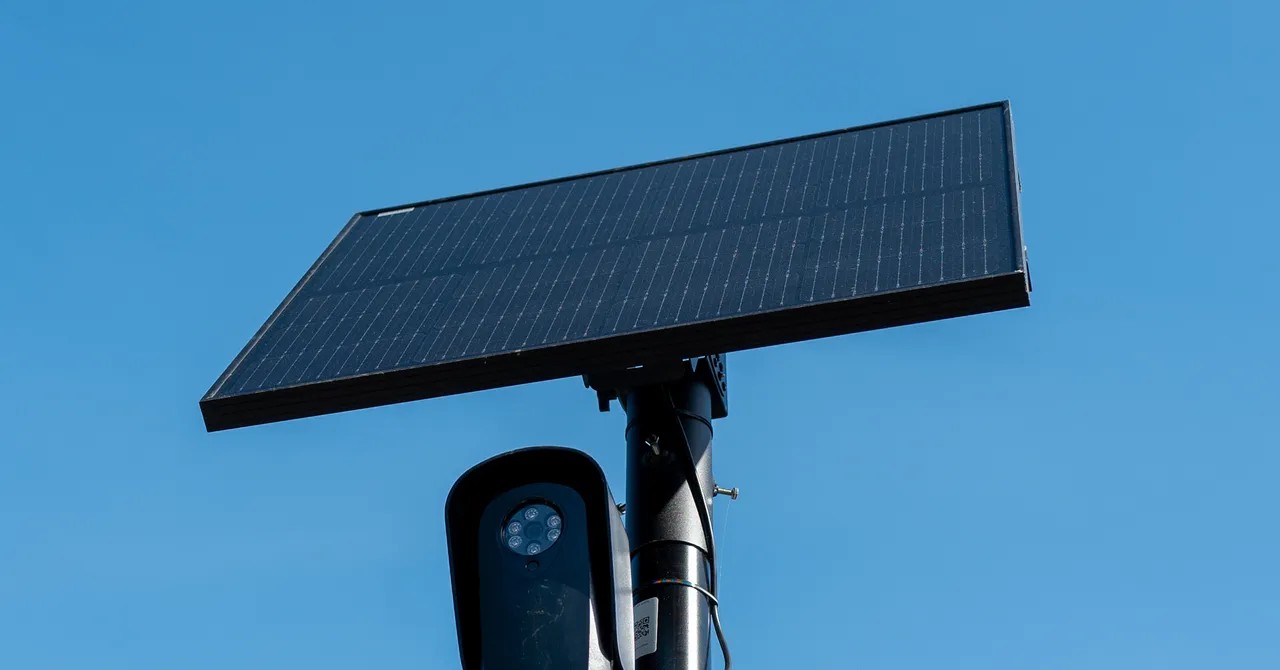
Камери ALPR встановлені на стовпах, естакадах, патрульних автомобілях. Вони роблять знімки. Фіксують час. Координати. Дані стікаються у пошукові бази. Доступні різним відомствам. У різних юрисдикціях. Це тихо. Це повсюдно.
Борці за приватність про це кричали роками. Це фактично відстеження без ордера. Про це повідомляв Центр Бреннана при Нью-Йоркському університеті. Так і є Фонд електронних рубежів (EFF). Поліція поєднує ці дані з моніторингом соцмереж. З іншими інструментами стеження.
Ось приклад із шерифом-помічником із Техасу. Судові документи потрапили до рук виданню 404 Media. Він запросив дані у базі Flock, що налічує 88 тисяч камер. Щоб відстежити жінку. Його причина? Вона зробила аборт.
Хаджар Хаммадо з організації Demand Progress не приховує своїх думок.
Камери Flock легко піддаються зловживанням… Країна перетворилася на антиутопію масового стеження.
Вона вважає цю поправку питанням здорового глузду. Багато міст уже заборонили цю технологію. Вони не могли забезпечити безпеку даних.
А тепер Сан-Хосе.
Інститут правосуддя подав на них до суду у квітні. Колективний позов. У скарзі стверджувалося, що 474 камери порушили права, гарантовані четвертою поправкою. База даних зібрала 360 мільйонів знімків у 2024 році. Поліція проводила 15 000 запитів? Ні. На день. Наприкінці 2025 року.
Місто ще не дало істотної відповіді.
Мер Метт Махан любить камери. Він також зазначений у числі відповідачів. У листопаді минулого року EFF та ACLU подали на нього окремий позов.
Суди не допомогли. Вони вагаються. Деякі судді кажуть, що люди не мають очікування приватності на вулиці. Але ж право змінюється. Звіт Служби досліджень Конгресу зазначив, що суди виявляють обережність. Один суддя натякнув, що зміни можуть відбутися невдовзі. Технології розвиваються швидко. Закони відстають.
Ця поправка повністю уникає судових розглядів. Вона використовує гаманець. Як закони про мінімальний вік вживання алкоголю. Як стандарти для затримання за водіння у нетверезому стані.
Штати можуть відмовитись від грошей.
Вони зазвичай не відмовляються.
Отже, що станеться у четвер? Камери згаснуть. Або почнеться знову розмова про те, де їм саме місце. 🛑