The conflict in Gaza has not only claimed lives but has also created a silent, devastating crisis: the disappearance of thousands. Unlike conventional warfare where forensic systems eventually identify the dead, Gaza has become a place where people vanish without trace, leaving families trapped in perpetual uncertainty. This isn’t merely a consequence of war; it’s a systematic denial of basic humanitarian tools for accountability.
The Search for Hassan: A Personal Tragedy
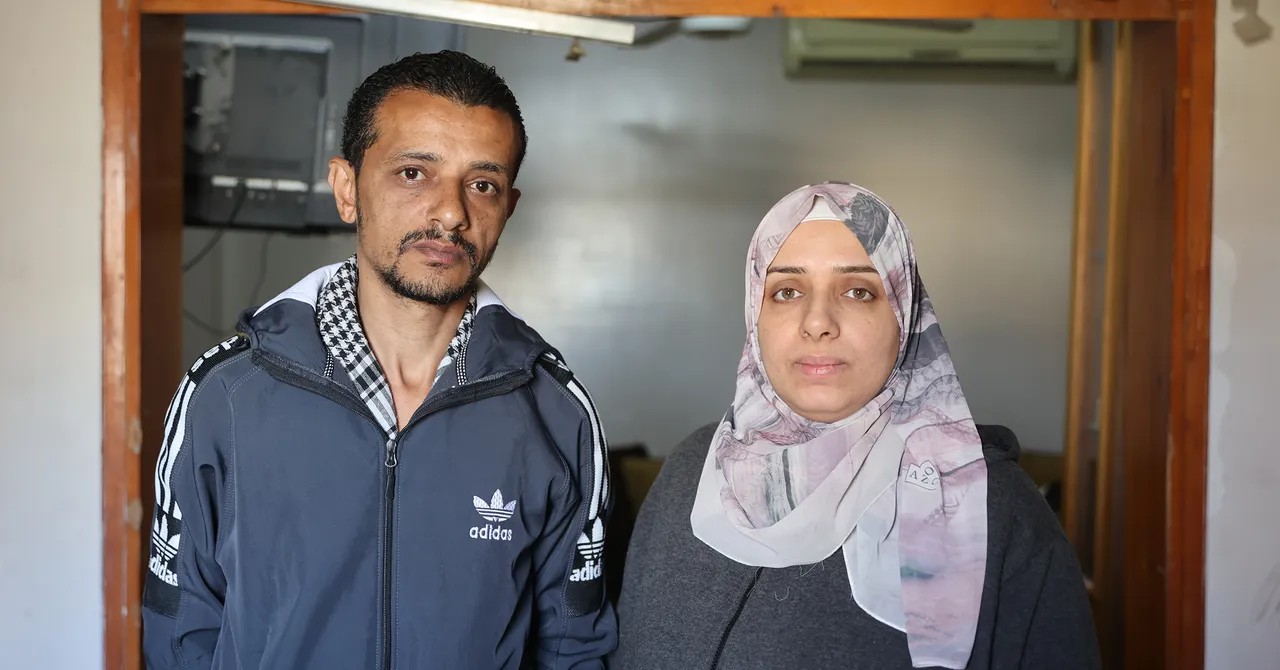
Abeer Skaik’s story encapsulates this crisis. Her 16-year-old son, Hassan, autistic and deeply attached to routine, rode off on his bicycle one afternoon and never returned. His disappearance isn’t an isolated incident; it’s part of a pattern where the fate of missing individuals remains unresolved, lost in a chaotic landscape of conflict. The family’s desperate search – flyers, social media pleas, contacting news outlets – reflects the helplessness felt by countless Gazan families.
The Breakdown of Forensic Systems
The root of the problem lies in Israel’s systematic blockade of Gaza since 2007. Essential forensic tools – toxicology testing, genetic analysis, DNA scanners – are classified as “dual use” items and restricted, effectively denying Gaza the means to identify its dead. This isn’t accidental. The blockade has crippled Gaza’s ability to maintain even basic documentation systems, leaving bodies buried without proper biological sampling, and mass graves unmarked.
The Numbers Game
Estimates of the missing range wildly. The Gaza Health Ministry claims over 9,500, the Palestinian Center for the Missing suggests around 9,000, while the ICRC has received 11,500 tracing requests. A recent poll by the Institute for Social and Economic Progress (ISEP) estimates a staggering 14,000 to 15,000 missing out of Gaza’s total population of 2 million. These numbers are likely incomplete, but the scale of the crisis is undeniable.
The Cost of Uncertainty
For families like Abeer’s, the lack of closure is a torment. Hassan is not confirmed dead, not confirmed alive, not even officially acknowledged as detained. His existence is reduced to a photograph, a fading memory. This is the purgatory many Gazan families now inhabit. Even amidst constant bombings, they relentlessly search rubble, shelters, hospitals, questioning anyone who might have seen a trace of their loved ones.
The Forensic Desert
Gaza has become a “forensic desert” – a territory systematically denied the tools to name its dead. Bodies arrive at Al-Shifa hospital in horrific conditions, often beyond recognition. The forensic chief, Khalil Hamada, describes the daily collapse of hope as families desperately search for fragments of identity in a system designed to fail them.
The International Response
While modern conflicts typically see forensic identification systems deployed, Gaza remains an exception. The Geneva Convention mandates access for the ICRC to prisoners, yet Israel has repeatedly barred it. The denial of basic forensic infrastructure isn’t simply collateral damage; it’s a deliberate obstruction of accountability.
Conclusion
The crisis of the missing in Gaza is a humanitarian tragedy unfolding in the shadows of war. The systematic denial of forensic tools, combined with the scale of destruction, has created a situation where thousands vanish without resolution. This is not an unavoidable consequence of conflict; it’s a deliberate erosion of accountability, leaving families trapped in a perpetual state of loss and uncertainty. The world must demand an end to this silent crisis and ensure Gaza has the means to identify its dead and seek justice for its missing.