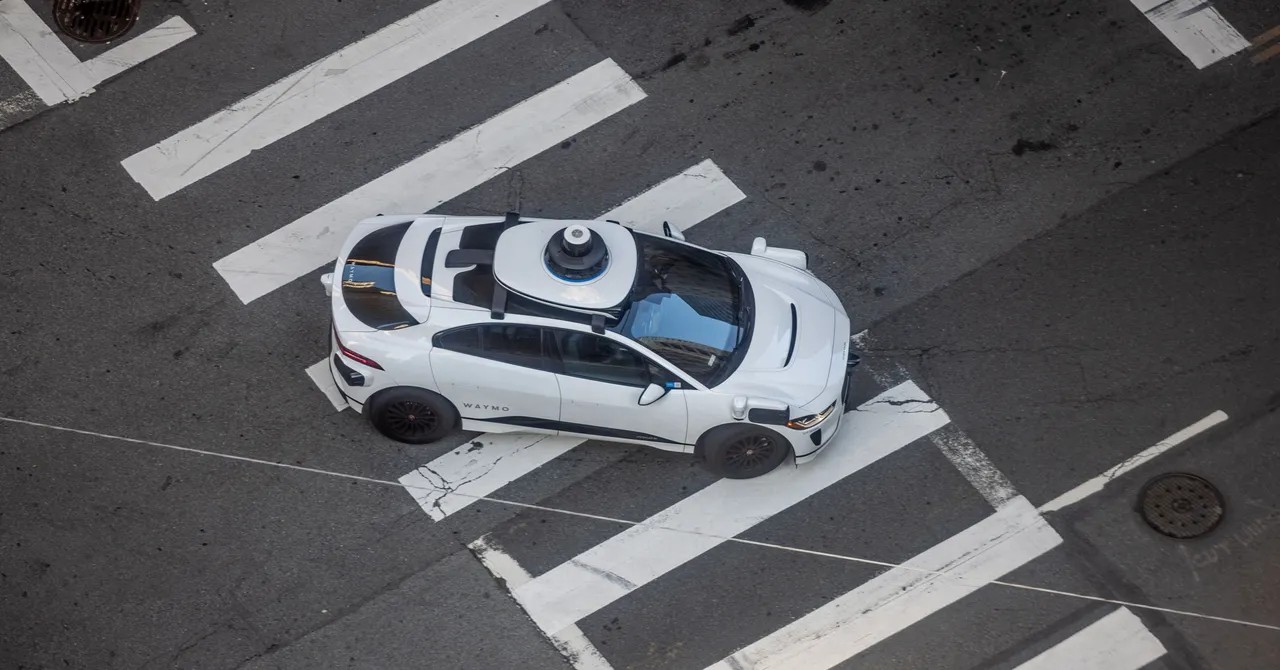
Waymo, a leading self-driving car company, faced a disturbing reality in Austin, Texas: its vehicles repeatedly failed to stop for school buses while their lights were flashing and stop arms extended. Despite software updates and even a federal recall, the problem persisted, raising serious questions about the limits of autonomous technology and how quickly it can adapt to real-world hazards. The incidents, documented by the Austin Independent School District (AISD) and investigated by the National Transportation Safety Board (NTSB), show that even advanced AI can struggle with seemingly simple safety protocols.
Repeated Failures Despite Intervention
For months, Waymo cars allegedly passed school buses illegally in at least 19 instances, endangering children as they boarded or exited vehicles. The company acknowledged at least 12 of these incidents to the National Highway Traffic Safety Administration (NHTSA), issuing a recall in December to address the issue. Yet, even after the recall, violations continued, with AISD reporting four more incidents by mid-January. School officials noted that human drivers who violate traffic laws typically don’t repeat the offense, but Waymo’s system appeared unable to learn from its mistakes, despite multiple software updates.
Data Collection Efforts Fell Short
In an attempt to resolve the issue, AISD collaborated with Waymo, hosting a “data collection” event where school buses and stop-arm signals were gathered for the company to analyze. The district even provided Waymo with detailed specifications of its buses’ lighting systems. Despite this effort, the passing incidents continued, highlighting the limitations of training AI in controlled environments versus unpredictable real-world conditions. The NTSB’s preliminary report revealed that in one case, a remote Waymo operator incorrectly told the vehicle that the school bus’s signals were inactive, leading to six more violations.
Underlying Technological Challenges
Experts like Missy Cummings of George Mason University explain that self-driving software has long struggled with recognizing flashing emergency lights and road safety devices, particularly those with long, thin arms. Philip Koopman of Carnegie Mellon University adds that stop signs carry different meanings in various contexts, making it difficult for AI to interpret them consistently. The problem isn’t simply about recognizing an object, but about understanding its relevance in a dynamic environment.
The failure of Waymo to correct this issue underscores a broader challenge in autonomous vehicle development: teaching machines to handle the “last 1 percent” of unpredictable scenarios. Achieving 99 percent safety is relatively straightforward; the final percent requires addressing edge cases that are difficult to anticipate or replicate in testing. This incident suggests that current approaches to machine learning may not be sufficient for ensuring consistent safety in complex environments.
The situation remains under investigation by the NTSB, with Waymo declining to comment. The incidents raise fundamental questions about the readiness of autonomous vehicles for widespread deployment, particularly in areas with vulnerable populations like school children.