The landscape of modern conflict is shifting from physical battlefields to the digital veins of critical infrastructure. Recent reports indicate a coordinated and escalating surge in cyber activities linked to Iranian state actors, targeting everything from US energy grids and water systems to global technology giants and medical facilities.
The Escalation of State-Sponsored “Hacktivism”
A recurring theme in recent breaches is the use of “hacktivism” —the practice of using hacking for political or social causes—as a strategic veil. The group known as ‘Handala’ has become a primary example of this tactic. While their actions often appear as chaotic, retaliatory strikes, they serve as a sophisticated cover for organized, state-sponsored cyberattacks directed by Iran.
This tactic allows state actors to maintain a degree of plausible deniability while inflicting significant disruption on their adversaries.
Critical Infrastructure Under Fire
The scope of these attacks has moved beyond mere data theft, moving into the realm of physical sabotage and systemic disruption :
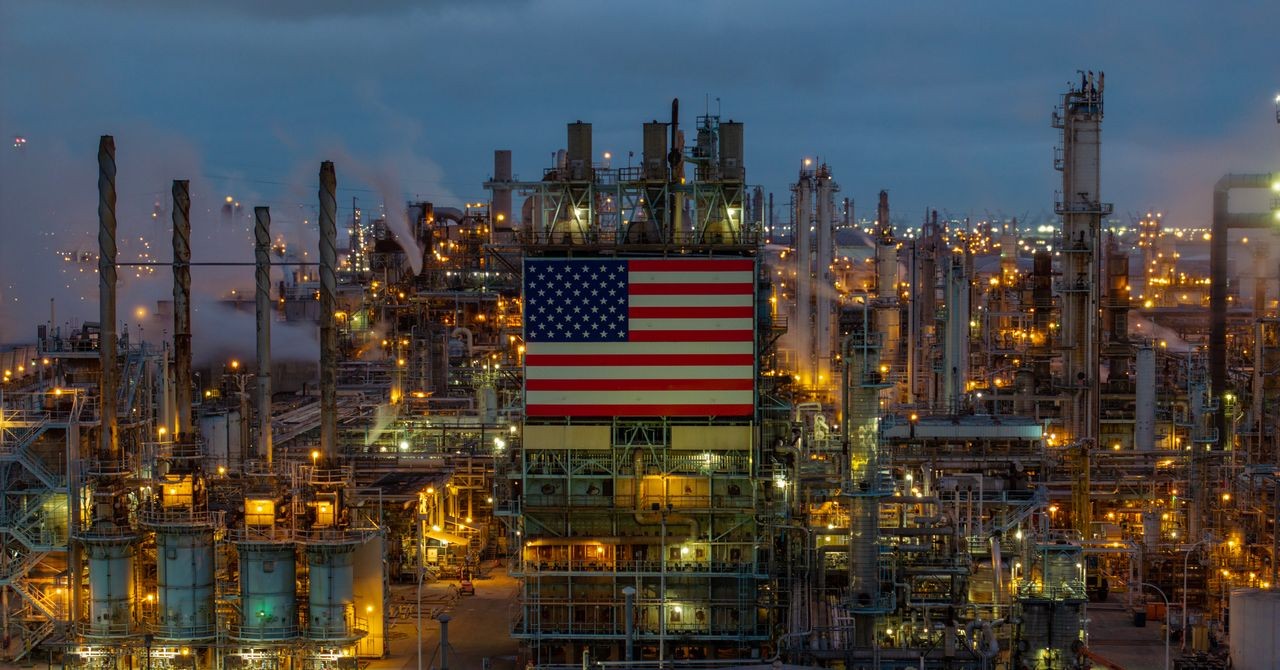
- US Energy and Water: Hackers linked to Iran have targeted US energy and water infrastructure, posing a direct threat to public safety and essential services.
- Medical Disruptions: In Maryland, Iranian hackers disrupted medical care at hospitals, and a breach at the medical tech firm Stryker demonstrated how vulnerabilities in healthcare technology can paralyze vital services.
- The Nuclear Risk: As tensions rise around Iranian nuclear facilities, experts warn that the primary danger isn’t just physical strikes, but the potential failure of critical safety systems due to cyber interference—a failure that could have catastrophic regional consequences.
- Water Security in the Gulf: While the Gulf’s desalination systems are designed with layers of redundancy, they remain vulnerable to sustained, high-level cyber interference that could threaten water security.
The Tech Industry as a Battlefield
The digital conflict is increasingly targeting the architects of the modern internet. Iranian media and the Islamic Revolutionary Guard Corps (IRGC) have identified major US tech firms—including Google, Microsoft, Apple, and Palantir —as primary targets.
This trend highlights a shift in warfare: instead of attacking a government directly, attackers target the supply chain and the digital tools that governments and citizens rely on daily.
Vulnerabilities in the AI and Data Ecosystem
The cybersecurity threat is also evolving alongside emerging technologies:
- AI Training Data: A recent security incident at Mercor, a major data vendor, has prompted investigations by leading AI labs. The breach potentially exposed sensitive data regarding how AI models are trained, marking a new frontier in corporate espionage.
- Supply Chain Attacks: The theft of Cisco source code and the compromise of FBI wiretap tools underscore the extreme danger of supply chain hacking, where attackers compromise a single vendor to gain access to thousands of downstream users.
Summary of Recent Cyber Incidents
| Target Category | Key Incident/Trend | Impact/Risk |
|---|---|---|
| Government/Intelligence | Breach of Kash Patel’s email; FBI wiretap tool hack | National security risks and exposure of sensitive data |
| Healthcare | Stryker breach; Maryland hospital disruptions | Disruption of patient care and medical tech integrity |
| Big Tech | Threats against Apple, Google, Microsoft | Potential for widespread service disruption |
| AI Industry | Mercor data breach | Exposure of proprietary AI training methodologies |
The takeaway: Cyber warfare is no longer just about stealing information; it is increasingly about disrupting the physical systems—water, power, and medicine—that sustain modern society.
Conclusion: The transition of Iranian cyber operations from mere espionage to the targeting of critical infrastructure and global tech giants marks a significant escalation in digital warfare. This trend poses a systemic risk to both national security and the fundamental stability of essential public services.