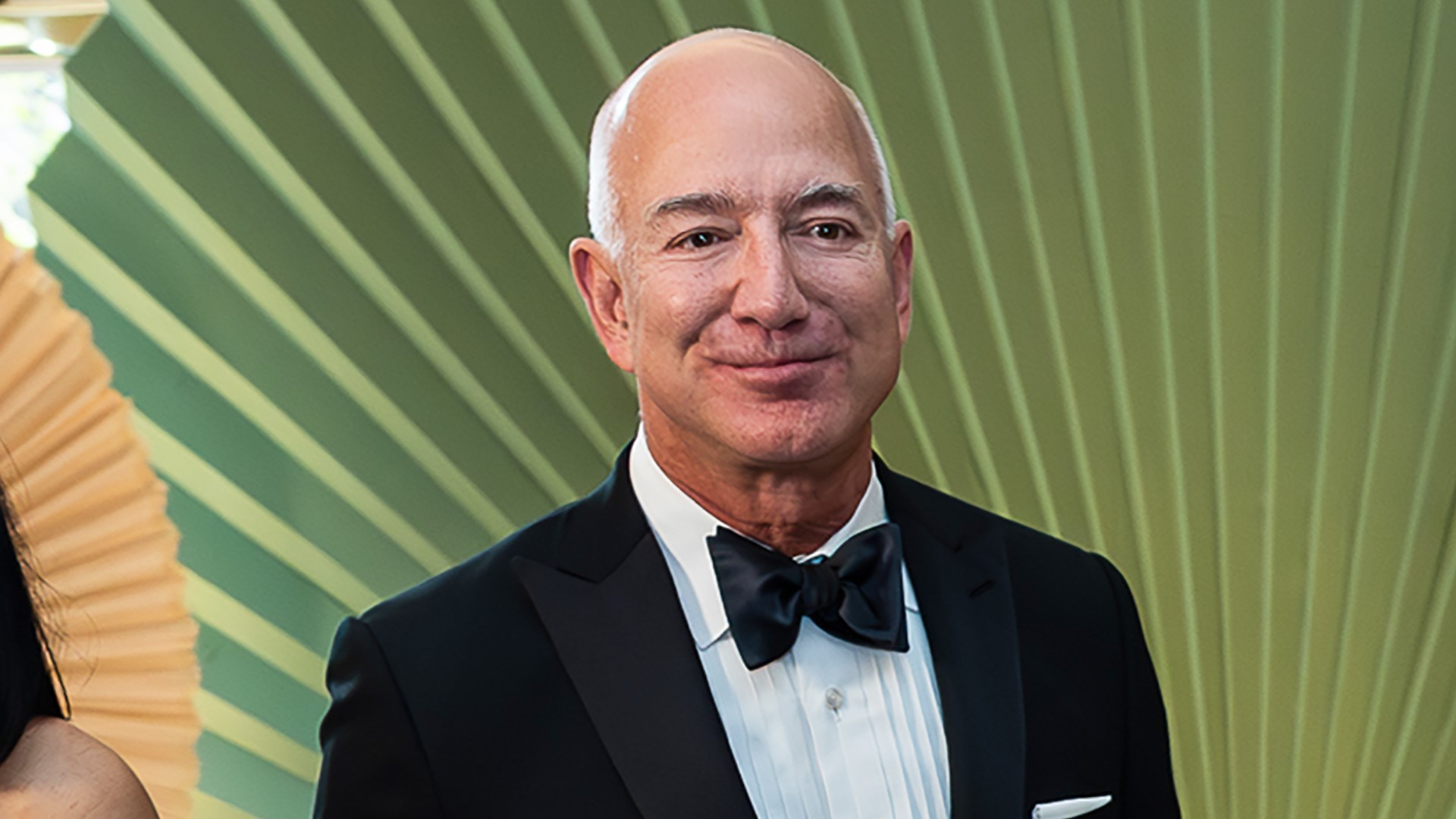
While most taxpayers focus on small deductions and credits to lower their annual bills, the world’s wealthiest individuals operate on a much larger scale. A recent report highlights a massive financial maneuver by Amazon founder Jeff Bezos: by simply changing his state of residence, he effectively eliminated a nearly $1 billion tax liability.
The Strategy: From Washington to Florida
The mechanism behind this massive saving was not a complex legal loophole or a hidden offshore account, but rather a change in geography. Bezos relocated from Seattle, Washington, to Indian Creek Village, Florida—a community often referred to as the “Billionaires’ Bunker.”
The financial logic is straightforward and rooted in state-level tax policy:
- Washington State: Implements a 7% tax on capital gains.
- Florida: Maintains no state income tax and no capital gains tax.
The Math Behind the Move
The scale of the savings becomes clear when examining Bezos’s recent financial activity. Since moving to Florida, Bezos has sold approximately $13.6 billion worth of Amazon stock.
The impact of his location is stark when comparing the two scenarios:
– If he had remained in Washington: The 7% capital gains tax would have cost him roughly $952 million.
– By living in Florida: His state tax bill on those specific sales was $0.
While Bezos has publicly cited a desire to be closer to his aging parents as the primary motivation for the move, the financial implications are impossible to ignore.
Why This Matters: The Trend of “Tax Migration”
This move is part of a broader economic trend known as tax migration, where high-net-worth individuals move from high-tax jurisdictions to states with more favorable fiscal policies. This phenomenon raises several important questions for policymakers and the public:
- Revenue Loss: When the wealthiest residents leave, states like Washington lose significant tax revenue that is often used to fund public infrastructure, education, and social services.
- Competitive Federalism: States are increasingly competing with one another to attract wealthy residents by lowering tax burdens, creating a “race to the bottom” in some economic models.
- Wealth Inequality: The ability to avoid nearly a billion dollars in taxes through relocation is a privilege largely unavailable to the average worker, who cannot simply move states to escape income tax.
This relocation demonstrates how state-level tax policy can act as a powerful lever, influencing where the world’s most influential people choose to live and invest.
Conclusion
Jeff Bezos’s move from Washington to Florida illustrates how strategic residency changes can result in massive tax savings for the ultra-wealthy. This shift highlights the growing tension between state tax revenues and the mobility of global capital.