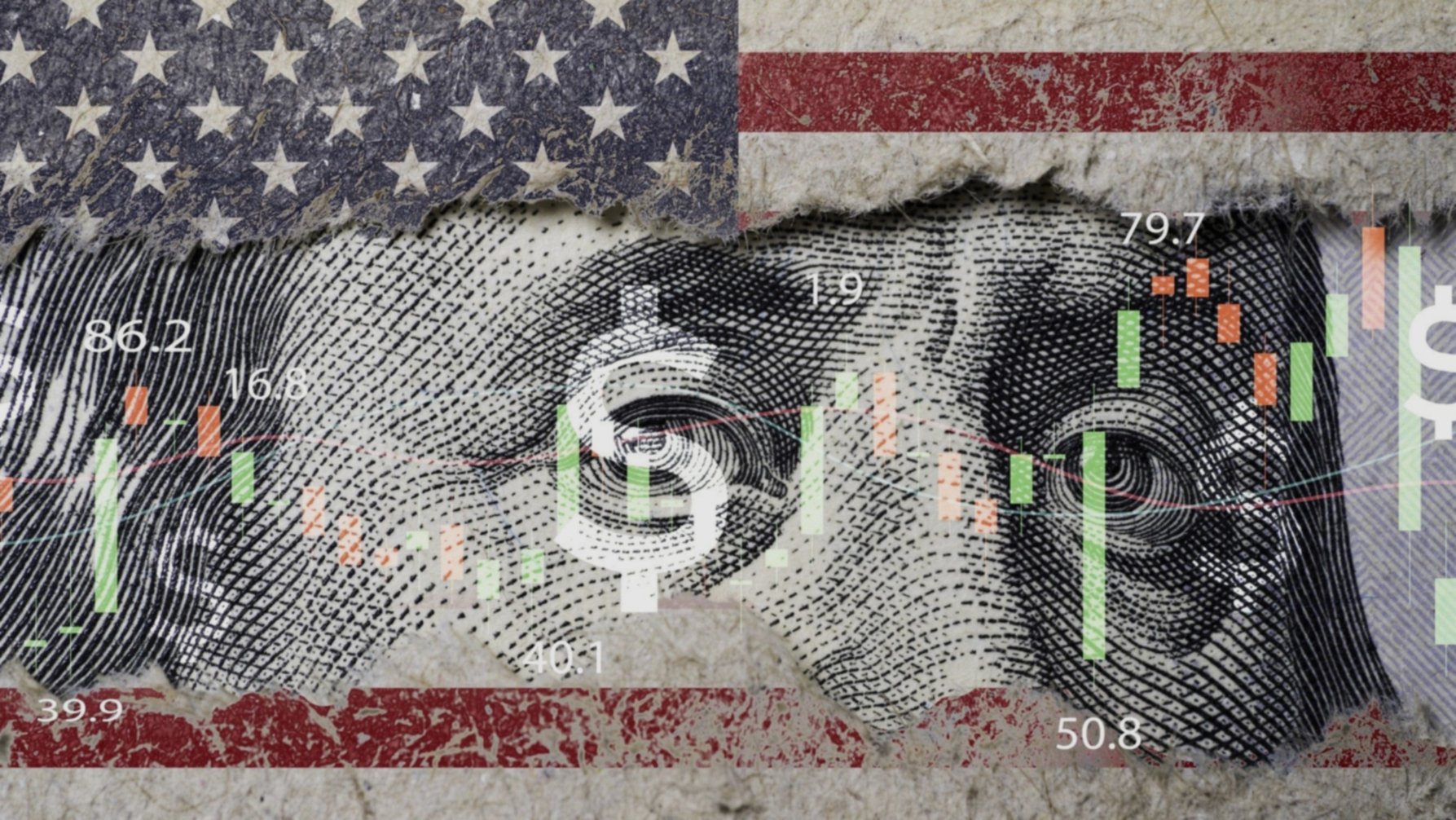
Donald Trump’s second term began with a volatile market environment in early 2025, marked by initial declines due to aggressive tariff policies followed by a rebound as those policies were scaled back. Looking ahead to 2026, three key areas – Federal Reserve policy, geopolitical interventions, and trade tariffs – will significantly shape stock market performance.
Federal Reserve Policy & Political Pressure
Trump has consistently pressured the Federal Reserve to lower interest rates, openly criticizing Chairman Jerome Powell’s perceived reluctance to do so. The situation escalated when the Justice Department initiated a criminal investigation into Powell, ostensibly over a $2.5 billion renovation project at the Fed headquarters. While some suspect this move aims to replace Powell with a more compliant chair, the market reaction has been muted, likely due to the uncertain outcome of the investigation. The ongoing tension between the administration and the central bank creates volatility, as investors remain sensitive to any shifts in monetary policy.
Geopolitical Risk: Venezuela and Beyond
The Trump administration’s interventionist foreign policy, exemplified by the military invasion of Venezuela to capture Nicolás Maduro, has surprisingly boosted stock markets. The stated intention to seize control of Venezuela’s oil reserves, coupled with pressure on U.S. energy companies (Chevron, ExxonMobil, ConocoPhillips) to invest heavily in rebuilding the country’s infrastructure, drove gains in energy, defense, and AI sectors.
However, experts like Scott Galloway caution that Venezuela’s oil production capacity is severely limited due to collapsed infrastructure and heavy crude requiring extensive refining. The “Donroe Doctrine” – Trump’s vision of expanded American influence – raises further questions, with hints of potential actions involving Greenland and Colombia. These geopolitical risks, while initially shrugged off by markets, could escalate rapidly.
Trade Wars & Tariff Uncertainty
Tariffs remain a central component of Trump’s economic strategy, intended to rebalance trade and incentivize domestic manufacturing. Initial tariff announcements against major trading partners (China, Canada, Mexico) triggered market sell-offs in April 2025, which only reversed when Trump softened some threats. The full impact of these tariffs is still unfolding. Companies accelerated shipments to avoid increased costs, but this buffer is fading.
The ultimate fate of the tariffs hinges on a pending Supreme Court ruling on Trump’s authority to impose them. This legal battle adds significant uncertainty. Investors must brace for potential disruptions as the full effects of import/export changes begin to materialize.
In conclusion, Trump’s second term will likely continue to deliver unpredictable stock market conditions. The combination of political pressure on the Fed, aggressive foreign policy, and shifting trade dynamics creates a high-risk, high-reward environment where policy shifts and geopolitical events will dictate market performance. Investors should prioritize adaptability and remain vigilant about the interplay between these forces.