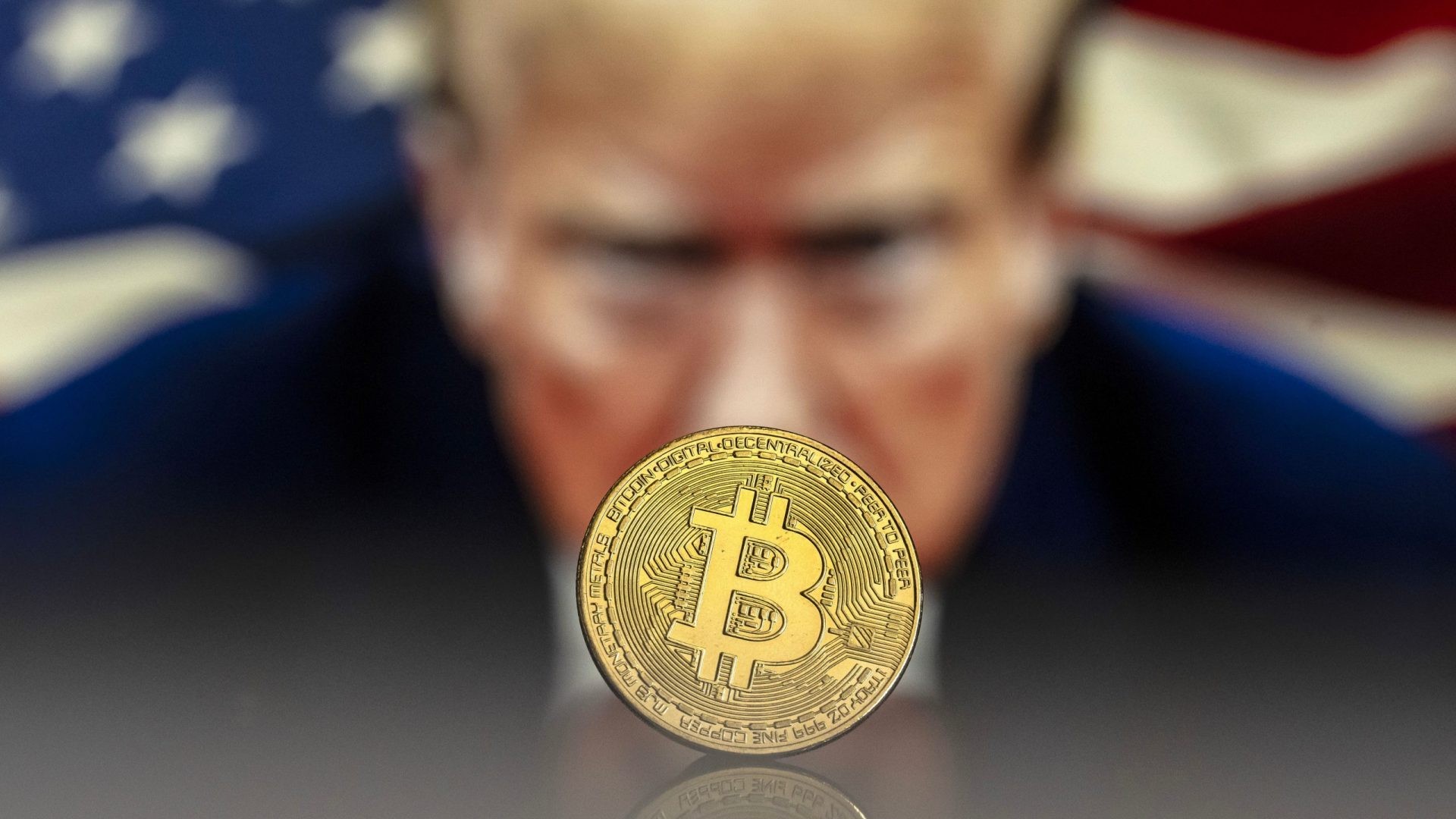
While the prospect of a pro-crypto administration initially signaled a new era of legitimacy for digital assets, many financial experts are now urging caution. As the Trump administration moves to position the United States as a global “crypto capital,” significant concerns regarding market integrity, political conflicts of interest, and the fundamental nature of Bitcoin are coming to the forefront.
The Conflict of Interest Dilemma
The primary concern for many analysts is the blurring line between presidential policy and the personal business interests of the Trump family. With the launch of ventures like World Liberty Financial, the administration’s relationship with the crypto sector has moved from regulatory support to direct involvement.
Experts suggest this creates a high risk of cronyism and market manipulation.
– Regulatory Integrity: Critics point to instances such as the presidential pardon of Binance co-founder Changpeng Zhao as evidence of a potentially compromised regulatory environment.
– Market Vulnerability: Because the cryptocurrency market is still relatively small compared to traditional finance, it is highly susceptible to sudden shifts. Experts warn that the perceived connection between the White House and specific crypto ventures could make the market a target for “bad actors” from nations like China and Russia, who may seek to exploit these political ties to manipulate prices.
Stability and Historical Context
Beyond the political landscape, seasoned financial planners are highlighting the inherent volatility and lack of maturity in the digital asset class.
A Lack of Proven Track Record
Unlike stocks or bonds, which are backed by decades of economic history and established legal frameworks, cryptocurrency remains largely unregulated. Jay Zigmont, Ph.D., a certified financial planner, notes that crypto lacks the “strong history” required to be considered a stable foundational asset.
The “Digital Gold” Myth
For years, Bitcoin has been marketed as “digital gold”—a hedge against inflation and economic instability. However, recent market performance suggests this analogy may be flawed.
– Gold has seen significant gains (up over 60% in recent periods).
– Bitcoin has remained relatively flat, failing to attract the same influx of capital that precious metals have commanded during periods of economic uncertainty.
As noted by Zigmont, echoing the sentiment of Warren Buffett, Bitcoin does not produce anything of inherent value, making it a speculative asset rather than a productive one.
Recommended Investment Strategies
Given these risks, the consensus among the experts interviewed is not necessarily a total ban on crypto, but rather a strict limit on exposure. To protect against sudden market collapses or political volatility, professionals suggest the following:
- Limit Exposure: Do not allow cryptocurrency to exceed 5% to 10% of a total investment portfolio.
- Treat as Speculation: View crypto as a high-risk, speculative venture rather than a core retirement or savings vehicle.
- Prioritize Traditional Assets: Maintain the bulk of wealth in assets with proven histories, such as gold, stocks, or bonds.
“Digital assets are perhaps the most obvious place to look for conflicts of interest that could infect the larger economy.”
Conclusion
While political shifts may offer temporary boosts to crypto sentiment, the combination of potential political cronyism, market vulnerability, and the lack of inherent value makes Bitcoin a high-risk asset. Investors are advised to maintain minimal exposure to protect themselves from the volatility of an evolving and politically charged market.