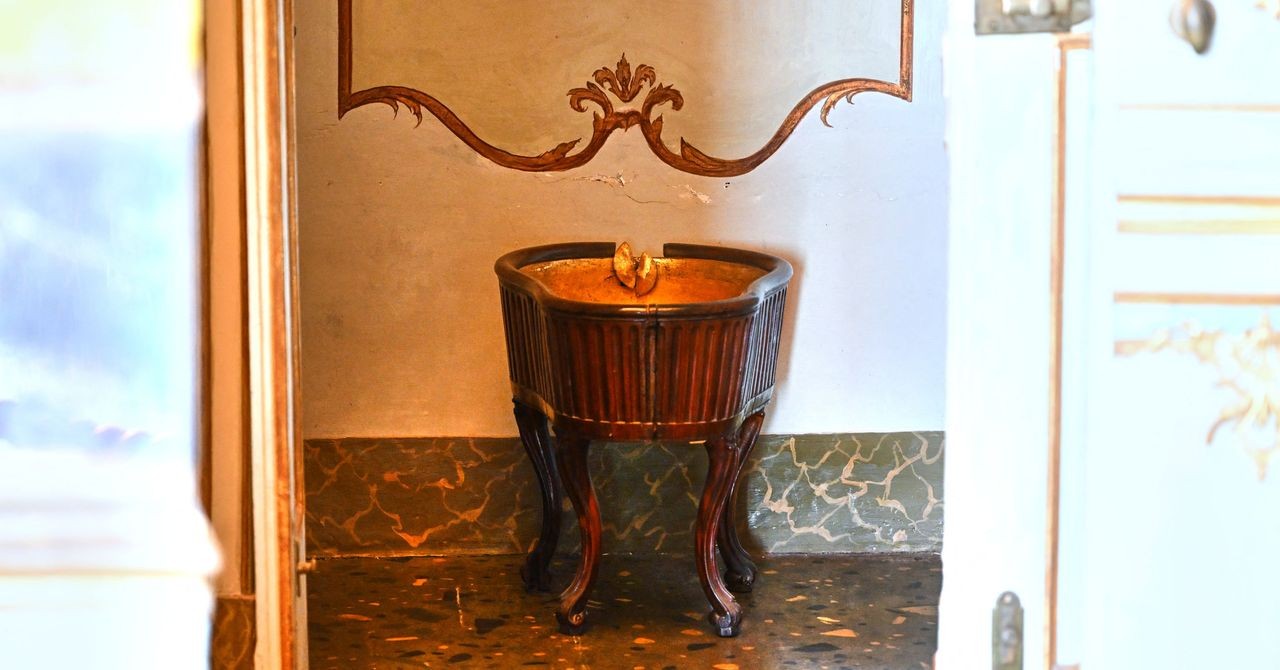
As the 2026 Winter Olympics kick off in northern Italy, an unexpected cultural exchange is unfolding – not on the slopes, but in the bathrooms. Many international athletes and journalists are encountering a fixture unfamiliar to them: the bidet. While commonplace in Italian homes, this oval basin is leaving some visitors puzzled, sparking amused confusion and social media discussions.
A Tale of Two Cultures
The confusion isn’t one-sided. Europeans, accustomed to the bidet’s presence, are equally surprised by the sheer unfamiliarity some athletes display. This highlights a simple truth: what’s routine in one culture can be alien in another. The rise in interest is tangible, with US broadcaster Alicia Lewis’s TikTok asking if the fixture was actually a bidet going viral. An Associated Press report confirms the bidet’s ubiquity in Italy, yet its novelty for many international visitors.
History of Hygiene: From French Courts to Italian Law
The bidet’s history is surprisingly deep. Though its exact origins remain unknown, it’s believed to have emerged in France during the early 18th century. The name itself comes from a term for small, spirited horses, referencing the straddling position used for optimal hygiene. Italy embraced the bidet around 1720, with Queen Maria Carolina of Habsburg-Lorraine demanding its installation in her private palace rooms.
However, widespread adoption took time. It wasn’t until after World War II that Italy made the bidet compulsory in private homes by 1975, cementing its place in national plumbing standards. Today, bidets remain popular in Greece, Turkey, Finland, Argentina, Uruguay, and parts of North Africa.
The Evolution of Cleanliness: From Basins to Washlets
Japan has taken the bidet concept further, integrating it directly into the toilet with “washlets” – featuring adjustable, automatic jets. This reflects a global trend toward advanced hygiene technology.
A Green Shift: Bidets and Sustainability
The bidet’s resurgence aligns with growing environmental awareness. New York City’s mayor, Zohran Mamdani, expressed his “aspirational hope” of installing bidets in Gracie Mansion, while the NYC Department of Environmental Protection emphasized that “more bidets = fewer wet wipes.” The environmental impact is clear: bidets reduce reliance on toilet paper and disposable wipes.
A Global Trend, Slowly Spreading
While bidets aren’t yet mainstream in the US, their adoption is growing, and they show no signs of disappearing. The bidet’s journey – from 18th-century French courts to modern Olympic villages – illustrates how cultural norms and hygiene practices evolve over time.
The bidet remains a cultural curiosity, a small but significant example of how global interactions expose the differences and similarities in our daily routines.