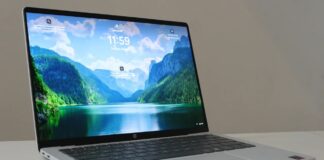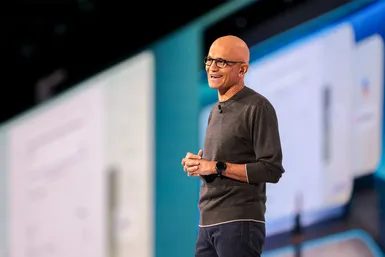
Microsoft isn’t what it was in 1995. Under Satya Nadella, the Redmond, Washington-based company shed its reputation for bloated software monopolies to become a heavyweight in cloud infrastructure and artificial intelligence. If you are trying to understand where the world’s most valuable company is actually making its money today, looking at the old Windows monopoly won’t cut it. You need to look at Azure, LinkedIn, and the enterprise cloud stack.
The company was founded in 1975 by Bill Gates and Paul Allen, two friends from Seattle who adapted the BASIC programming language for the Altair computer. The name came from combining microcomputer and software. But the real shift happened decades later when Microsoft moved beyond just selling operating systems to building a complex ecosystem of services.
Understanding the three business segments
To figure out Microsoft’s financial health, you have to break down its operations into three distinct segments. These aren’t just marketing categories; they represent different revenue streams and risk profiles.
1. Productivity and Business Processes
This is the segment most consumers recognize, though it has changed significantly.
* Microsoft 365: Formerly known as Office, this suite includes Word, Excel, PowerPoint, and Outlook. It now operates on two tracks. Commercial subscriptions serve businesses and schools, adding collaboration tools, secure storage, and account management. Consumer subscriptions target individuals and families, bundling the core apps with OneDrive storage and file-sharing capabilities.
* LinkedIn: Acquired in 2016, this social networking site isn’t just for job hunting. It drives revenue through advertising, premium subscriptions, and sales networking tools.
* Microsoft Dynamics: These are cloud-based applications for finance, supply chain, and customer service. They target enterprises that need to integrate their back-office operations.
2. Intelligent Cloud
This is the engine driving Microsoft’s growth. Azure Cloud Services is the flagship platform. As of the first quarter of 2025, Azure held a 23% market share globally, making it the second-largest cloud provider behind Amazon Web Services (AWS), which held 29%. This is a massive number. It means nearly a quarter of all cloud services run on Microsoft infrastructure.
Other key players in this segment include SQL Server, Windows Server, Visual Studio, and GitHub. The strategic value here is stickiness. Once a company builds its data architecture on Azure, migrating away is expensive and painful.
3. More Personal Computing
This segment includes the legacy hardware and gaming divisions.
* Windows: The operating system remains the cornerstone of desktop computing.
* Xbox: Through hardware and subscriptions like Xbox Game Pass, Microsoft competes directly with Sony and Nintendo.
* Surface and HoloLens: These are Microsoft’s attempts to own the hardware experience, ranging from touchscreen laptops to mixed-reality headsets.
Why the cloud shift matters for your financial decisions
If you are an investor or a business owner, the distinction between “selling software” and “renting infrastructure” is critical. Software sales are finite. You buy a license once. Cloud services are recurring. You pay monthly, often at scale.
Microsoft’s research labs in Cambridge, England; Beijing; Bengaluru, India; Cambridge, Massachusetts; New York; and Montreal feed into this cloud strategy. The company is not just selling tools; it is selling the pipes that carry data.
Why does this matter? Because cloud infrastructure is the backbone of modern digital commerce. Whether it’s streaming video, processing transactions, or training AI models, it runs on infrastructure like Azure. The fact that Microsoft competes directly with AWS and Google Cloud means the market is fragmented, but Microsoft’s enterprise relationships give it a defensive moat.
The historical context you need to know
You can’t understand the current Microsoft without acknowledging the past. In the 1980s and ’90s, MS-DOS and Windows gave the company dominance in the operating system market. That dominance allowed it to expand into other areas. But the antitrust scrutiny and the failure to capitalize on the smartphone era taught the company a lesson. It had to diversify.
The move to the cloud wasn’t just a product launch. It was a corporate identity crisis resolved. By shifting from a “software company” to a “cloud and AI platform,” Microsoft aligned its revenue model with the digital economy’s growth trajectory.
Is the shift complete? Not entirely. The personal computing segment still carries some legacy baggage, and the gaming division faces stiff competition. But the cloud and productivity segments have become the primary drivers of enterprise value. When you evaluate Microsoft today, you are evaluating a cloud infrastructure provider that happens to also make Windows. That nuance changes how you assess its risk and upside.
From MS-DOS to Windows: How Microsoft Monopolized the Personal Computer
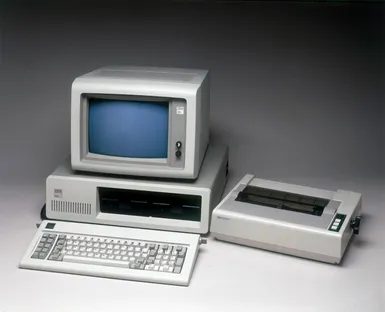
The foundation of the modern desktop wasn’t built by IBM. It was built by Microsoft. When IBM launched the Personal Computer in 1981, they needed an operating system. They went to Bill Gates’ company. Microsoft didn’t write it from scratch. They bought an existing OS from another firm, modified it, and slapped on the name MS-DOS (Microsoft Disk Operating System). That move changed everything.
While IBM focused on hardware, Microsoft focused on licensing. Other manufacturers wanted the software that made the IBM PC work, so they licensed MS-DOS. It was a smart gamble. By the early 1990s, Microsoft had sold over 100 million copies. They crushed the competition. CP/M, which had been the standard in the early 1980s, vanished. Even IBM’s own attempt to compete with OS/2 failed. By the mid-90s, nearly 90% of the world’s PCs ran on some version of Microsoft software.
Windows 95: When the Graphical Interface Took Over
MS-DOS was functional, but it was clunky. Users had to type commands. Then came Windows. The third major version, released in 1990, started to gain traction. By 1993, sales were hitting a million copies a month. But the real shift happened in 1995 with Windows 95.
This was the version that fully integrated MS-DOS with the graphical interface. It finally matched the ease of use of Apple’s Mac OS. For many users, the command line was dead. The mouse was king. Windows 95 didn’t just improve the experience; it locked in a standard that rivals couldn’t break.
Dominating the Office and Expanding into Media
Once Microsoft controlled the OS, it controlled the desk. They took over productivity software. Word processing and spreadsheets became their turf. They outdistanced longtime rivals like Lotus and WordPerfect. It wasn’t close.
But they didn’t stop at office tools. In 1985, they expanded into electronic publishing. Encarta, their multimedia encyclopedia, became a household name. They also tried to play in the media industry. In 1995, they launched MSNBC, a joint venture with the National Broadcasting Company. It ran until 2012. They also pushed into information services through the Microsoft Network. The strategy was clear: if you run Windows, you use Microsoft tools.
The Profit Engine: Numbers That Defied Logic
Microsoft’s financial performance was absurd. They went public in 1986. By the mid-1990s, they were arguably the most profitable company in American history. They consistently made 25 cents on every sales dollar. In fiscal year 1996, net income topped $2 billion for the first time.
The streak didn’t break. Not even during the Great Recession of 2007–09. By fiscal year 2009, net income had grown to more than $14 billion. Rivals hated it. They accused Microsoft of unfair practices. Microsoft’s defense was simple: their software got cheaper and better, and they encouraged innovation.
The First Crack in the Armor: The 1994 Settlement
The U.S. Justice Department didn’t take the “innovation” argument lying down. In 1994, an investigation led to a settlement. Microsoft had to change some sales practices. The government argued these practices discouraged Windows users from trying alternative programs.
The following year, the Justice Department successfully blocked Microsoft’s attempt to buy Intuit Inc. Intuit was the leading maker of PC financial software. It was a clear message: you can dominate, but you can’t buy your way out of competition.
Chasing the Internet: A Slow Start and a Violent Course Correction
Microsoft missed the initial wave of the web. They were too focused on their PC empire to see the commercial potential of network systems until it was almost too late. In 1993, they released Windows NT. It was a landmark program for tying PCs together with better reliability and security. Sales were slow at first. But by 1996, it was hailed as the standard for PC networking, quickly beating Novell’s NetWare in market share.
The internet itself was another story. They didn’t move into web software until Netscape Communications Corp. introduced Navigator. This browser simplified the arcane process of navigating the World Wide Web. Microsoft panicked. They developed Internet Explorer. They made it free. And they pushed hard to get computer makers and ISPs to distribute it exclusively.
By 1996, Microsoft was bundling Explorer with Windows. They started integrating it directly into the OS. Netscape sued, arguing this violated a 1995 consent decree. That lawsuit helped convince the Justice Department to reopen its broad investigation into Microsoft.
The Antitrust Showdown: Breakup Orders and Billion-Dollar Fines
The trial took 30 months. In 1999, a judge found Microsoft in violation of the Sherman Antitrust Act of 1890. The order was drastic: break the company up.
Legal battles followed. In 2001, an appeals court overturned the breakup order. But they still found Microsoft guilty of illegally trying to maintain a monopoly. The legal troubles didn’t stay in the U.S.
In 2004, the European Union levied the largest fine in its history at that point: €497.2 million (about $611 million). They cited Microsoft’s near-monopoly practices. Then, in February 2008, the EU hit them again. The fine was higher: €899 million ($1.35 billion). The charge? Defying the 2004 antitrust decision by illegally bundling multimedia software with Windows to exclude competitors.
The cost of being the standard is high. Microsoft paid billions in fines, lost the chance to buy Intuit, and had its software practices scrutinized by governments around the world. Yet, by the time the dust settled, the OS it built in 1981 was still the default choice for most of the world. The monopoly held. The price just kept going up.
Microsoft’s expensive gamble with Xbox consoles
Microsoft didn’t just stumble into gaming; it paid a premium to stay in the game. The 2001 launch of the Xbox secured second place in a crowded market, followed by the broadband push of Xbox Live in 2002. Then came the Xbox 360 in 2005, a machine that fought hard against the Nintendo Wii and Sony PlayStation. The competition was brutal.
By 2009, Microsoft was bleeding market share. The response? A 25% price cut on the Xbox 360 Elite. It worked, sort of. By 2010, the Xbox 360 was the most-used console in American homes. But the win came with a bill: revenue in the Entertainment and Devices Division dropped by 6%. That’s the trade-off. You buy volume, you lose margin.
The cycle continued. The Xbox One arrived in 2013, only to be replaced by the Xbox Series X and Series S in 2020. Each generation brought new hardware and new pressure to justify the cost against rivals who weren’t slowing down.

Microsoft’s next-generation Xbox 360 video game machine, shown here mounted in large demonstration units, drawing visitors at the Tokyo Game Show in 2005.
Other EDD products also struggled. The Zune family of portable media players introduced in 2006 failed to challenge the market dominance of Apple’s iPod, and it was discontinued in 2011. The Windows Mobile OS, used in smartphones made by a variety of vendors, including HTC, LG, Motorola, and Samsung, trailed in market share in the United States behind Research in Motion’s BlackBerry and Apple’s iPhone. In 2009 Microsoft ceased publishing online and disc versions of its Encarta encyclopedia.
Why Windows Vista failed and how Windows 7 fixed it
Microsoft began planning a major replacement for all of its operating systems in 2001. The project, code-named Longhorn, encountered numerous delays, in part because of efforts to address the public’s growing concern with computer security and consumers’ desire for PCs to have greater integration with a full range of entertainment equipment within the modern electronic home.
The result was Windows Vista, released in 2007. It arrived late, buggy, and with a new security model called User Account Control (UAC) that annoyed power users. Sales were sluggish. Support ended in April 2017, and today, running Vista means running without security updates, which is a risk almost no one should take.
Windows 7, released in 2009, corrected the trajectory. It dropped the aggressive UAC prompts, improved performance, and retained Vista’s security foundations under the hood. It became the default choice for enterprises and consumers alike. If you still run Windows 7, you are outside the support window. The last security update landed in January 2020. For a business, that is a non-starter. For a home user, it is a gamble you can probably only afford if the machine is isolated from the internet.
What changed in Windows 8 and why Windows 10 won the market
Windows 8, launched in 2012, attempted to unify the desktop experience with the touchscreen tablet experience. It introduced a Start screen full of tiles, removed the Start button, and tried to force a mobile-first logic onto desktop hardware. It alienated a core base of PC users who expected a familiar mouse-and-keyboard workflow.
The market reaction was immediate and negative. Windows 10, released in 2015, brought the Start menu back. It kept the tile layout as an optional feature, not a requirement. It introduced Cortana, the universal search, and a more robust update cycle.
The critical mechanism here was the shift to a service model. Windows 10 is not a static product. It receives feature updates twice a year and security patches monthly. This changes the cost calculation for businesses. You are not buying a license once; you are subscribing to an operating environment. For IT departments, this means a predictable upgrade path but also a heavier management load. You have to test drivers, applications, and compliance policies against every major feature update.
Windows 10 support ends on October 14, 2025. That date is now a hard deadline for most enterprises. If your hardware cannot run Windows 11, you face a fork in the road
Why the Vista upgrade failed for most businesses
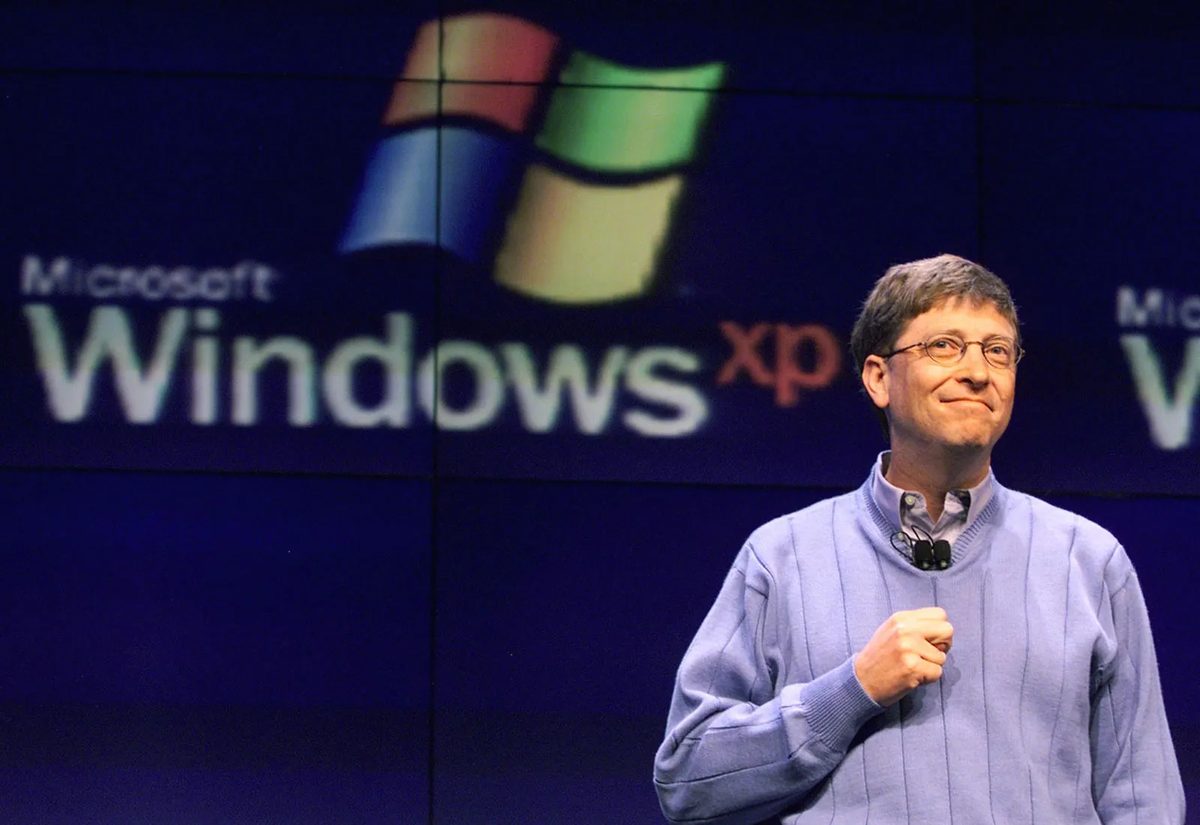
The reboot didn’t go smoothly. Renamed Vista, the OS hit developer channels in late 2006 and consumers in 2007. It carried the standard baggage of a new system: broken peripherals and driver conflicts. But the deal-breaker was hardware hunger. The architecture was bloated, demanding a fast microprocessor and massive amounts of dedicated RAM just to function properly.
Most users were running on Windows XP. Windows experience might be the etymology, but the reality was simple: XP was serviceable, stable, and light. Upgrading to Vista meant buying new hardware. For many, that math didn’t work.
Then came the confusion. Microsoft launched Vista in a dizzying array of editions. Home Basic, Home Premium, Ultimate, Business. Business users, Microsoft’s core revenue engine, looked at the new interface and said no. They weren’t willing to port thousands of internal applications to a system that felt like a gamble.
Why Windows XP outlasted Vista in the enterprise
Customer satisfaction with XP is what killed Vista in the business world.
XP wasn’t perfect, but it was significantly more secure than the Windows 95 and 98 eras. It was faster. It was stable. And it ran a massive ecosystem of software written specifically for it. Migrating that entire stack to Vista was a risk few CFOs wanted to take.
The market forced Microsoft’s hand. PC manufacturers were contractually required to ship laptops and desktops with Vista. So they offered “downgrades” to XP. It was a tacit admission that the new OS wasn’t ready for prime time. Microsoft eventually extended official support for XP until 2014, three years beyond its normal support policy window. That extension was a concession to a user base that simply refused to move.
The competitive landscape that kept Windows dominant
Microsoft wasn’t facing a vacuum. Apple’s Mac OS X grew in popularity, buoyed by the massive consumer success of the iPhone and iPod. Linux stopped being just a hacker’s tool. User-friendly distributions like Ubuntu emerged. By the end of the 2010s, Linux had captured roughly one-third of the low-cost netbook market.
Yet, Microsoft kept its grip. Windows held a worldwide market share between 86% and 92%, depending on the analyst.
How Windows 7 and 8 reset the trajectory
The release of Windows 7 in 2009 fixed the Vista problem. Reviewers and analysts praised it. It was lighter, faster, and more compatible. Microsoft’s lead remained intact.
Then came Windows 8 in 2012. This version introduced a start screen where applications appeared as tiles on a grid. It was a pivot toward touchscreens and tablets, a move that alienated some traditional desktop users but signaled Microsoft’s shift to a mobile-first mindset.
What changed in Windows 10 and 11
Windows 10, released in 2015, brought two major shifts. First, Cortana, a digital personal assistant that responded to voice commands, similar to the iPhone’s Siri. Second, Microsoft Edge, the new web browser that replaced Internet Explorer.
In 2021, Microsoft released Windows 11. The redesign focused on a new start menu and faster operating speeds. But the big change was under the hood. Microsoft removed Cortana. Why? Its performance lagged behind competitors like Siri and Amazon’s Alexa.
In its place came Copilot.
Copilot uses large language models to generate content in real-time, aiming to boost productivity.
This is the AI feature that rides the wave of technology popularized by ChatGPT and Google Gemini. It responds to specific user commands. Ask it to “create a budgeting spreadsheet,” and it generates the structure. It is integrated deep into the ecosystem: Microsoft 365 (Word, PowerPoint, Excel), Bing, and the Windows taskbar.
Early reactions to Windows 11 were mixed. Design choices and compatibility issues drew criticism. But as Microsoft prepares to end support for Windows 10 in October 2025, the upgrade wave is accelerating. By mid-2025, Windows 11 had become the most widely used version of the OS.
Microsoft is also listening. The interface is getting updates in response to feedback. The start menu and taskbar are becoming more customizable. The learning curve is steep, but the direction is clear: the operating system is no longer just a container for files. It is becoming a layer of active intelligence. Whether that shifts the balance of power in the next decade is the question now.
Microsoft’s failed search engine gamble and the $44.6 billion Yahoo miss
Microsoft spent the 2000s trying to replicate its Windows monopoly in search. It failed. Live Search, launched to compete with Google and Yahoo, lagged far behind. The gap wasn’t just technical. It was strategic. Google had already captured the user habit.
In 2008, Microsoft made a bold move. It offered to buy Yahoo for $44.6 billion. Yahoo said no.
Negotiations didn’t die. In 2009, the two signed a deal. Yahoo would use Bing as its default search engine. Microsoft would handle premium ads on Yahoo’s site. The arrangement held, with tweaks in 2015 giving Yahoo more flexibility. Microsoft also licensed content from Wolfram Research, the makers of WolframAlpha, to beef up Bing’s scientific and computational answers.
Bing was pitched as a “decision engine.” The idea: show more data on the search page so users didn’t have to click through five links to find an answer. Sometimes Bing displayed enough info to satisfy the query entirely. It was a smart concept. The market didn’t shift.
How Microsoft entered the cloud race with Azure and Office 365
While search stumbled, Microsoft pivoted to cloud computing. This is where the company found new legs.
Windows Azure was announced in 2008 and launched in 2010. It let businesses and service providers build computing infrastructure in the cloud and sell it as a service. Users accessed everything through their local PCs, but the heavy lifting happened on centralized servers. By 2014, the product was simply called Microsoft Azure.
Then came Office 365 in 2011. This wasn’t just a cloud storage solution. It was the full Office suite (Word, Excel, PowerPoint, Outlook, OneNote) delivered as a service. It mirrored Google Docs in functionality but retained the enterprise-grade muscle of Microsoft’s original products. For businesses, it meant lower upfront costs and easier updates. For consumers, it meant access to professional tools without buying a license.
Why the $8.5 billion Skype deal changed Microsoft’s communication strategy
Microsoft didn’t stop at cloud. In 2011, it bought Skype for $8.5 billion. At the time, that was the largest acquisition in the company’s history.
Why buy a video chat app? Because Microsoft wanted to own the communication layer. It integrated Skype into Xbox, Outlook, and Windows smartphones. This put Microsoft head-to-head with Apple’s FaceTime and Google’s Google Voice.
The bet paid off in scale. By 2016, Microsoft outdid itself. It purchased LinkedIn for $26.2 billion. This wasn’t a communication tool. It was a career-focused social network. The move signaled Microsoft’s intent to dominate professional networking and talent acquisition, not just enterprise software.
Who replaced Bill Gates and why it didn’t matter
In 2000, Bill Gates stepped down as CEO. He handed the reins to Steve Ballmer, a college friend from their Harvard days. Gates kept the title of chief software architect until 2006, when he passed it to Ray Ozzie, the man behind Lotus Notes.
By 2008, Gates was fully out of day-to-day operations. He stayed as chairman. Ozzie left in 2010. In 2014, Satya Nadella took over as CEO.
Industry watchers worried. They asked: can Microsoft survive without its founder? The answer was a resounding yes. Microsoft held its top spot in business and consumer markets. Operating systems, productivity software, and online gaming all kept performing.
In 2012, Microsoft launched Surface. These were hybrid tablets designed by Microsoft itself. A first for the company. It proved Microsoft could build hardware that worked seamlessly with its software, not just license chips from others.
The company’s core profits stayed on the business side. That’s where Microsoft set global standards. But management knew the line between personal and business computing was blurring. They needed a major consumer presence, even if they didn’t need to dominate it like they did in enterprise.
Which Microsoft strategies survived the post-Gates era?
The transition wasn’t painless. But the structure held. Gates’ departure didn’t trigger a collapse. It triggered a shift in focus.
Microsoft kept its grip on Windows and Office. It expanded into cloud with Azure. It bought its way into communications and professional networking. It built its own hardware with Surface.
The question wasn’t whether Microsoft would survive without Gates. It was whether it would adapt. The answer, so far, is yes. The company moved from a software purveyor to a cloud and AI platform. That pivot started under Ballmer, but it accelerated under Nadella. The foundation laid in the 2000s and 2010s made that acceleration possible.
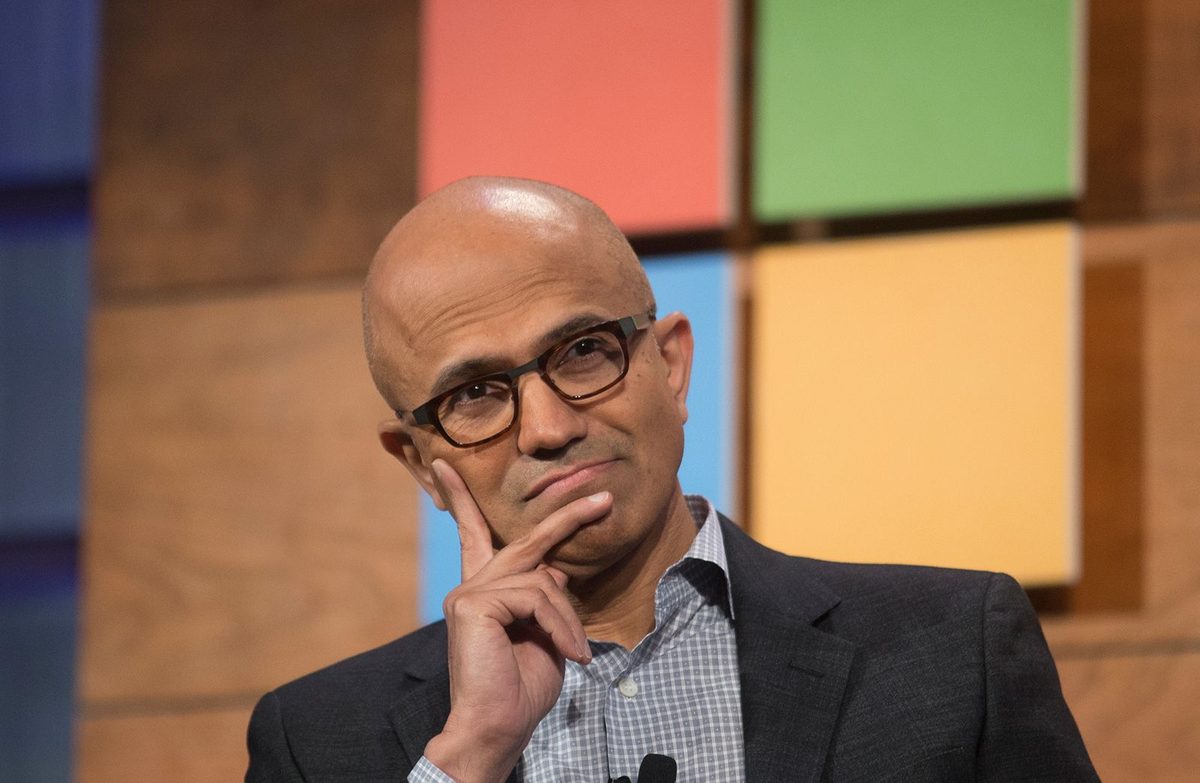
How Microsoft’s $4 Trillion Market Cap Was Built: Azure, AI, and the Nadella Era
The jump from $300 billion to $4 trillion isn’t just a number. It represents a decade of structural change. When Satya Nadella stepped in as CEO in 2014, the market valued Microsoft at roughly $300 billion. By 2024, that figure had climbed past $3 trillion. Then, in July 2025, the stock crossed the $4 trillion threshold for the first time. Only one other publicly traded U.S. company had hit that mark before: NVIDIA. Both companies benefited from strong earnings growth and a surge in investor confidence tied to artificial intelligence strategies.
Why Cloud Computing Became the Engine of Growth
Look at the revenue mix, and the story writes itself. In 2014, cloud computing generated just 5% of Microsoft’s total revenue. By the fourth quarter of fiscal year 2025, that slice had swelled to 61%. Azure isn’t just a product line anymore. It’s the backbone. Under Nadella’s leadership, cloud revenue increased tenfold. That shift explains much of why the stock price climbed so steeply. Investors aren’t just paying for legacy software sales. They’re paying for recurring revenue streams from infrastructure that powers other companies’ operations.
The OpenAI Bet and the AI Infusion Strategy
Microsoft didn’t wait for AI to become a buzzword. The company put $1 billion into OpenAI back in 2019. At the time, that looked like a strategic partnership with a research lab. Then ChatGPT launched in 2023. It became the first publicly accessible conversational AI chatbot powered by a large language model. By 2024, it was also the most commercially successful one in the market. That single release reshaped the technological landscape.
Nadella has been loud about the next step. In earnings calls starting in 2023, he confirmed that Microsoft intends to infuse AI into every layer of the “tech stack.” This applies across all three of the company’s business segments. The goal isn’t just to sell AI tools. It’s to rewrite how commercial and consumer applications function. If you use Office, Windows, or Azure, you’re likely touching AI features now. The question isn’t whether AI will change software. It’s how fast your workflow adapts to it.
Navigating the Microsoft Narrative: Key Books and Historical Context
If you want to understand where this trajectory started, the library is deep. Hard Drive: Bill Gates and the Making of the Microsoft Empire by James Wallace and Jim Erickson (1993) offers a critical look at the founder’s rise. Stephen Manes and Paul Andrews took a slightly more balanced approach in Gates: How Microsoft’s Mogul Reinvented an Industry and Made Himself the Richest Man in America (1994).
For a different angle, Bill Gates wrote The Road Ahead (1995). It’s biased, obviously, but it gives insight into how Microsoft stumbled and then regained its footing during the early internet era. His follow-up, Business @ the Speed of Thought: Using a Digital Nervous System (1999), argues that companies must dive deep into digital technologies to compete. Joel Brinkley’s U.S. v. Microsoft: The Inside Story of the Landmark Case (2000) details the domestic antitrust battles that shaped the company’s corporate structure.
More recently, Satya Nadella published Hit Refresh: The Quest to Rediscover Microsoft’s Soul and Imagine a Better Future for Everyone (2017). It outlines his vision and places empathy at the center of corporate culture. Whether you agree with that philosophy or not, it frames the internal shift that allowed Azure and AI to take off. The books don’t predict the future, but they explain the mechanics of the past. And right now, the mechanics are changing faster than anyone expected.