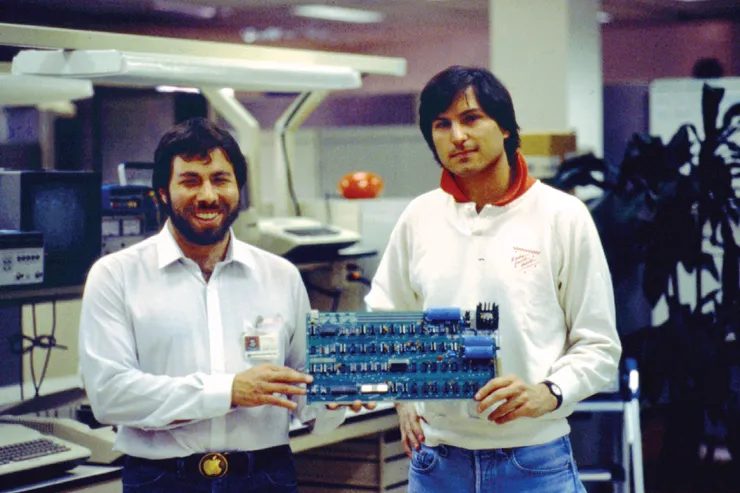
Apple почалася з простої ідеї, втіленої у гаражі. Стів Джобс і Стів Возняк заснували Apple Inc. в 1976 році. Саме там вони створили свій перший комп’ютер. То був ризикований крок. Компанія, що спочатку називалася Apple Computer, Inc., стала першою персональною комп’ютерною компанією, що досягла реального успіху.
Поворотним моментом став вихід Apple ІІ. Випущений у 1977 році, він мав пластиковий корпус та підтримував кольорову графіку. Це різко виділяло його на тлі незграбних машин того часу. Цей продукт вивів компанію шлях успіху. До 1980 року Apple заробила понад 100 мільйонів доларів. У тому року компанія провела первинне публічне розміщення акцій (IPO). Інвестори уважно стежили за ситуацією. Ринок був молодим та волатильним.
Потім з’явився Macintosh. Apple представила його у 1984 році. Це був перший персональний комп’ютер з графічним інтерфейсом користувача. Управління здійснювалося з допомогою миші. Це було революційно. Проте спочатку він продавався погано. Ціна була високою, а екосистема програмного забезпечення — мізерною. У 1985 році Стів Джобс покинув компанію. Його змусили піти.
Mac протягом багатьох років відчував труднощі. Зрештою, він знайшов свою нішу в настільній видавничій системі (desktop publishing). Дизайнерам він сподобався. Спочатку він не став хітом масового ринку. На це потрібен час.
Apple повернула Джобса у 1997 році. Компанії був потрібен новий напрямок. Вона була на межі банкрутства. Джобс повернувся та вніс зміни. Він представив iMac. Це був інноваційний пристрій із сміливим дизайном. Воно повернуло Apple до прибутковості. Корпоративна культура змінилася.
Інновації продовжувалися з високою швидкістю. 2001 року Apple представила iTunes. Це програмне забезпечення дозволяло відтворювати музику у форматі MP3. Також був запущений iPod – портативний MP3-плеєр. Він змінив спосіб зберігання та перенесення музики. Пристрій був стильним, а інтерфейс простим.
Потім Apple змінила музичну індустрію. У 2003 році вона почала продавати пісні, що завантажуються через Інтернет. Великі звукозаписні компанії погодилися надати ліцензії на свої треки. Це було величезне зрушення. Фізичні компакт-диски почали втрачати популярність. Цифрові завантаження взяли гору.
Наступним стрибком став iPhone. Apple представила його у 2007 році. Він оснащувався сенсорним екраном. Це був смартфон ще до того, як сам термін набув широкого визначення. Він об’єднував телефон, iPod та інтернет-комунікатор. Ринок відреагував миттєво. Продаж злетів.
Apple пішла за цим випуском iPad у 2010 році. Він створив новий ринок планшетних комп’ютерів. До цього люди мали чіткого уявлення у тому, навіщо потрібні планшети. Apple показала їм це. Пристрій заповнив пробіл між телефонами та ноутбуками.
Ці продукти збудували величезну імперію. Компанія перейшла від стартапу в гаражі до лідерства у світовому масштабі. Стратегія була послідовною. Фокус на дизайн. Фокус на досвіді користувача. Фокус на інтеграції.
Повернення Джобса врятувало компанію. Продукти, що були запущені після цього, визначили сучасний технологічний ландшафт. Особливо iPhone змінив усе. То був не просто телефон. То була платформа.
Шлях Apple демонструє ризики раннього успіху. Apple II став хітом. Проте покладатися однією продукт небезпечно. Mac довів, що інноваціям потрібен час, щоб завоювати визнання. Повернення Джобса наголосило на важливості лідерства.
Сьогодні компанія оцінюється у трильйони доларів. Але все починалося із двох хлопців у гаражі. Вони створили щось важливе. Спадщина полягає у пристроях, які ми використовуємо щодня.