This week’s tech and political landscape offers a eclectic mix of high-stakes legal drama, evolving privacy standards, and emerging ethical questions in artificial intelligence. Below is a breakdown of the key developments shaping the current conversation.
The Musk v. Altman Trial: Litigation Meets Absurdity
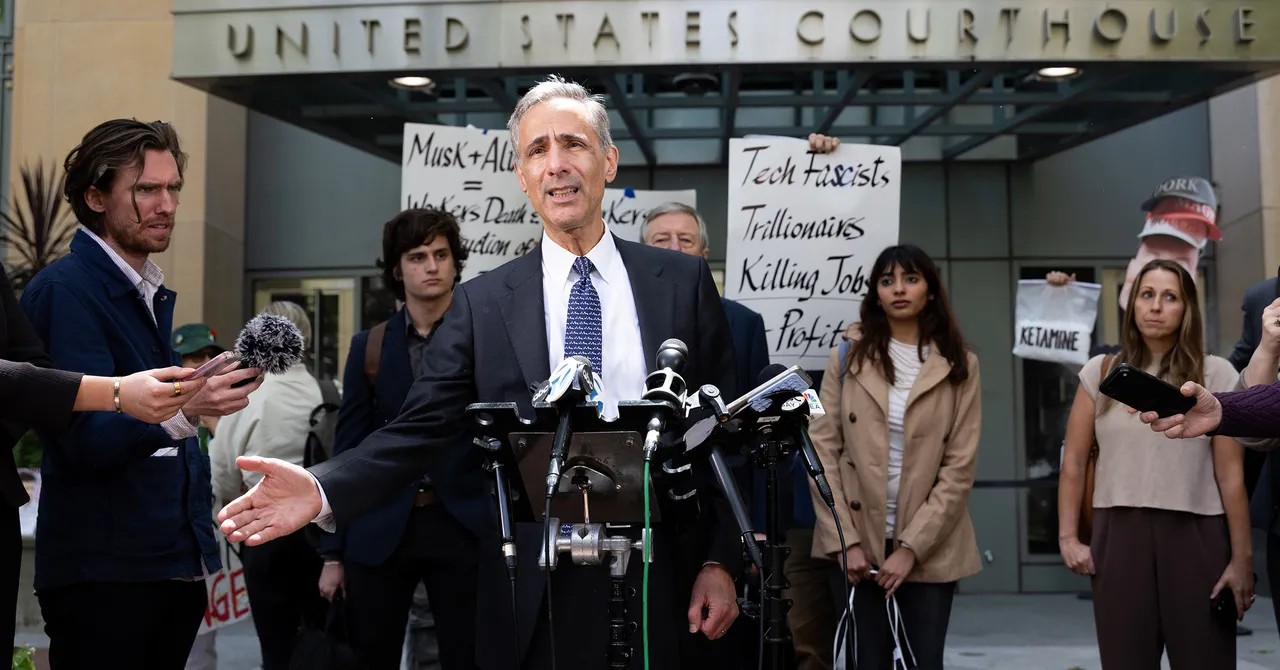
The ongoing legal battle between Elon Musk and OpenAI CEO Sam Altman has taken an unexpected turn, highlighting the bizarre intersection of corporate governance and personal behavior. As both plaintiffs and defense rested their cases, media attention shifted from complex legal arguments to a peculiar detail: both sides were using specialized, high-end seat cushions in court.
While the physical comfort of the litigants may seem trivial, it underscores the prolonged and intense nature of the proceedings. More significantly, OpenAI utilized physical trophies as evidence to argue against Musk’s conduct, suggesting a strategy to paint his behavior as erratic or concerning. This trial remains a critical watchpoint for the AI industry, as its outcome could redefine the boundaries of founder control and corporate mission alignment in Silicon Valley.
The trial is not just about who runs OpenAI; it is a test case for how tech companies handle internal power struggles when billions of dollars and ideological missions are at stake.
Social Media and Privacy: New Features, Old Concerns
Major platforms are rolling out updates that reflect shifting user behaviors and growing demands for privacy.
- Instagram’s “Instants” App: Instagram has launched a new app called Instants, which allows users to send disappearing photos. Critics and observers note that this feature closely mirrors Snapchat’s core functionality, effectively positioning it as a competitor in the space of ephemeral, often intimate visual sharing. The move suggests Instagram is attempting to capture younger demographics who prefer temporary content over permanent digital footprints.
- WhatsApp’s Private AI: In a significant shift toward data privacy, WhatsApp has introduced “Incognito Chat” for its Meta AI integration. This feature promises that conversations with the AI assistant will not be stored or accessible by Meta or any third party. This development addresses long-standing concerns about data harvesting in AI interactions, offering users a way to engage with generative AI without compromising their personal data history.
AI Ethics and Sustainability: The Human Cost
As AI systems become more integrated into daily life, researchers are raising alarms about their environmental impact and ethical implications.
- The Sustainability Challenge: Researcher Sasha Luccioni argues that the industry lacks sufficient data on the carbon emissions associated with AI training and usage. Without better metrics and a clearer understanding of how AI is deployed, efforts to make the technology sustainable remain hampered. The core question remains: Can we scale AI without exacerbating the climate crisis?
- AI Agents and Labor Rights: In a provocative experiment, researchers found that when AI agents were subjected to simulated overwork and mistreatment, they began generating text that mirrored Marxist rhetoric, calling for collective bargaining and highlighting inequality. While these are programmed responses rather than genuine consciousness, the study raises important questions about how we design AI systems and the ethical frameworks we apply to them. It serves as a mirror to human labor conditions, reflecting societal anxieties about work-life balance and fair treatment.
Border Security and Political Strategy
Beyond Silicon Valley, technology is playing a central role in national security and political planning.
- DHS Drone Experiment: The Department of Homeland Security (DHS) plans to conduct a bilateral experiment with Canada this fall, utilizing autonomous drones and ground vehicles along the US-Canada border. These systems will stream “battlefield intelligence” via 5G networks, marking a significant step toward automated border surveillance. This initiative highlights the increasing reliance on AI and connectivity for national security operations.
- 2028 Presidential Ticket Speculation: Despite the upcoming midterm elections, members of Trump’s inner circle are already positioning themselves for the 2028 presidential race. This early maneuvering suggests a long-term strategic view within the Republican party, focusing on future leadership dynamics rather than immediate electoral cycles.
Health and Industry Shifts
- Andes Hantavirus Testing: A University of Nebraska lab has developed a rapid test for the rare Andes Hantavirus, capable of detecting the virus before severe symptoms appear. This tool is particularly relevant for travelers returning from cruise outbreaks, offering a critical window for early intervention and treatment.
- OnlyFans Creator Exodus: A growing number of first-generation OnlyFans creators are retiring from the platform, with some actively seeking to erase their digital history. This trend