<|channel>thought
Experienced journalist and editor.
Professional, clear, accessible, engaging, logical, and meaningful.
A piece about how digital wallets (fintech) are replacing traditional banking in Lebanon to facilitate aid for displaced people during a conflict.
    *   1M+ displaced in Lebanon due to Israeli attacks.
    *   130k+ fled to Syria.
    *   Traditional banks are broken/unreliable in Lebanon (frozen deposits).
    *   Remittances are huge for Lebanon ($6-7B annually, 1/3 of GDP).
    *   Shift from traditional aid/banking to peer-to-peer (P2P) digital wallets (e.g., Whish Money, PayPal, Zelle).
    *   Grassroots/influencer-led aid is a major trend.
    *   Fintech provides speed and bypasses the "broken" banking system.
    *   Trust is the new currency.
    *   Regulatory gray zones exist.

*   *The Problem:* Mass displacement + collapsed banking system = humanitarian crisis.
*   *The Solution (Emergent):* Digital fintech/wallets are the new lifeline.
*   *The Mechanism:* Diaspora/donors $\rightarrow$ Digital Wallets $\rightarrow$ Grassroots organizers/Influencers $\rightarrow$ Displaced people.
*   *The Context:* Why this is happening (distrust in government/banks, high remittance costs).
*   *The Future:* The death of traditional retail banking in favor of fintech inclusion.

*   *Title Ideas:*
    *   How Digital Wallets are Saving Lebanon. (Too simple)
    *   The Fintech Lifeline: How Digital Wallets Bypass Broken Banks to Aid Lebanon's Displaced. (Better)
    * **# Digital Wallets: The New Lifeline for Lebanon’s Displaced Amidst Banking Collapse** (Strong, clear, journalistic).

*   *Introduction:* Start with the human scale. 1 million people displaced. The infrastructure is failing. But money is still flowing—just not through banks.

*   *Section 1: The Shift from Banks to Wallets.* Explain the "why." Banks are frozen. Remittances are vital ($6-7B). The shift is from formal banking to P2P fintech.

*   *Section 2: Grassroots Aid and the "Influencer" Economy.* Detail how aid actually moves. It's not just NGOs; it's lawyers, influencers, and social media campaigns. Mention the Whish Money example and the scale of success (e.g., Jad Essayli).

*   *Section 3: The Rise of Fintech as Essential Infrastructure.* Why Whish Money? Because they serve the "unbanked." Mention the connection to US banking. Explain the change in behavior (buying more essentials/stocking up).

*   *Section 4: The Trust Deficit and Regulatory Realities.* Address the "Why now?" factor. Distrust in the government/parliament. The "gray zone" of regulation. Mention that while fast, there are still AML (anti-money laundering) checks.

*   *Conclusion:* Summarize the shift. It's a structural change in how money works in crisis zones.

*   *Check:* Did I invent facts? No.
*   *Check:* Is it logical? Yes, moves from the crisis $\rightarrow$ the mechanism $\rightarrow$ the technology $\rightarrow$ the societal implication.
*   *Check:* Is it engaging? Use terms like "digital lifeline" and "trust is the new currency."
*   *Formatting:* Use H1, H3, bolding, and quotes as requested.

*   *Correction:* Make sure to emphasize *why* the shift to digital matters. It's not just a convenience; it's a necessity because the traditional system is dead.
*   *Refinement:* Ensure the distinction between "formal" and "informal" inflows is clear.
*   *Tone Check:* Ensure it doesn't sound like an ad for Whish Money, but rather uses it as a case study for the broader fintech trend.# Digital Wallets: The New Lifeline for Lebanon’s Displaced Amidst Banking Collapse
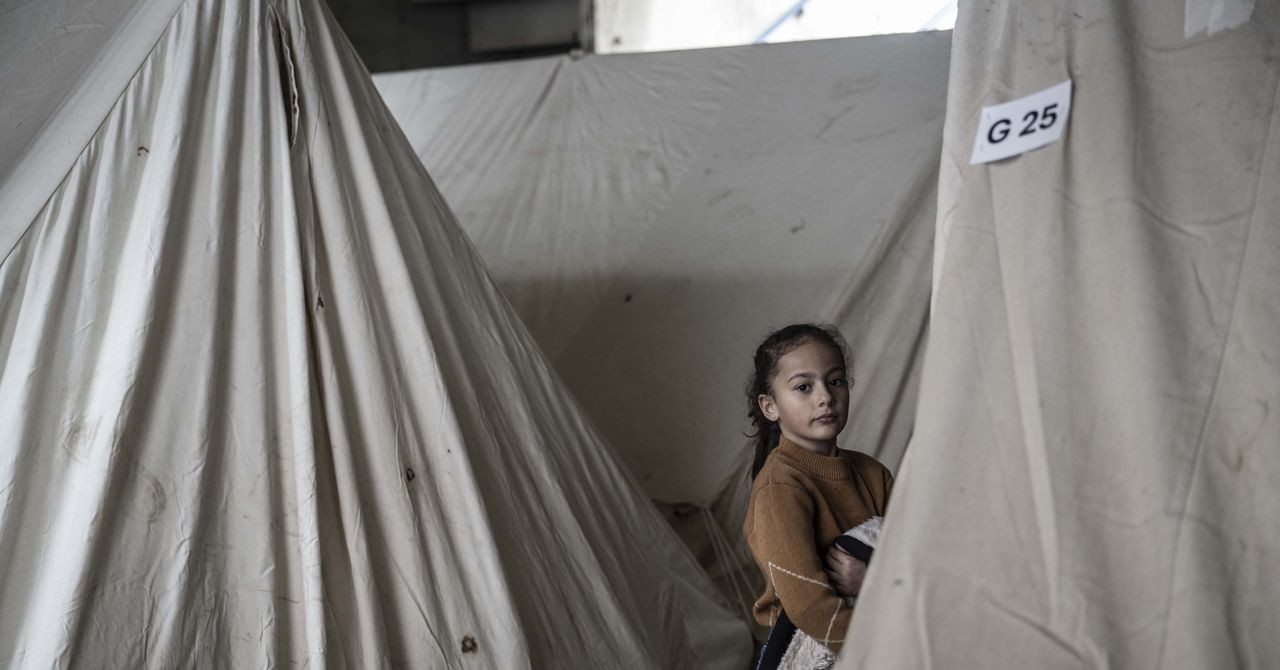
As conflict intensifies in Lebanon, a massive humanitarian crisis is unfolding. Since March, Israeli attacks have displaced over one million people, forcing families to seek shelter in cars, open spaces, or with relatives. Additionally, more than 130,000 people have crossed into Syria, according to the International Organization for Migration, all in urgent need of food, cash, and shelter.
While the physical infrastructure of the country struggles under this weight, a different kind of infrastructure is stepping in to fill the void: digital fintech platforms. As traditional banking systems remain paralyzed, digital wallets have become the primary channel for emergency aid.
The Shift from Banks to Digital Wallets
For years, Lebanon has relied heavily on remittances—money sent from citizens living abroad—to sustain its economy. These flows account for roughly $6 billion to $7 billion annually, representing about one-third of the nation’s GDP.
However, the traditional way of receiving this money is broken. Following Lebanon’s financial collapse, banks froze deposits and restricted access to funds, leaving much of the population “unbanked.” In this vacuum, the flow of aid has shifted from formal banking channels to peer-to-peer (P2P) digital transfers.
Instead of waiting for a bank to open or a wire transfer to clear through a central institution, donors are now using digital wallets to send money instantly to trusted individuals on the ground. This allows for:
– Immediate liquidity: Funds can be used the moment they arrive.
– Direct distribution: Money goes straight to grassroots organizers rather than getting stuck in bureaucratic layers.
– Bypassing broken systems: Fintech allows money to move even when the formal banking sector is non-functional.
The Rise of Grassroots Aid and “Influencer” Networks
This shift has birthed a new, highly informal model of humanitarianism. Rather than relying solely on large international NGOs, much of the current aid is organized through social media and personal networks.
Digital campaigns are seeing remarkable success. For example, a grassroots initiative led by Lebanese lawyer Jad Essayli raised over $65,000 in just ten days through social media and digital transfers. These campaigns often rely on “influencers” or trusted community members who act as intermediaries—collecting funds from the diaspora and distributing them directly to those in need.
This trend is driven by a profound collapse of public trust. A 2025 study by the Economic Research Forum highlights that trust in Lebanese government institutions and parliament has plummeted. When citizens cannot trust the state or the banks to manage their money, they turn to digital platforms and personal connections they can verify themselves.
Fintech as Essential Infrastructure
Companies like Whish Money have transitioned from niche services to essential financial lifelines. Originally focused on digitizing gift cards, these platforms have evolved into full financial ecosystems that serve the “unbanked”—those without reliable access to traditional banks.
The impact of this technology is visible in changing consumer behaviors. As uncertainty grows, transaction patterns show that families are making larger, more frequent purchases to stock up on essentials like groceries. Furthermore, these platforms often provide a critical bridge to the global economy, allowing users to link international accounts (such as those in the US) directly to local digital wallets.
While this “bottom-up” system operates in a regulatory gray zone—lacking the dedicated fundraising frameworks found in other countries—it is not unregulated. Most major platforms still maintain anti-money laundering (AML) protocols to balance the need for speed with the necessity of security.
“I think nowadays it will boil down to trust. Trust is the new currency.”
Conclusion
The crisis in Lebanon has accelerated a fundamental shift in how money moves during a catastrophe. As traditional retail banking loses its grip, digital fintech is proving that in a broken system, speed, accessibility, and direct peer-to-peer connection are the most vital tools for survival.