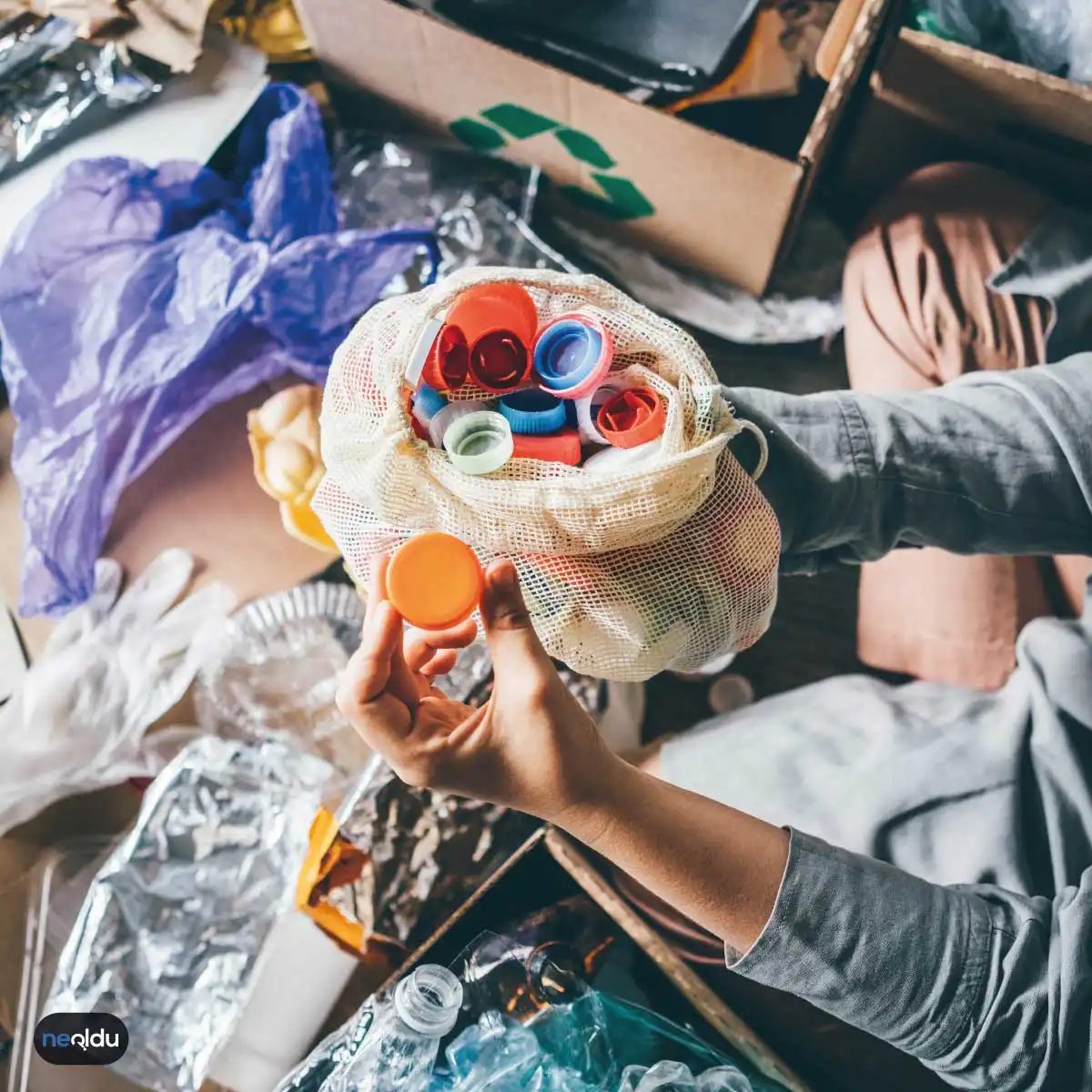
Recycling means seeing our waste not just as garbage but as raw material for new products. This process refers to the recycling of used substances into the production cycle by undergoing chemical and physical processes.
So how exactly does this process work? And why is it vital?
Basic Definition of Recycling
Recycling is a cycle that aims to reduce raw material consumption, save energy and reduce the amount of waste.
For example:
– Plastic bottles can be reprocessed into textile products.
– Paper waste can be used to produce new paper or cardboard.
– Glass waste can be melted and turned into new glass products.
– New metal products can be obtained by remelting metal waste.
This process provides great advantages in terms of protecting natural resources, saving energy and preventing environmental pollution.
Benefits of Recycling
The benefits of recycling to society and the environment are countless:
- Protection of natural resources: Thanks to recycling, resource consumption such as tree cutting, mineral extraction and oil use is reduced.
- Energy saving: Processing waste materials instead of producing from scratch requires less energy.
- Reducing environmental pollution: Non-recycled waste harms the environment. This damage is minimized by recycling.
- Reducing the amount of waste: Recycling slows down the filling of landfills.
These benefits of recycling are important at both individual and social levels.
How to Recycle?
The recycling process is done with correct separation and appropriate methods. Here are the recycling steps:
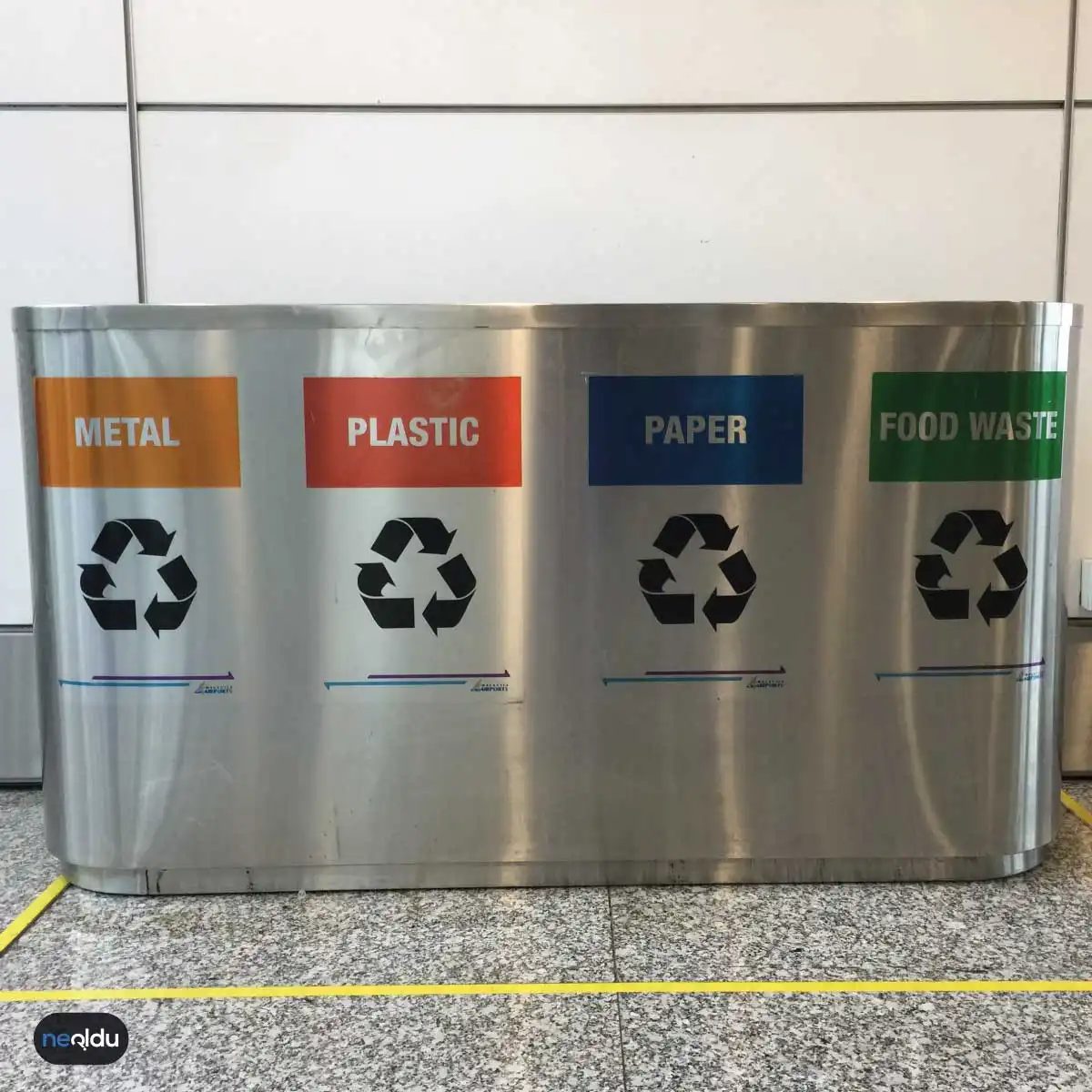
- Separation of waste: Waste should be separated according to material type.
- Paper
- Glass
- Plastic
- metal
-
Organic waste
-
Cleaning: Waste should be cleaned and kept dry after use.
- Leaving in the correct containers: Separated waste should be left in the recycling containers determined by the municipalities.
- Reprocessing: In recycling facilities, these wastes are converted into new raw materials.
Proper implementation of the above steps increases recycling efficiency.
Social and Environmental Impacts of Recycling
return
Recycling is not just a habit, it is a way of contributing resources to a circular economy. The process of processing discarded materials and making them ready for reuse is one of the most direct ways to reduce environmental pollution. However, this process is not just a single action; It consists of a complex chain that includes separation, classification and processing stages.
The most critical point when exhibiting environmentally friendly behavior is the correct separation of waste. If glass, metal, paper, plastic and organic waste are thrown away in a mixed manner, the recycling process becomes blocked or impossible. Therefore, the first step is to collect different types of waste separately. This separation is made before being sent to the processing facilities in the centers determined by the municipalities.
For businesses, this is not a burden, but a sustainability opportunity. Establishing policies on the collection and classification of recyclable waste both reduces environmental impact and increases resource efficiency.
Saving Energy and Preserving Resources
One of the most tangible benefits of recycling is energy savings. Compared to producing new products from raw materials, manufacturing from recycled materials generally requires much less energy. For example, recycling aluminum uses up to 95% less energy than producing new aluminum from bauxite ore. This difference significantly reduces dependence on fossil fuels and, indirectly, greenhouse gas emissions.
Additionally, the use of recycled materials prevents over-extraction of natural resources. This includes recycling paper to prevent deforestation, reprocessing plastic and glass to protect water resources, and recovering metals to slow down the depletion of mineral reserves. This mechanism promotes efficient use of resources.
Application Steps at Home and Workplaces
Recycling is an achievable process at home or work. However, the success of this process depends on the diligence of the participants.
- Separation: Multi-compartmenting trash cans in homes and offices makes it easier to separate paper, plastic and glass.
- Cleaning: Food residue or dirty materials on recyclable materials can make processing difficult.

The world population is increasing day by day. This pressure pushes people to search for new resources. Recycling helps to protect nature, at least partially, in this process. Aluminum pots can be given as an example. If these are recycled, our aluminum mineral reserves will not run out unnecessarily.
Recycling doesn’t just save resources. It also saves energy. If the waste enters the recycling process directly, it is spared from the heavy processes in the mines. They become suitable raw materials for the new product through direct melting. Approximately 90 percent energy savings can be achieved with this method.
Recycling the harmful waste in our environment also has a positive impact on human health. The environment is cleaned. Air pollution decreases. Most importantly, recycling can be seen as an investment in future generations and the economy. We protect our underground riches.
Which Materials Can Be Recycled?
The types of materials that can be included in the recycling process vary. The most common are:
- Paper and cardboard: Newspapers, cardboard, notebooks.
- Plastic: Bottles, containers, packaging.
- Glass: Bottles, jars, glass pieces.
- Metal: Aluminum cans, iron waste, copper cables.
- Electronic waste: Old mobile phones, computers, televisions.
- Organic waste: Food scraps, garden waste.
The recycling process for each material is different. But they all share a common point: protecting resources. Recycling enables waste to be transformed into valuable raw materials. This process both protects the environment and contributes to the economy.
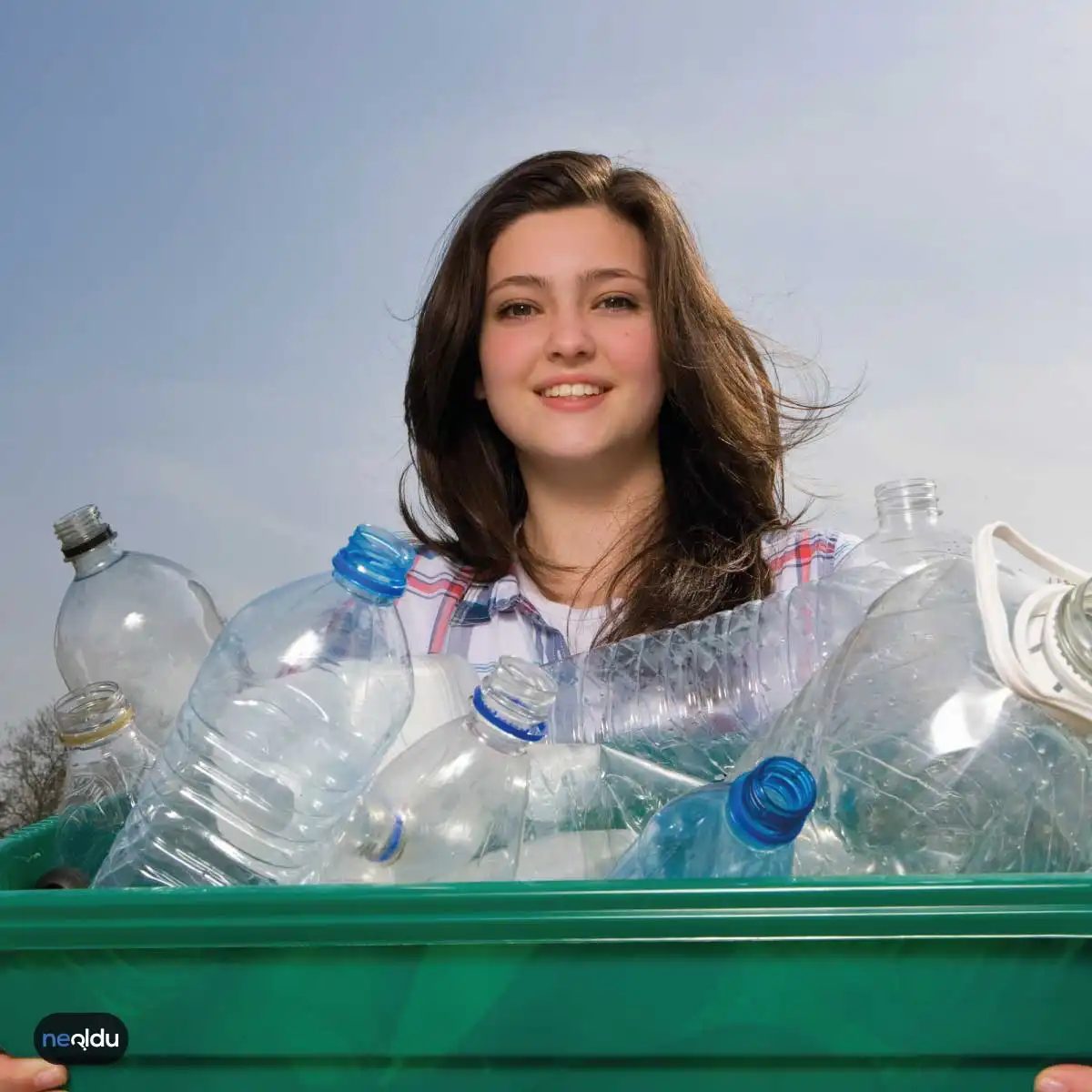
Hidden costs of new materials
We treat resources as if they were unlimited. We are not. Every time we mine ore, cut timber, or pump oil, we are extracting something from the earth that has taken millions of years to form. We use it once. Then we toss it.
Recycled materials are the solution to this linear waste model. They are products created from waste that has been processed for reuse. The logic is simple, but effective. This means less unused materials, less pollution and energy savings.
It’s not just about feeling good. It is about economics and survival.
What materials can be recycled?
Not all waste is the same. Some materials deteriorate. Others can be looped back into the production cycle indefinitely. Here’s what actually goes through the recycling stream:
- Paper: This includes books, newspapers and cardboard. When processed, it becomes new paper products. There is a limit to the shortening of the fibers each time, but it keeps trees out of the ground.
- Metals: Aluminum and copper are the heavy hitters here. Iron and other metals also fit. Recycling metals saves up to 95% of the energy needed to make new metals from ore. That is a massive efficiency gain.
- Glass: The melting temperature of crushed glass is lower than that of green sand. It can be recycled endlessly without loss of purity.
- Plastic: This is the messy one. Plastic bottles and some plastic bags can be recycled. However, not all plastics are created equal. Some gradient in quality. Sorting is important.
- Organic waste: Vegetable waste, peels, grains. These are not new products in the same way. Instead, it is converted into compost to improve soil structure or digested into biogas. This is energy that is created during the decomposition of living things.
Why is separation important?
Contaminated items cannot be recycled. A greasy pizza box may look like paper, but it ruins the batch. Proper isolation at the source is the first step in the chain.
By collecting recyclable materials separately, you support the infrastructure that turns waste into raw materials. This reduces the demand for natural resources. Reduces the amount of waste going to landfill.
Landfills are more than just holes in the ground. They are a source of methane, a powerful greenhouse gas. They leak toxins into the soil. Recycling disrupts this flow.
The relationship between recycling and pollution
There is a direct connection between recycling and environmental health.
Manufacturing requires extraction from the original material. Extraction destroys habitats. It causes erosion. It pollutes water sources.
Recycled materials bypass much of this.
– mining reduction: Mining and opencast mining will be reduced.
– Less refining: Smoother processing.
– Less transportation: Recycled materials are usually processed locally, which reduces fuel consumption.
If you decide to recycle your content, you refuse to delete it. You are voting against the heavy machinery that scars the landscape.
How we can really help
Knowing about material types is meaningless if you don’t take action. The system relies on participation.
- **Classify the waste. ** Find out what your local facility accepts.
- **Clean your belongings. ** Rinse the tank. Remove food waste.
- **Subtract first. ** Recycling is a last resort. Repeated use gives better results.
Every bottle saves unburned energy. per ton
Recycling is more than just a buzzword. It is a system that turns waste into usable materials. The goal is simple. Reduce pollution. Keep resources flowing.
As the world’s population grows and factories increase their production, landfills sag under their weight. We produce more waste than ever before. Recycling steps in to catch that overflow. It keeps us from destroying the earth.
Consider paper. Paper recycling doesn’t just save trees. You stop the cycle of deforestation. New trees do not need to be felled to make new sheets. The supply chain remains unchanged. The forest still remains.
Metal is more dramatic. Mining consumes a lot of energy. This is dirty work. Recycling metals eliminates the need to mine new ores. Save a lot of energy in the process. The obtained materials do not cause damage to the environment.
Then there are toxic elements. Waste treatment prevents harmful substances from being washed into the soil and water. Acts as a buffer against pollution. Keeping these materials in a closed cycle reduces the burden on the environment. It’s not just about saving trees. It’s about cleaning up the mess we’ve made.
The energy economy of waste
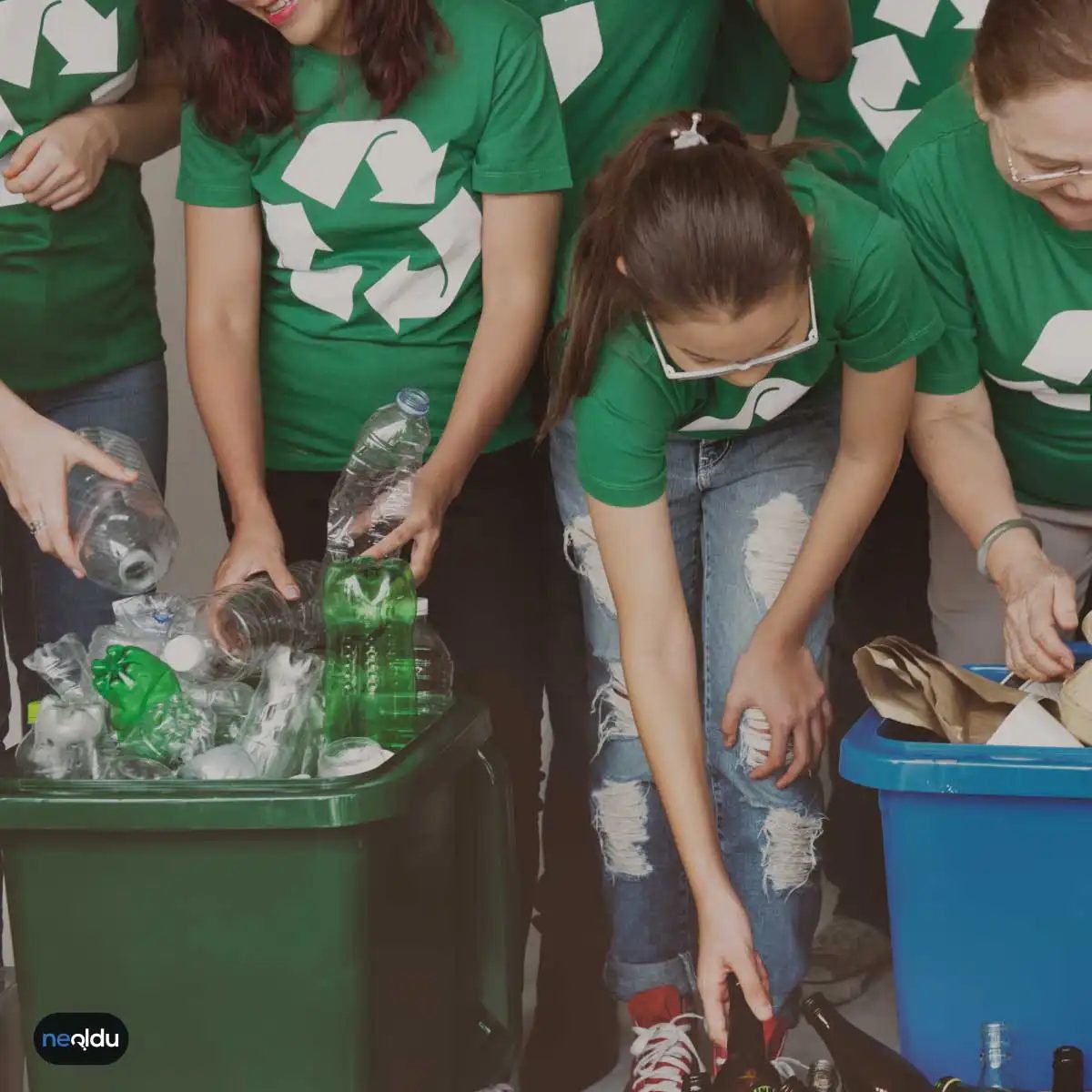
The real costs of “green” options
We often think of recycling as an ethical checkbox. Mark done. Feel better. But the math behind the bottle is much more interesting than expressing the virtue. This is about energy arbitrage. Recycling not only saves space in landfills; You cut out the most energy-consuming part of the manufacturing chain.
Think aluminum. Bailing the metal. Melting it down. It requires only a fraction of the energy required to mine, refine and melt bauxite ore into slabs. The difference is huge. We are talking about energy savings of up to 95 percent. This is not a typo. Mining and refining raw aluminum is energy intensive. Recycling avoids the entire industrial nightmare.
Paper is a similar story. Pulping wood is grueling. It requires heat, chemicals and water. The use of recycled fibers can reduce these needs significantly. There are also fewer trees. Less water. Reduce your carbon footprint. The mechanism is simple. Instead of rebuilding the cellulose structure from scratch, we reuse it.
The plastic paradox
Plastic is more difficult. We have to be honest about this. The texts you see here claiming that recycling always saves natural resources are misleading. Recycling plastic saves energy* compared to the production of virgin plastics from oil. However, it does not necessarily reduce the extraction of natural resources such as paper or metals in a linear fashion. In fact, supply chains are still often tied to the extraction of fossil fuels.
However, the energy savings are still real. Processing current plastic polymers consumes less electricity and heat than cracking new hydrocarbons. The trade-off is in the quality. Downcycling is a thing. Your plastic bottle can become a fleece jacket. That coat will never go back into the bottle. The resource loop is not closed. It’s stretched.
So why are we still doing this? Because the alternative is to burn fossil fuels and make new stuff. Despite its disadvantages, the mechanical recycling of plastics has a positive effect on the energy grid. However, it doesn’t offer the same “save the forest” story as the paper. This is an energy game. The fossil fuel offset game.
How do you move the needle?
Collecting material is not enough. Contamination reduces efficiency. A greasy pizza box ruins a clean stack of paper. A leftover soda bottle inside a glass jar breaks the machinery. The infrastructure is weak. It relies on precision.
Proper separation can reduce separation costs in material recovery facilities (MRFs). You lower the contamination rate. This means that the final product has a higher value. It’s more likely to be made into something new than sent to landfill because it’s too dirty to use.
The energy savings compound. Less pollution means less cleaning. Less washing, the less hot water you need. Less hot water means less gas and electricity. This is a cascading effect.
What happens after the trash can

Think twice before throwing it in the trash. That little triangular symbol on packaging is not just a sign. It shows whether it is the end of the product or a new beginning.
Use plastic bags once again. Wash glass bottles. Reducing the number of disposable items allows nature to breathe. Glass products are safe for your health. They last for years.
What is Recycling?
Recycling is the reprocessing of waste into raw materials. This process reduces mountains of garbage. It slows down the depletion of natural resources.
Paper, plastic, aluminum, glass and metal are among the recyclable materials. Each goes through different processes. However, the common point is that it ceases to be garbage and becomes a new product.
How Does Recycling Work?
The process starts at home. You collect paper, plastic and glass separately. Schools and workplaces also apply the same system. The collected waste is sent to recycling facilities.
What happens there?
Waste is cleaned. It is classified. It is converted into raw material. This process allows new products to be produced. The need to extract raw materials from natural resources is reduced.
Why is it important?
Recycling is of vital importance for the environment.
Protects natural resources. It prevents pollution. It keeps the soil, water and air clean.
Does recycling save energy?
Yes. Much less energy is consumed than producing new raw materials. For example, aluminum recycling saves up to 95% energy compared to producing new aluminum from bauxite ore. For glass, this rate is around 30%.
Practical Tips
- Use jars: Store glass jars for a long time.
- Battery and electronic waste: Throw them in special boxes. They should not be mixed with normal garbage because they contain toxic substances.
- Do not wring the papers: Prevent them from getting damp.
- Keep plastics clean: Food residues reduce the recycling quality.
Recycling is a habit. It starts with small steps. It creates big effects.
Other Topics You Are Interested In
- Natural Wonders
- Recycling Slogans
Every waste carries a resource potential. The choice is yours.