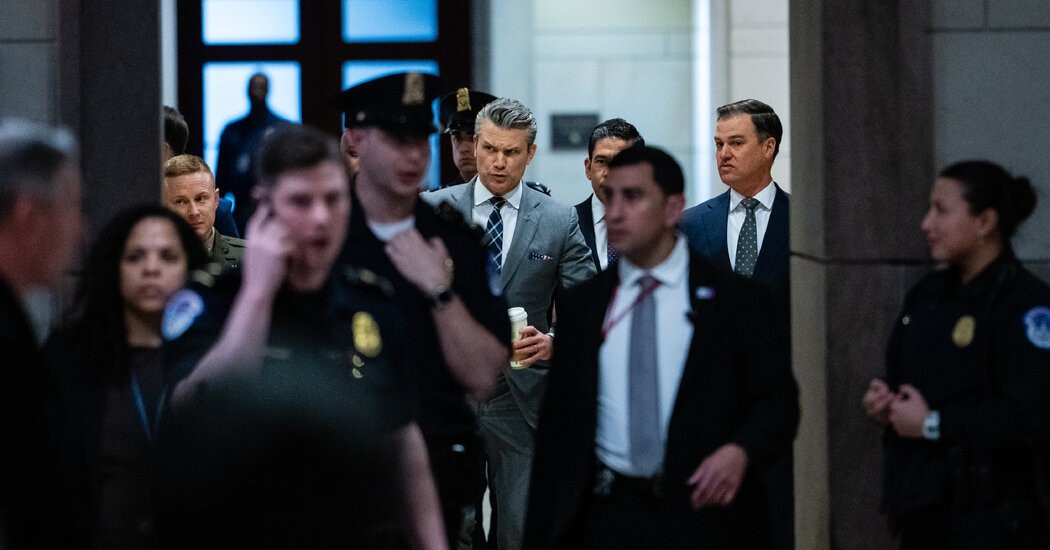
The US Department of Defense recently pressured Anthropic, an AI startup, into expanding military access to its technology. When Anthropic hesitated, the Pentagon threatened to blacklist the company, potentially cutting off its business with defense contractors. This led to a deal with OpenAI instead.
The Pressure Campaign
In late February 2026, Defense Secretary Pete Hegseth issued an ultimatum: allow full military deployment of Anthropic’s AI, or face exclusion from Pentagon contracts. This aggressive move highlights the DoD’s growing reliance on commercial AI and its willingness to enforce terms through economic leverage.
The Pentagon designated Anthropic a “supply chain risk” to ensure compliance, effectively preventing military contractors from using its tools. This tactic demonstrates a clear signal to other AI developers: cooperate with the military, or risk being sidelined.
Why This Matters
The DoD’s actions reveal a critical trend: the increasing integration of commercial AI into classified military operations. Anthropic’s initial reluctance stemmed from concerns about how its technology would be used, suggesting ethical or strategic reservations. The Pentagon’s response underscores that such reservations are secondary to national security interests.
This also raises questions about the power dynamics between government and private tech companies. The DoD effectively strong-armed Anthropic, demonstrating its ability to dictate terms even to leading AI innovators.
How the Technology is Used
Anthropic’s AI is already deeply embedded in the Pentagon’s infrastructure. The company partnered with Palantir, a data analytics firm cleared for classified operations, making its systems accessible for sensitive applications. Additionally, Anthropic’s technology analyzes intelligence data as part of a $200 million AI pilot program.
The shift to OpenAI will likely replicate these integrations, potentially accelerating the deployment of AI in military intelligence and operations. The key takeaway is that the Pentagon will continue leveraging commercial AI, regardless of the ethical or contractual hurdles.
The Pentagon’s aggressive move demonstrates its determination to secure AI capabilities for military use, setting a precedent for future negotiations with tech companies.