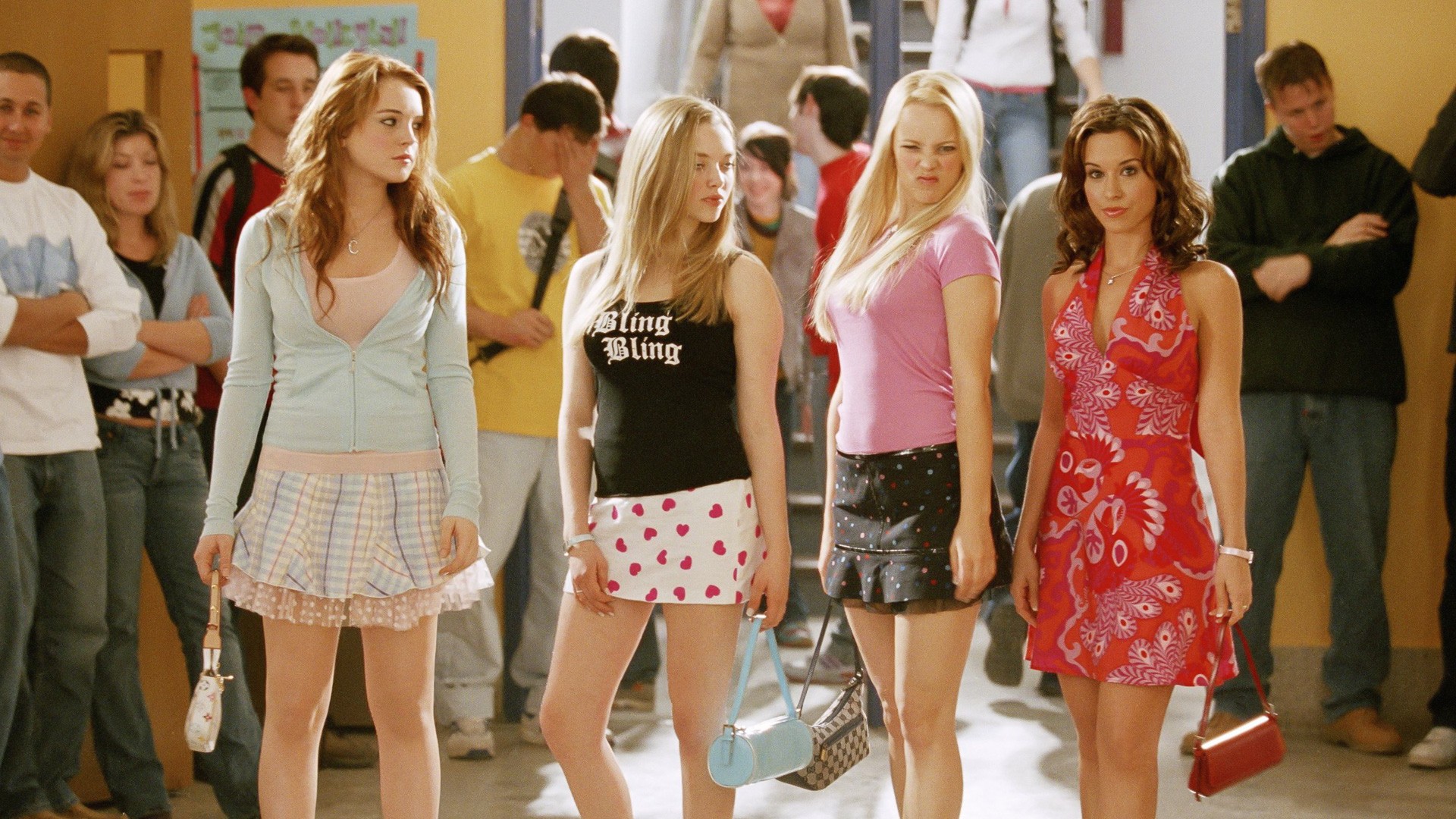
The affluent Chicago suburb of Evanston, Illinois—made famous by the 2004 film Mean Girls —has seen significant increases in the cost of living over the past two decades. A look at income and housing data reveals just how much more expensive it is to live there today compared to 2003. This matters because it highlights broader trends in American wealth distribution and the increasing unaffordability of desirable suburban areas.
Income Growth: A Shifting Landscape
In 1999, Evanston’s median household income was already above national averages: $56,335, compared to $46,590 for Illinois and $40,816 for the U.S. as a whole. By 2023, those figures had risen sharply. Evanston’s median household income reached $95,766, surpassing both Illinois at $83,211 and the national average of $83,730. This indicates a faster pace of income growth in Evanston than in the state or country overall.
Housing Costs: A Dramatic Increase
The most substantial change is in housing prices. In 2003, the average home in Evanston sold for between $200,000 and $400,000, while the Illinois average was $286,000 and the U.S. average $230,200. Fast forward to 2026, and those numbers have skyrocketed. The average Evanston home now costs $450,551, compared to $277,191 in Illinois and $357,275 nationally.
This disparity shows that Evanston’s housing market has outpaced broader national trends. The rapid increase is likely due to factors such as limited supply, high demand driven by proximity to Chicago and Northwestern University, and rising property taxes.
Rental Market: A Consistent Climb
While specific Evanston rental data from 2003 is scarce, average rent in Cook County (where Evanston is located) ranged from $649 to $1,298 depending on bedroom count. The Illinois average was $277 to $1,298, and the U.S. average was $719. Today, the cost of living in Evanston is 35% higher than the national average, with housing being 127% more expensive.
The Bottom Line
Evanston, Illinois, has always been an affluent area, but the cost of living has grown significantly since 2003. Income has increased, but not at the same rate as housing prices, making it increasingly difficult for middle-class families to afford life in the “Mean Girls” suburb. This trend reflects the broader issue of rising housing costs and wealth inequality in many desirable American communities.