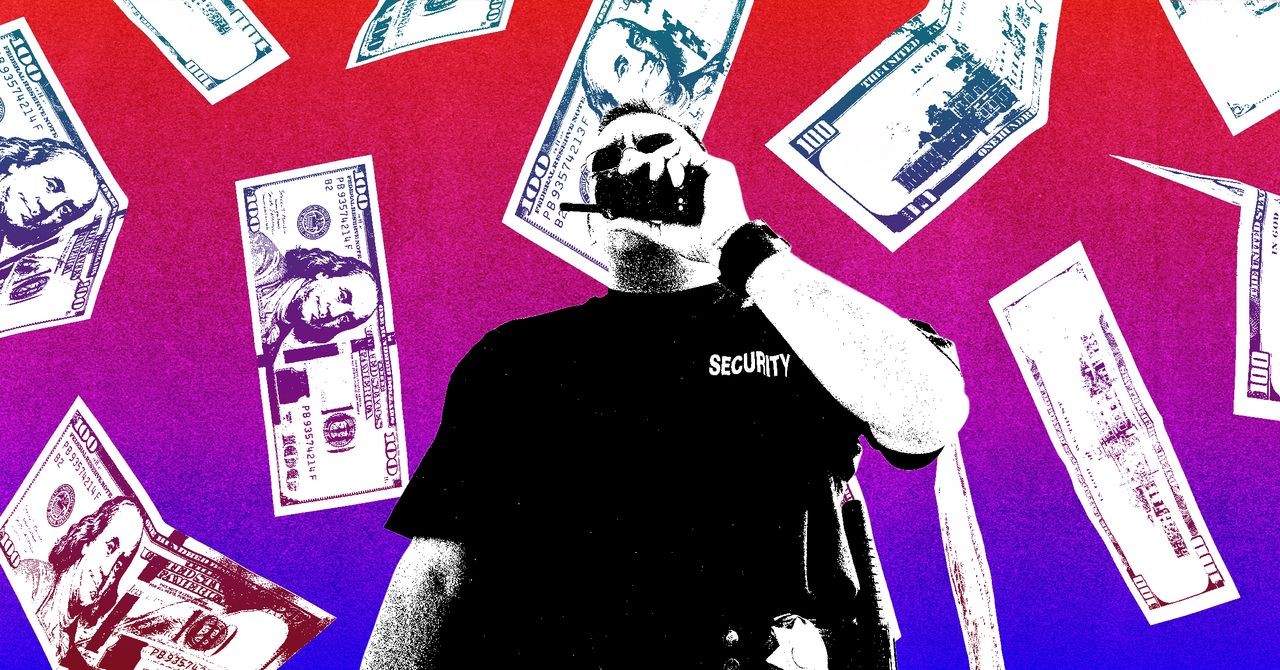
As political polarization intensifies, the price of running for office is no longer just about advertising and grassroots organizing—it is increasingly about physical and digital survival. A new report from the nonpartisan Security Project reveals a staggering surge in security-related expenditures by federal candidates and political action committees (PACs).
During the 2024 election cycle, spending on security was more than five times higher than it was during the 2016 cycle. This financial shift reflects a grim reality: public servants are facing a rapidly escalating wave of violence and harassment.
A Surge in Threats and Targeted Violence
The spike in spending is a direct response to a dramatic rise in threats against officials and their families. The data paints a disturbing picture of the current political climate:
- Family Vulnerability: Research from the Public Service Alliance shows that reported threats against the families of public servants skyrocketed by 3,700% between 2015 and 2025.
- Localized Escalation: In Minnesota, a recent investigation found that threats against State Capitol workers jumped from 18 incidents in 2024 to 92 in 2025, with dozens more occurring in early 2026.
- Bipartisan Impact: Violence is not confined to one ideology. From vandalized law offices to targeted shootings, officials from both major political parties report being targets of harassment and physical attacks.
“No candidate, regardless of party… should have to weigh serving in public office against threats to them or their families,” says Justin Sherman, interim vice president of the Security Project.
Where the Money is Going: Physical vs. Digital Defense
The report, which analyzed Federal Election Commission (FEC) data over the last decade, identifies two primary areas where campaign budgets are being diverted toward protection:
1. Digital Security
As political warfare moves online, the cost of protecting digital footprints has exploded. Spending on services like data deletion and online threat monitoring rose nearly 400%, from approximately $184,000 in the cycle eight years ago to over $900,000 in the 2023–2024 cycle.
2. Physical Home Security
Protecting the private residences of candidates has also become a priority. Spending on home security measures—such as alarms and fencing—more than doubled from the 2017–2018 cycle ($130,000) to the 2023–2024 cycle (over $300,000).
The Legislative Battle for Protection
Because current laws are often outdated, many state legislatures are racing to reform how candidates can fund their own safety. Currently, only a handful of states explicitly allow campaign funds to be used for personal security.
Key legislative trends include:
– Redefining Campaign Funds: In Utah, new laws allow candidates to use campaign money for security systems at their homes and offices.
– Protecting Privacy: In Minnesota, following a fatal shooting involving state lawmakers, new bills aim to redact candidates’ home addresses from public campaign filings to prevent stalking.
– State-Funded Security: The National Conference of State Legislatures (NCSL) has launched a fund to provide equal security resources—such as privacy monitoring and self-defense training—to all legislators, regardless of party.
Why This Matters for Democracy
The escalating cost of security raises a fundamental question about the accessibility of public service. When running for office requires significant financial resources just to ensure basic physical safety, it creates a barrier to entry. This trend risks turning public service into a privilege reserved only for those who can afford to protect themselves, potentially sidelining diverse voices who lack the personal or campaign wealth to mitigate these risks.
Conclusion: The massive increase in political security spending is a symptom of a deeper crisis: a rise in politically motivated violence that is forcing lawmakers to prioritize personal safety over traditional campaigning, fundamentally altering the landscape of public service.