


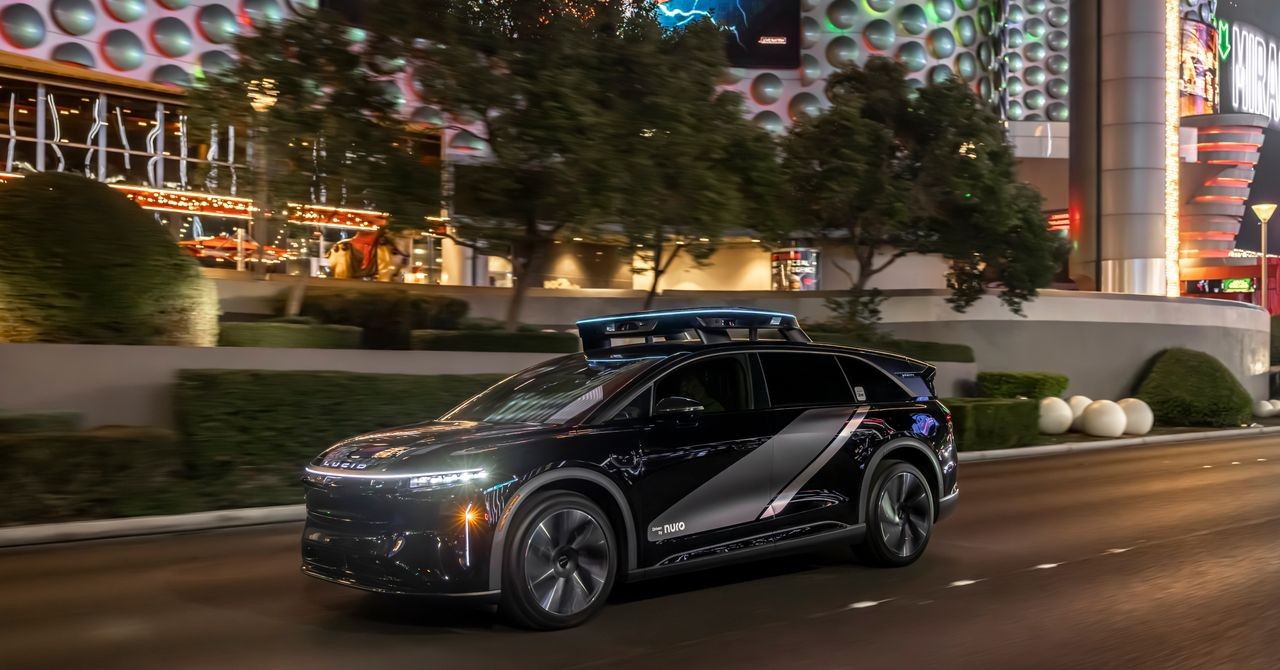
The annual Consumer Electronics Show (CES) in Las Vegas was once a pivotal stage for automakers. However, this year marked a stark departure: cars were conspicuously absent. What was once a battleground for automotive innovation has quietly shifted, signaling deeper industry trends and a changing global power dynamic. The lack of new vehicle reveals isn’t just a matter of timing; it reflects a critical moment for the US car industry and the wider automotive landscape.
The Rise and Fall of Automotive Presence at CES
A decade ago, CES was a must-attend event for carmakers eager to borrow credibility from Silicon Valley. The shift began with the EV boom, where companies like Mercedes-Benz openly acknowledged CES as second only to Detroit in importance. But that era is over. Today, automotive technology is no longer a novelty; it’s an expectation. The industry has industrialized electrification, software, and advanced driver-assistance systems (ADAS), making the spectacle of a Las Vegas stage unnecessary.
The Center of Gravity Shifts to China
The real story behind the vanishing cars is the global realignment of automotive power. China has rapidly emerged as the leader in EV innovation, software integration, and manufacturing speed. While US sales numbers falter and some manufacturers even discontinue plug-in hybrids, Chinese giants like BYD are surging ahead, overtaking Tesla in global sales.
“Shanghai has become more strategically important than CES for many manufacturers because that’s where the fastest innovation cycles, supply chains, and consumer demand now sit.”
— Andy Palmer, former COO of Nissan and former CEO of Aston Martin Lagonda
Chinese automakers aren’t just dominating their home market; they’re actively seeking new platforms to showcase their advancements. With CES off the table due to US market uncertainties, they’ve turned their attention to Europe’s IAA Mobility in Munich, investing heavily in its prominence.
Why the US Market Is Stuck in Neutral
The absence of new American cars at CES is symptomatic of a deeper issue: the lagging state of the US auto industry. Political factors, such as Trump’s openness to combustion engines, and slow adoption of EVs due to tax credit expirations contribute to this stagnation.
Meanwhile, China operates on a drastically faster timeline. Their lead time from research and development to market delivery averages two years, compared to the seven years typical for traditional manufacturers. This speed makes annual events like CES obsolete for staying competitive.
The Future of Automotive Showcases
The industry consensus is clear: the future of automotive showcases lies elsewhere. China’s auto expos in Shanghai and Beijing are now the primary stages for signaling innovation and dominance. The US market, grappling with internal challenges, is no longer the focal point.
For CES, or US auto brands, to regain relevance, a seismic shift in vehicle evolution will be necessary. But given the current trajectory, even that may come too late. The speed of innovation in China means that by the time the next major show is planned, new products will already be in the market. The industry has moved on, and the era of automotive spectacle in Las Vegas is fading into the rearview mirror.


