The economic climate is shifting, and even high-net-worth individuals are adjusting their spending habits. While luxury purchases were once considered a given for the affluent, several key areas are now facing cutbacks as uncertainty rises. This isn’t about struggling to afford essentials; it’s about reevaluating discretionary spending in a volatile market.
Vacation Homes: A Declining Priority
Second and third homes are among the first luxuries to be reconsidered. High interest rates, increasing property taxes, and the logistical challenges of managing multiple properties are driving this trend. As Keith L. Magness, CEO of Magness Law, explains, affluent families are now less inclined to maintain the financial burden of vacation properties. This reflects a broader shift toward financial prudence, even among those who can technically afford extravagance.
Smart Home Tech: Trading Complexity for Simplicity
The “smart home” craze is losing steam. Many homeowners, regardless of income, are experiencing “tech fatigue,” tired of managing countless apps and unreliable systems. Daysi Hernandez, an interior design assistant at Boudreaux Design Studio, notes a growing desire for simplicity. Instead of endless connectivity, many are opting for functional, timeless spaces, reducing both costs and digital dependency.
Furniture: Holding Off on Upgrades
New furniture purchases are being delayed across the board, including among the wealthy. Melanie Musson, a finance expert with Quote.com, observes that affluent consumers are holding onto cash rather than refurnishing. This suggests a cautious approach to non-essential spending, driven by economic uncertainty.
High Fashion: Value Over Trends
Even luxury fashion shoppers are becoming more selective. Bobby Ghoshal, CEO of Dupe.com, points out that wealthy consumers are now seeking deals and prioritizing staple pieces over trend-driven purchases. The focus is shifting from conspicuous consumption to more practical investments in lasting items.
Travel: Rethinking Ultra-Premium Experiences
Extravagant travel sprees are also being scaled back. Inflation has made luxury trips to destinations like Rome or the Bahamas less appealing, even to those who could easily afford them. Ghoshal explains that affluent consumers are becoming more cautious about spending on what they perceive as “wasteful experiences.”
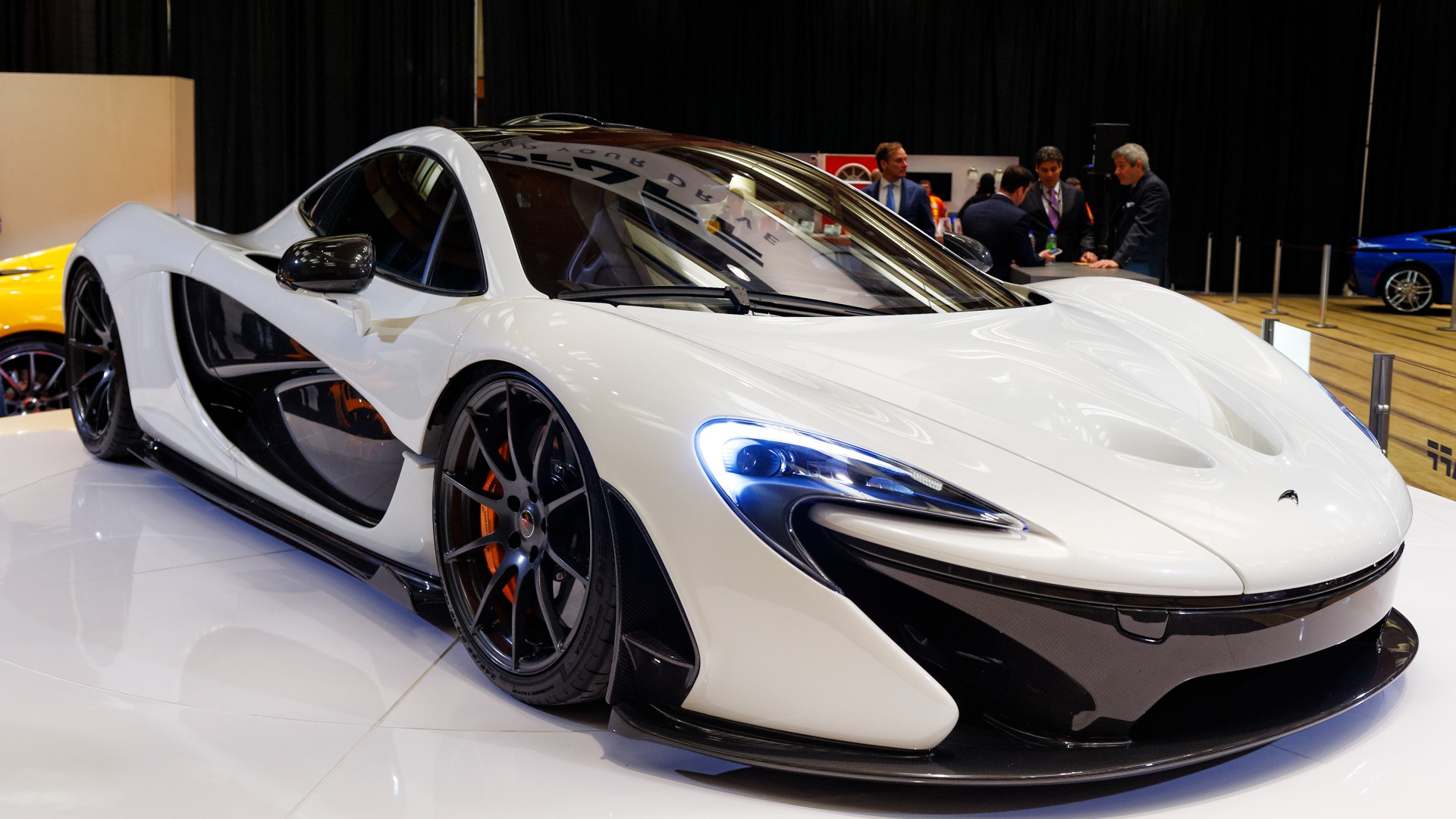
Collector Cars: A Slowing Market
The classic car market, once a favored playground for the wealthy, is experiencing a slowdown. Melanie Musson observes that high-net-worth individuals are less eager to expand their collections, waiting for market stability before making significant investments. This indicates a willingness to delay purchases until conditions improve.
In conclusion, the shift in luxury spending reflects a broader trend of financial caution across all income levels. Even the wealthiest are prioritizing stability and value over extravagant purchases in an uncertain economic environment. This recalibration suggests that luxury consumption is not immune to external pressures, and even the most affluent are adjusting to the new reality.