


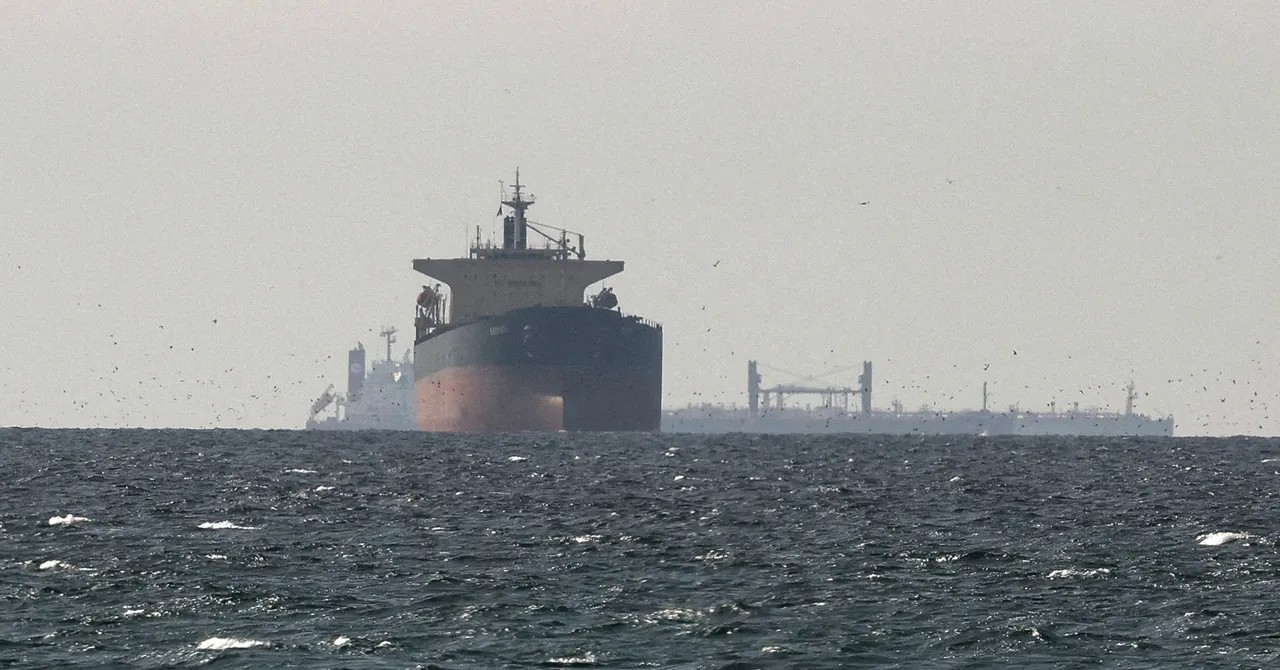
The escalating conflict in Iran has pushed global energy markets to the edge of a worst-case scenario. Recent strikes by both Israel and Iran on key oil and gas infrastructure have disrupted supply lines, driving prices higher and threatening severe economic consequences. The International Energy Agency (IEA) has urged consumers to reduce energy consumption – working from home, driving slower, and limiting gas stove use – to mitigate the immediate impact of price shocks.
Strait of Hormuz Blockade and Infrastructure Damage
The situation is dire: The conflict effectively closed the Strait of Hormuz, a vital shipping route for Middle Eastern oil and gas exports, including those from OPEC nations. Oil prices spiked above $100 per barrel following the initial attacks, levels not seen since Russia’s invasion of Ukraine in 2022.
However, the situation worsened as missile strikes began targeting production facilities directly. Israeli strikes on Iran and Qatari gas fields, particularly the South Pars field (the world’s largest), were met with Iranian retaliation, damaging crucial energy infrastructure. QatarEnergy estimates 17% of its LNG capacity is offline for the next five years, forcing it to invoke force majeure on contracts with European and Asian buyers.
This level of damage is not easily reversible. Once conflicts end, sustained higher oil prices are likely due to production losses. The IEA has warned that this is the greatest threat to global energy supply in history, with financial markets underestimating the full impact.
Economic Ripple Effects: Depressionary Conditions
Analysts warn that the potential disruption is comparable to the global demand shock of the 2020 pandemic, but without the corresponding shutdown measures. Rory Johnston, an oil market researcher, bluntly states that prolonged closure of the Strait could trigger “depressionary” conditions: no cars, no planes, but no pandemic-related lockdowns to compensate.
The US will not lose direct oil and gas supply, but consumers will feel the effects through rising fuel prices and increased costs for goods transported by truck. Higher fertilizer prices, vital for spring planting, will further strain the economy. Airlines are already raising fares and cutting flights due to fuel costs.
Commodity Supply Chain Disruption
The war does not only impact energy: petrochemical production, semiconductor materials, and other crucial commodities are also choked off. The crisis exposes the fragility of global supply chains and the interconnectedness of the world economy.
White House Uncertainty Exacerbates Crisis
The situation is further complicated by inconsistent messaging from the Trump administration. The lack of a clear exit strategy or defined objectives fuels market uncertainty. While the administration has taken emergency measures, such as temporarily waiving the Jones Act, the threat of escalation remains high. Trump has explicitly threatened massive retaliation against Iran if Qatar is attacked again.
The current crisis has exceeded even pessimistic expectations. The depth of the conflict has shocked experts, underscoring the gravity of the situation.
The ongoing war in Iran represents an unprecedented threat to global energy security and economic stability, with potential consequences far exceeding those of previous conflicts. Failure to de-escalate could trigger a severe global recession or worse.


