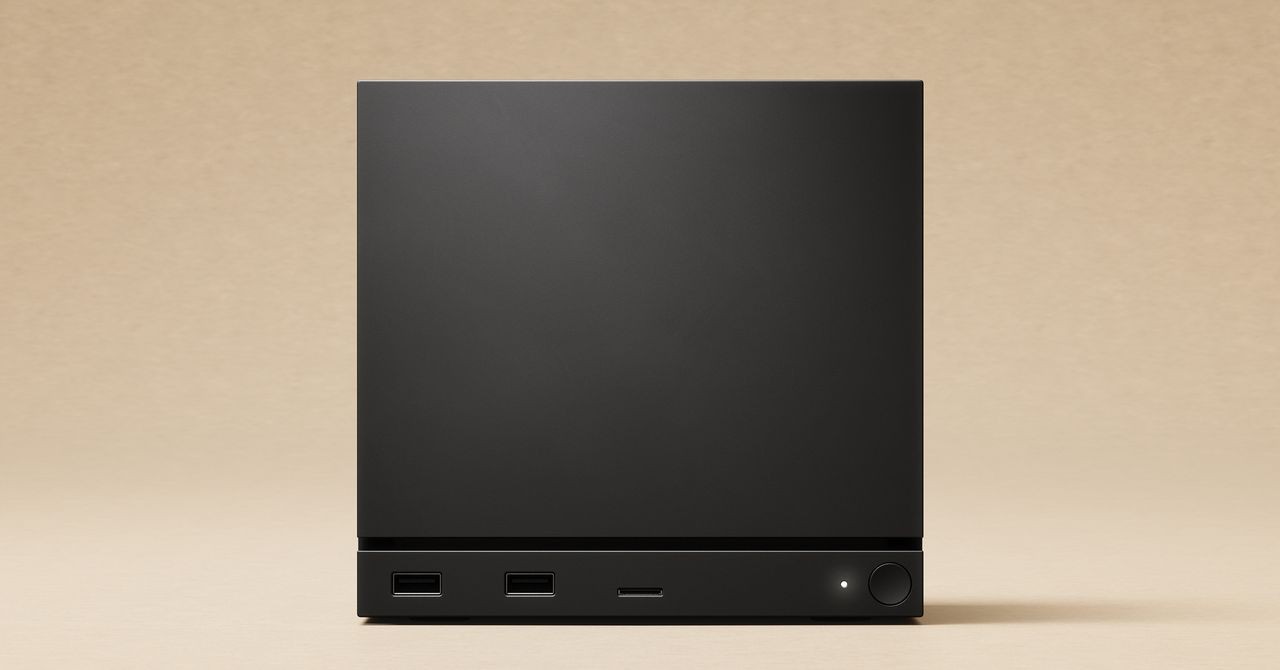
Valve’s latest hardware push, including a revamped Steam Controller and updated VR headset, has generated excitement, but the real story is the new generation of Steam Machines. Designed for seamless integration into living rooms, these devices blur the line between PC and console, despite Valve’s insistence otherwise. This isn’t a misstep; it’s a calculated move reflecting a changing gaming landscape.
The Evolution of PC Gaming in the Living Room
The original Steam Machines, launched in 2015, failed to gain traction. However, the market has shifted dramatically. The success of the Steam Deck—along with competitors like the Xbox handheld—and the overall growth of PC gaming create a fertile ground for a new approach. Valve avoids calling it a console, but the new Steam Machine functions as one in every meaningful way.
The central question is: what defines a console? Traditionally, it’s a device with uniform hardware, built by a single company, designed for TV gaming. PCs are modular, customizable, and often desk-bound. But these differences are eroding.
The Blurring Lines of Gaming Platforms
Digital game sales now dominate across all platforms. In the US, physical game sales have halved since 2021, representing a decline of over 85% from their 2008 peak. This means both console and PC gamers primarily purchase games digitally, diminishing the walled-garden advantage of consoles. Steam’s dominance—with a 75% market share and near-monopoly status—further narrows the gap. Most PC gamers rely on Steam for convenience, just as console players stick to their respective digital storefronts.
Hardware is also converging. The PlayStation 5 already offers variations in storage and upgrade paths, resembling PC modularity. Valve’s new Steam Machine, with its fixed specs and minimal customization options, is a deliberate departure from the original, chaotic Steam Machine ecosystem.
The New Steam Machine: A Console in Disguise
The new Steam Machine is a static, self-contained unit designed for 4K gaming at 60 FPS via a semi-custom AMD CPU and GPU. It offers limited upgrade options—512GB or 2TB SSD storage expandable via microSD. This contrasts sharply with the original Steam Machines’ open-spec approach. The device’s form factor (roughly the size of a GameCube) and swappable faceplates further mirror console design trends.
Valve is also expanding its “Deck Verified” program to rate game compatibility on Steam Machines, reinforcing the console-like experience. The SteamOS interface, now refined with Big Picture Mode, provides a streamlined, ad-free gaming environment comparable to PlayStation or Xbox dashboards.
Why Valve Won’t Call It a Console—and Why It Doesn’t Matter
Valve avoids the “console” label to protect its PC gaming identity. But the reality is clear: the Steam Machine delivers the convenience of a console without sacrificing access to the broader PC gaming ecosystem. This makes it ideal for players who want a plug-and-play experience on their TV.
Convenience trumps customization for many gamers. The Steam Machine offers a simpler, more accessible way to enjoy PC games in the living room, especially given Steam’s vast library of over 18,500 titles. While some users may tinker with the hardware or install alternative operating systems, the majority will likely treat it as a traditional console—plug it in, grab a controller, and play.
The new Steam Machine isn’t just a PC; it’s a strategically designed console that capitalizes on the evolving landscape of gaming. Ultimately, the label is irrelevant. What matters is that it provides a compelling, streamlined gaming experience for those who want it.