


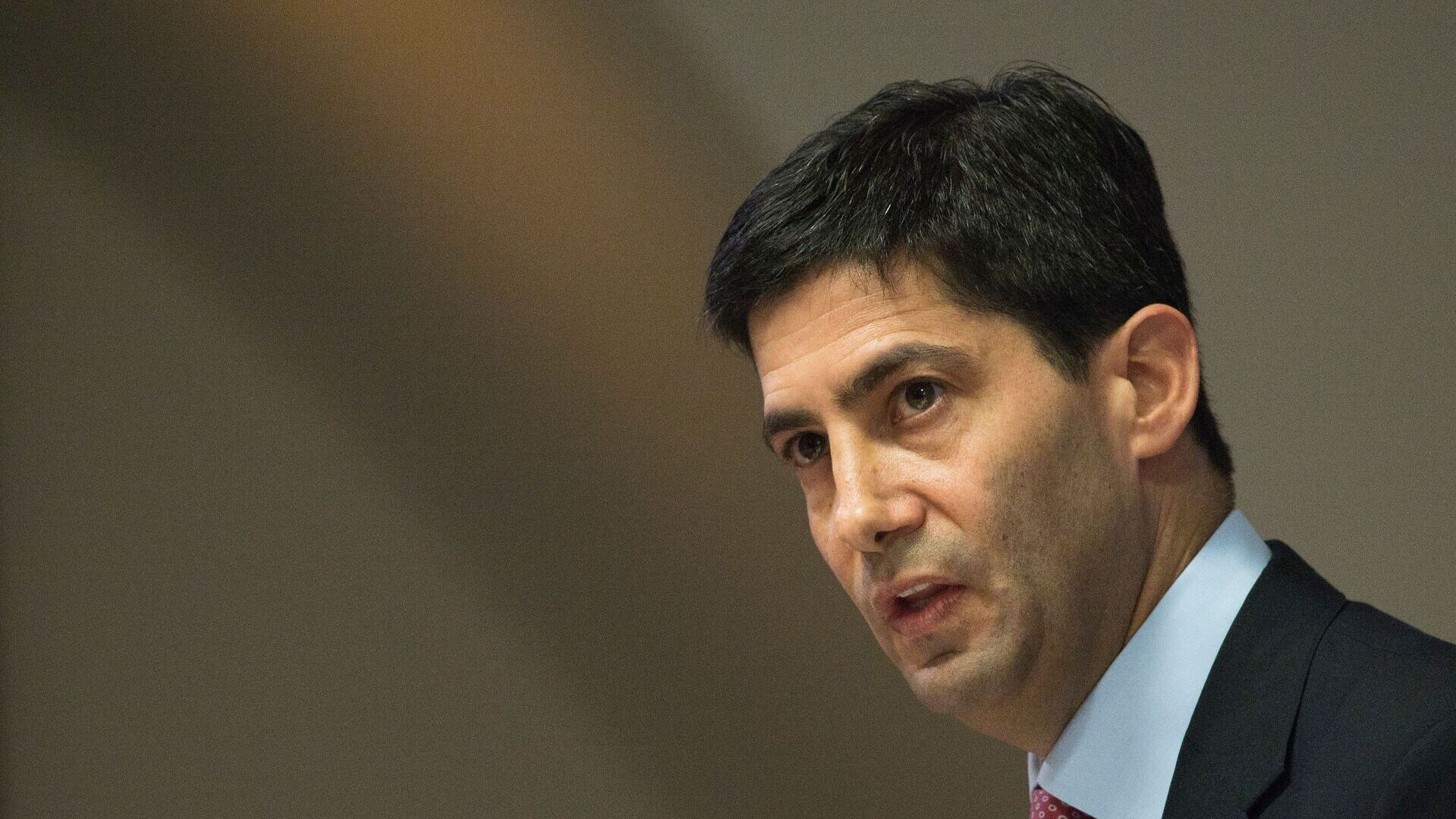
Donald Trump has announced his intention to nominate Kevin Warsh as the next chair of the Federal Reserve, replacing Jerome Powell. This move, made via a Truth Social post on January 30th, signals a potential shift in monetary policy and raises key questions about the future of interest rates and their impact on consumers and investors.
Warsh’s Background and Potential Confirmation
Warsh, a former Fed governor, White House advisor, and Wall Street banker, is considered a conventional candidate despite Trump’s repeated criticisms of the Fed under Powell. He is expected to face confirmation by a Republican-controlled Senate, making his approval likely. While the initial market reaction was mixed, with stocks trending lower, the nomination has eased some fears about further political interference in the Fed’s independence.
Historical Context: Trump vs. Powell
The nomination stems from ongoing tensions between Trump and Powell over interest rate policy. Trump has consistently pressured the Fed to lower rates, arguing they hinder economic growth. Powell resisted aggressive cuts due to persistent inflation, eventually approving a series of reductions in late 2025 that did boost stock markets. This pattern of conflict highlights the unusual degree to which Trump seeks to influence the central bank—a practice that erodes trust in its independence.
Warsh’s Governing Style: A Balanced Approach?
Warsh’s experience suggests a more moderate stance than some might expect from a Trump nominee. A Stanford and Harvard-educated lawyer with a background in investment banking at Morgan Stanley, he served on the Fed’s board from 2006 to 2011 and advised President George W. Bush on economic policy.
Experts like Scott Helfstein of Global X ETFs have called Warsh a “good pick,” noting his past opposition to overly aggressive rate cuts due to inflation concerns. This suggests Warsh may prioritize price stability over immediate economic stimulus, a departure from Trump’s stated preferences.
What This Means for Your Wallet
The impact on consumers and investors remains uncertain. Lauren Goodwin, Chief Market Strategist at New York Life Investments, points out that a change in Fed chair alone won’t necessarily accelerate rate cuts in 2026. The FOMC’s 12 voting members ultimately control policy, not just the chair.
However, Warsh has expressed interest in reducing the Fed’s balance sheet—a move that could destabilize rates markets and ripple through equities and credit spreads. This could mean increased volatility in financial markets, impacting both investors and borrowers.
“There is more wood to chop on inflation,” says Helfstein, underscoring that the central question remains whether price increases are driven by tariffs or inflationary expectations.
In conclusion, while Warsh’s nomination may not immediately reshape economic policy, his focus on Fed independence and potential balance sheet reduction could introduce new risks to financial stability. Consumers and investors should monitor these developments closely, as they will likely influence interest rates, market volatility, and the overall economic outlook.


