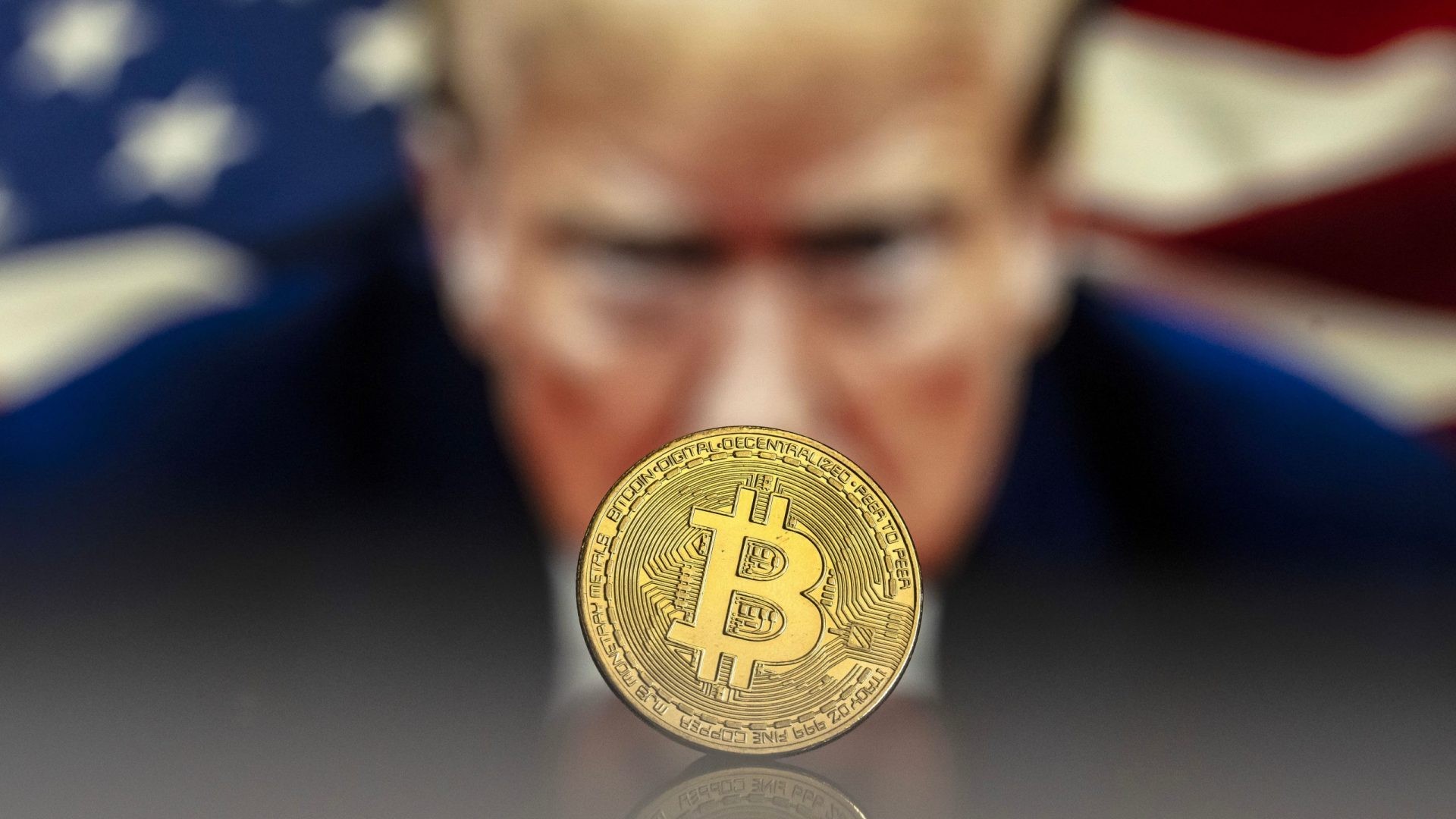
Former President Donald Trump has publicly accused major U.S. banks of actively working to obstruct crypto-friendly legislation, threatening to derail his vision of establishing the United States as the world’s leading “Crypto Capital.” The dispute centers around two key pieces of legislation: the recently passed Genius Act and the proposed Clarity Act.
The Core Conflict: Banks vs. Crypto Yields
The central issue is yield-bearing stablecoins. The Genius Act, signed into law last July, restricts stablecoin issuers from directly offering yields to users. However, third-party exchanges like Coinbase can distribute yields, a loophole that traditional banks fear will siphon trillions in deposits. According to industry estimates, up to $6 trillion in bank deposits could migrate into stablecoins if yields are widely available.
Banks argue this would create an unfair competitive disadvantage. Allowing stablecoin yields would distort the market by undercutting insured deposits and reducing their lending capacity. As Igor Pejic, a tech investing strategist, points out, this isn’t just about competition – it’s about systemic risk: “Even limited yields risk massive deposit flight, eroding Main Street lending capacity and potentially choking off economic growth.”
Trump’s Stance: Prioritizing Crypto Growth
Trump insists that Americans should benefit from increased returns on their assets, not banks suppressing the crypto industry. He claims that if the U.S. fails to act decisively, the crypto market will inevitably shift to countries with more permissive regulations. His goal is to finalize the Clarity Act, which he believes will cement the U.S.’s position as a global crypto leader.
However, the narrative of a regulatory exodus may be overstated. While other nations have their own restrictions, none currently offer significantly more favorable conditions for digital assets. The EU and the UK ban stablecoin yields, and China has outright prohibited stablecoins. Many digital asset firms still prioritize the U.S. market due to its access to capital and relative regulatory clarity.
Implications for Investors
The standoff between banks and the crypto industry has direct implications for investors. The ability of stablecoins to offer competitive yields could significantly alter the financial landscape, drawing capital away from traditional institutions. This would likely accelerate the adoption of decentralized finance (DeFi) solutions, potentially reshaping the future of banking.
The outcome of this debate will determine whether the U.S. maintains its edge in the rapidly evolving digital asset market, or cedes ground to other nations. The stakes are high, and the conflict between traditional finance and the crypto industry shows no signs of easing.
Ultimately, the future of crypto in the U.S. hinges on whether lawmakers prioritize innovation and investor returns over the concerns of established banking interests.