


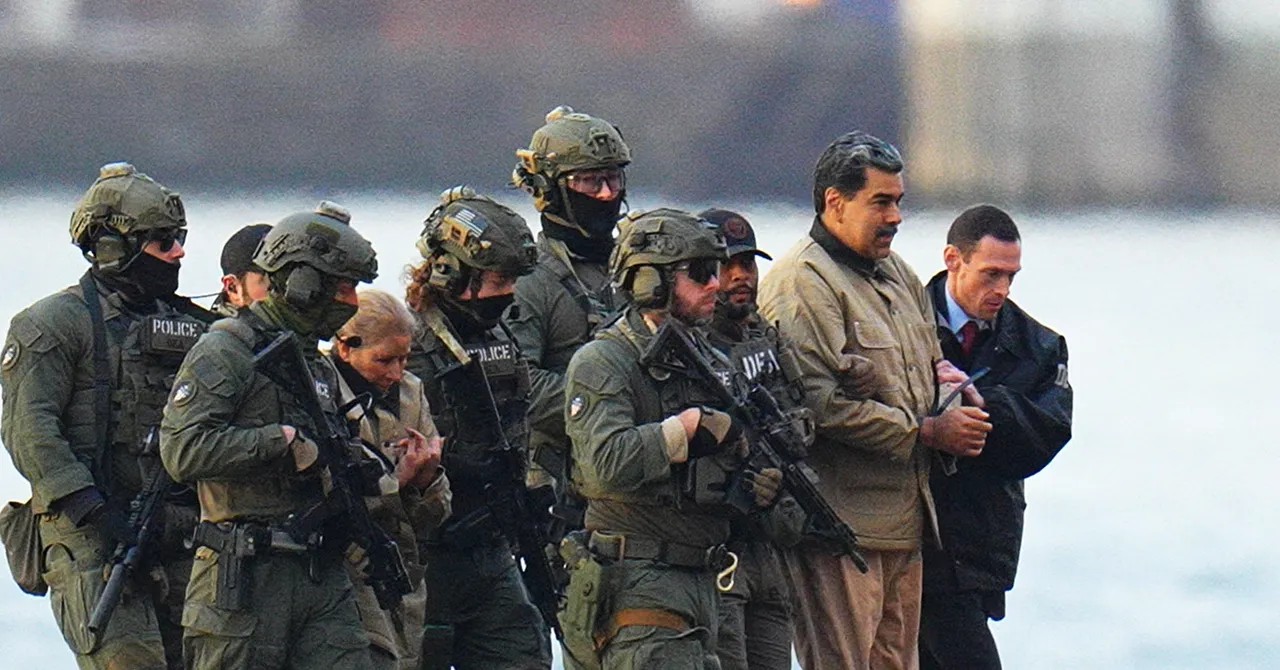
A US Army Special Forces master sergeant has been arrested for allegedly using classified information to reap massive profits on Polymarket, a leading prediction market platform. The Department of Justice (DOJ) alleges that Gannon Ken Van Dyke leveraged nonpublic details regarding a US military operation to capture Venezuelan President Nicolás Maduro to secure more than $400,000 in profits.
This case marks a significant legal milestone: Van Dyke is the first individual to be charged with insider trading on a prediction market in the United States.
The Alleged Scheme: From Classified Intel to Crypto Profits
According to court documents, Van Dyke was stationed at Fort Bragg and assigned to the Army’s Special Operations Command Western Hemisphere Operations. Prosecutors allege he was directly involved in the planning and execution of the raid to extract Maduro.
The timeline of the alleged illicit activity is as follows:
– December 26: Van Dyke allegedly opened a Polymarket account and transferred approximately $35,000 from his bank account via a cryptocurrency exchange.
– Late December: He began placing bets on Venezuela-related outcomes, including a contract wagering that US forces would be in Venezuela by early 2026.
– January 2: Just hours before the overnight extraction operation took place, Van Dyke allegedly placed three massive transactions totaling over 250,000 shares on a contract predicting Maduro would be out of power.
– The Payout: Following the successful raid on January 3, the contract resolved, and Van Dyke allegedly sold his positions and withdrew his funds.
To hide his tracks, the indictment claims that after news of a massive anonymous payout surfaced, Van Dyke requested that Polymarket delete his account and changed his cryptocurrency email to an alias.
A Growing Regulatory Crisis for Prediction Markets
The arrest of Van Dyke highlights a systemic vulnerability in the rapidly growing prediction market industry. Platforms like Polymarket and Kalshi allow users to bet on real-world events—ranging from elections to military conflicts—creating a high-stakes environment where “information asymmetry” can lead to massive corruption.
This case is part of a broader, troubling trend:
– Global Precedent: In February, Israeli authorities arrested two individuals for allegedly leaking classified information to make wagers on Polymarket regarding military operations.
– Political Scrutiny: US lawmakers have expressed growing alarm that public servants could use sensitive intelligence to manipulate these markets. Senator Chris Murphy recently suggested that high-level officials could potentially influence foreign policy decisions to benefit their own market positions.
– Regulatory Pressure: The Commodity Futures Trading Commission (CFTC) is facing intense pressure to oversee these platforms more strictly. While some competitors like Kalshi have begun internal enforcement, the broader industry remains a “gray area” for many regulators.
“The defendant was entrusted with confidential information about US operations and yet took action that endangered US national security and put the lives of American service members in harm’s way.” — Michael Selig, CFTC Chair
Legal Consequences and National Security Implications
Beyond the financial fraud, the DOJ emphasizes the danger Van Dyke’s actions posed to national security. By allegedly using his position to profit from sensitive military movements, he breached multiple nondisclosure agreements and compromised the secrecy required for Special Operations.
Van Dyke faces five counts, including multiple violations of the Commodity Exchange Act. If convicted on all counts, he faces a maximum sentence of 60 years in prison.
Conclusion: The arrest of Gannon Ken Van Dyke serves as a landmark warning to both military personnel and market participants, signaling that the DOJ intends to aggressively police the intersection of classified intelligence and decentralized prediction markets.


