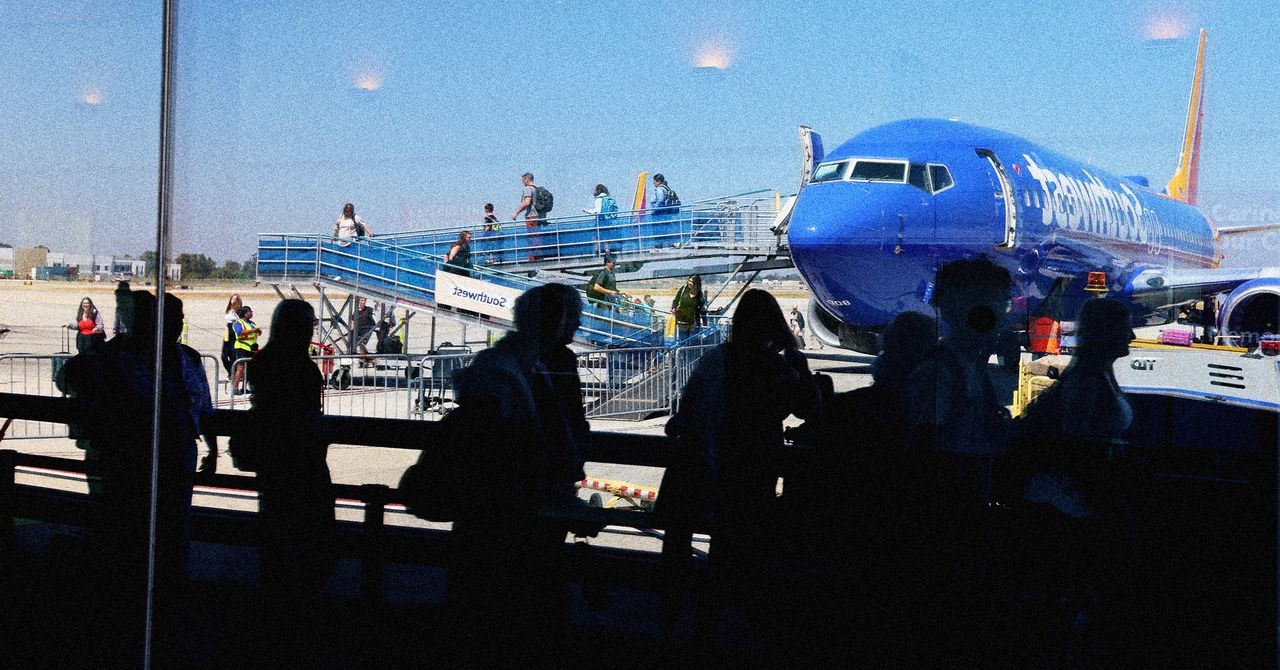
For decades, Southwest Airlines stood out for its first-come, first-served boarding policy. Passengers who checked in early secured their preferred seats by lining up in the cabin. Now, that era is over. The airline has switched to assigned seating, the final step in aligning its operations with standard industry practices. While the change aims for faster boarding times, the reality is more complex.
The Shift to Assigned Seating
Southwest’s new system assigns passengers to boarding groups based on seat location, using the “Window-Middle-Aisle” (WILMA) method. This process, common among airlines, minimizes aisle congestion and allows window seat passengers to stow luggage before others board. United Airlines, which reintroduced WILMA in 2023, claims it saves valuable time – a critical factor in a business where speed equates to revenue.
The Catch: Profit-Driven Complications
However, Southwest’s boarding process has added layers of complexity. The airline now prioritizes passengers willing to pay extra for early boarding or premium seating. Those with “priority boarding” fares, frequent fliers with high status, and customers who purchased “extra legroom” seats board first. Only then do standard economy passengers get their turn.
The Financial Impact
Southwest anticipates increased revenue from these changes. The airline expects an additional $1.5 billion annually by next year, driven largely by the new “extra legroom” seats, which launched in May. The airline also claims passengers want assigned seating, justifying the shift despite its inefficiencies.
Efficiency vs. Revenue
Experts warn that these additional perks slow down the boarding process overall. John Milne, an engineering management professor at Clarkson University, points out that airlines are “generally worse” at loading planes quickly due to these revenue-focused strategies.
“They’re trying to get the extra money—I understand that,” says Milne. “But it does slow things down.”
The transition demonstrates that maximizing profit often comes at the expense of streamlined efficiency. Southwest’s new boarding policy underscores a broader trend in the airline industry: prioritizing revenue over passenger convenience.
In short, while airlines talk about optimizing the travel experience, the reality is that financial incentives frequently override practical efficiency. Passengers should expect a more complicated boarding process, as airlines continue to monetize every aspect of air travel.