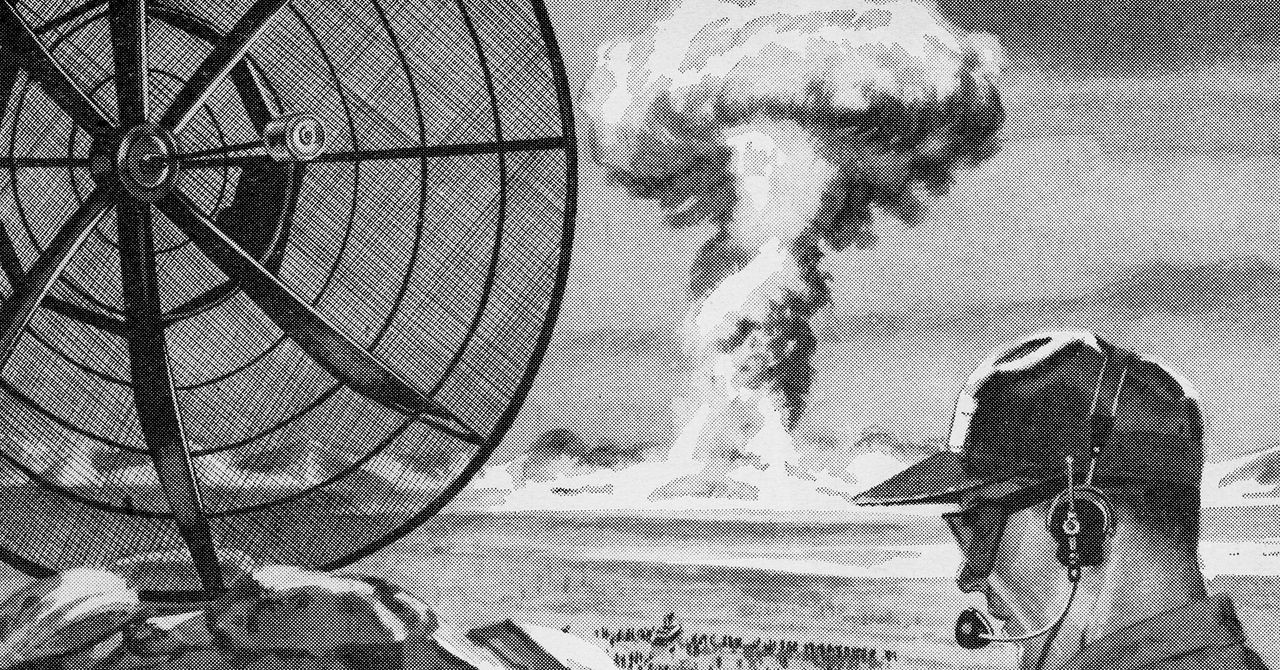
For decades, international treaties have been the primary means of controlling the spread and reduction of nuclear weapons. But with the expiration of key agreements like New START and the breakdown of trust between major powers, those treaties are effectively defunct. Now, a surprising proposal is gaining traction: relying on artificial intelligence and satellite technology to monitor nuclear arsenals in place of traditional on-site inspections.
The shift comes as Russia and the United States rapidly rebuild their nuclear stockpiles, while China expands its own capabilities. Meanwhile, nations like South Korea explore the possibility of developing nuclear weapons, further destabilizing the global landscape. In this environment, the question isn’t whether arms control will fail—it already has—but how to avoid total collapse.
The Rise of “Cooperative Technical Means”
Researchers at the Federation of American Scientists propose a system they call “cooperative technical means.” This involves using existing satellite infrastructure to monitor nuclear facilities remotely, with AI systems processing the data to detect changes or weapon system movements.
Matt Korda, an associate director at FAS, explains that AI excels at pattern recognition. “If you had a large enough dataset, you could train a model to identify minute changes at specific locations and even recognize individual weapon systems.” The key here is that AI would not replace human oversight but would instead filter and prioritize information for review.
Why This Matters Now
The death of treaties like New START isn’t just a procedural failure; it represents the unraveling of decades of diplomatic work. During the Cold War, on-site inspections fostered trust and facilitated the reduction of nuclear weapons from over 60,000 to just over 12,000. Today, that trust is gone, replaced by suspicion and an accelerating arms race.
The new proposal isn’t about disarmament; it’s about damage control. The goal is to prevent the deployment of hundreds of additional weapons by providing a minimal level of verification. However, the system depends on cooperation. Nuclear powers would need to agree to participate and share data, a proposition that seems unlikely given current geopolitical tensions.
The Challenges: Data, Trust, and AI Reliability
Implementing this system faces several hurdles. First, AI requires massive, high-quality datasets for training. Such data for nuclear weapons is scarce, forcing analysts to build bespoke datasets for each country’s facilities. Second, the success of this approach relies on mutual verification; countries would need to agree on transparent procedures for satellite overflights and data sharing.
Perhaps the most significant challenge is the reliability of AI itself. Experts like Sara Al-Sayed of the Union of Concerned Scientists point out the inherent unpredictability of these systems. AI can fail, ship with security flaws, and operate in ways that even its creators don’t fully understand. This makes it a questionable foundation for a nuclear arms control regime.
“Why would you want to rely on an AI-based verification regime? If you believe that automation is necessary, then you are in this paradigm where you feel like you need to catch every instance of your adversary cheating.” – Sara Al-Sayed, Union of Concerned Scientists
The Bottom Line
The proposal to use AI and satellite technology for nuclear monitoring is an imperfect but pragmatic solution. It acknowledges the failure of traditional arms control while attempting to prevent further escalation. However, the success of this approach hinges on cooperation and the assumption that imperfect verification is better than none at all. Given the current state of international relations, the odds remain stacked against it.