Smart plugs offer a simple way to add remote control to everyday appliances, but their usefulness varies significantly depending on the device. While they can instantly electrify power control to any outlet, not every appliance benefits from this functionality. This guide explores when smart plugs are effective, which devices work best with them, and what limitations to consider.
Understanding Smart Plugs
A smart plug fits into a standard outlet, allowing you to control the power flow to whatever is plugged into it. By connecting to Wi-Fi and a corresponding app (or smart speaker), you can automate on/off schedules, control devices remotely, or even operate them using voice commands.
This is especially useful for devices that require only power to function fully. For example, a lamp with a physical on/off switch can be controlled entirely through the smart plug, turning it on and off on schedule.
Ideal Devices for Smart Plugs
The most effective use cases are simple, on/off devices. Lamps are the prime example, offering easy automation for lighting schedules. Outdoor lights and decorations also benefit from smart plug control, making it easy to manage holiday displays or security lighting.
Beyond lighting, these plugs can manage basic appliances like coffee makers or fans, as long as they remain in an “on” state once power is restored. Some users even employ smart plugs to simulate occupancy by automating lights and TVs, enhancing home security while away.
Devices That Don’t Work Well
Smart plugs aren’t a universal solution. Devices that require manual input after receiving power won’t fully integrate. Electric kettles, for example, need temperature settings selected before heating. Coffee machines often require button presses to initiate brewing. Even some TVs won’t turn on automatically when power is restored; you’ll still need the remote.
This limitation means that while a smart plug can cut power to a device, it can’t fully automate its operation if it requires additional user interaction.
Recommended Smart Plugs
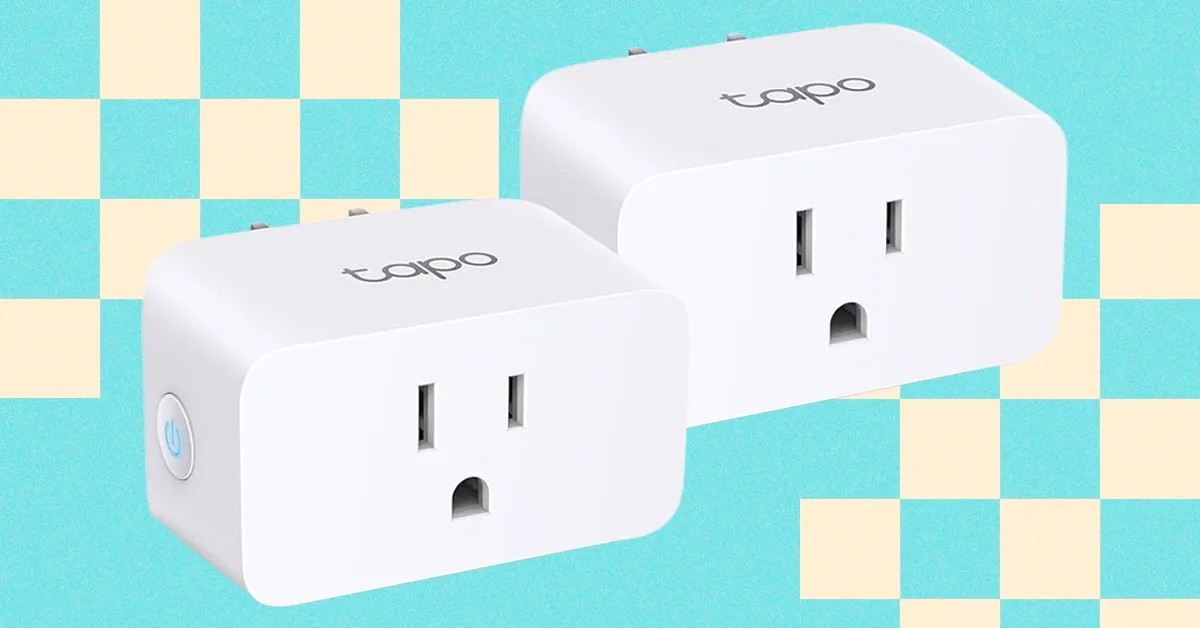
For reliable performance, TP-Link’s Tapo Matter-Certified Smart Plug Mini (P125M) stands out due to its Matter compatibility, simplifying setup with existing smart home hubs. For outdoor use, the Cync Outdoor Smart Plug provides a durable, weather-resistant solution with dual outlets.
Other options exist, but price and brand preference often determine the final choice.
Smart plugs are a useful tool for automating basic power control, but understanding their limitations is crucial. If a device requires more than just power to operate, a smart plug won’t provide the seamless automation some users expect.