


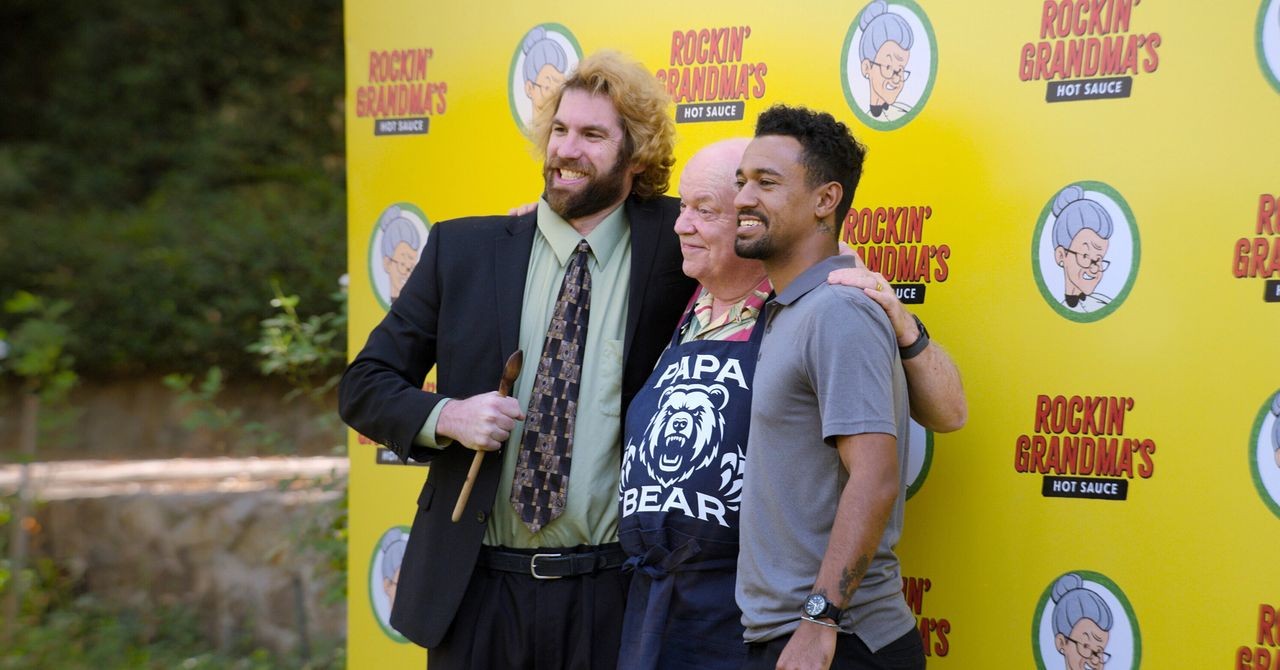
Prime Video’s Jury Duty is back, but this time the deception isn’t confined to a courtroom. The show’s second season, a docu-comedy, infiltrates the world of corporate team-building, where everyone is in on the joke… except for one unsuspecting employee. The premise? A real-life temp worker, Anthony Norman, finds himself the unwitting center of a staged workplace sitcom at Rockin’ Grandma’s Hot Sauce, a small but ambitious California business.
The Setup: A Family Business in Transition
Rockin’ Grandma’s is in a state of flux. Founder Doug Womack is stepping down, leaving his son, Dougie Jr., to prove himself as the next leader. Dougie Jr., fresh off a four-year musical detour in Jamaica, sees the annual company retreat as a chance to shed his “nepo baby” label. The retreat, held at the Oak Canyon Ranch, is designed as a proving ground, complete with team-building exercises, motivational speakers, and even a talent show.
A Cast of Eccentric Characters
The office at Rockin’ Grandma’s is a microcosm of workplace quirks. Helen Schaffer, the accountant, has been “cooking the books” for decades. PJ Green, the receptionist, dreams of snack influencer fame. Anthony Gwinn, hilariously mistaken for a colleague with a… different kind of thermos, is known as “Other Anthony.” And Kevin Gomez, the HR head, embodies the cringe-worthy enthusiasm of a Michael Scott-esque figure.
The Experiment Unfolds
The show quickly dives into the absurdities of corporate culture. Dougie Jr. introduces an “emotions and vulnerability expert” who leads an awkward session on navigating uncomfortable situations. Meanwhile, Kevin’s disastrous attempt to propose to Amy, the customer relations coordinator, ends in public humiliation. Forced to step up, Anthony improvises, becoming the reluctant “Captain Fun” to salvage morale.
Why This Matters: The Human Element in a Changing Workplace
Jury Duty isn’t just about pranking an unsuspecting employee. It taps into a broader cultural anxiety about work in the 21st century. Unemployment is high, AI threatens jobs, and layoffs are rampant. The show’s popularity stems from its ability to highlight the genuine human desire for connection and purpose in a world increasingly defined by automation and instability.
A Surprisingly Heartfelt Take on Corporate Life
Despite the deception, the series captures something real about the appeal of a decent, fulfilling job and a supportive work community. Anthony, despite being the only unaware participant, seems to thrive in the chaos, even helping his colleagues with their side hustles. The show acknowledges that corporate life can be hellish, but also demonstrates the unexpected joy that can be found in in-person interactions.
In a world where many face job insecurity, Jury Duty offers a reminder that even in the most absurd environments, human connection matters. The show’s success is a testament to our enduring fascination with the workplace, from the existential struggles of Mad Men to the eerie autonomy of Severance. Ultimately, Jury Duty reminds us that sometimes, the magic is in the mess.


