For many retirees, a luxury SUV represents more than just transportation; it is a symbol of comfort, safety, and well-deserved leisure. However, living on a fixed income requires careful financial planning. While the initial purchase price is significant, the true cost of ownership extends far beyond the showroom floor.
Understanding the long-term financial impact is crucial. Over a decade, the cumulative costs of depreciation, maintenance, insurance, and complex repairs can transform a status symbol into a substantial financial burden. Here is a breakdown of what retirees should expect when committing to a luxury SUV for the next ten years.
The Silent Wealth Drainer: Depreciation
The most significant financial hit for luxury vehicle owners is not monthly payments, but depreciation. While all vehicles lose value, luxury models do so at a steeper rate due to their higher initial price points.
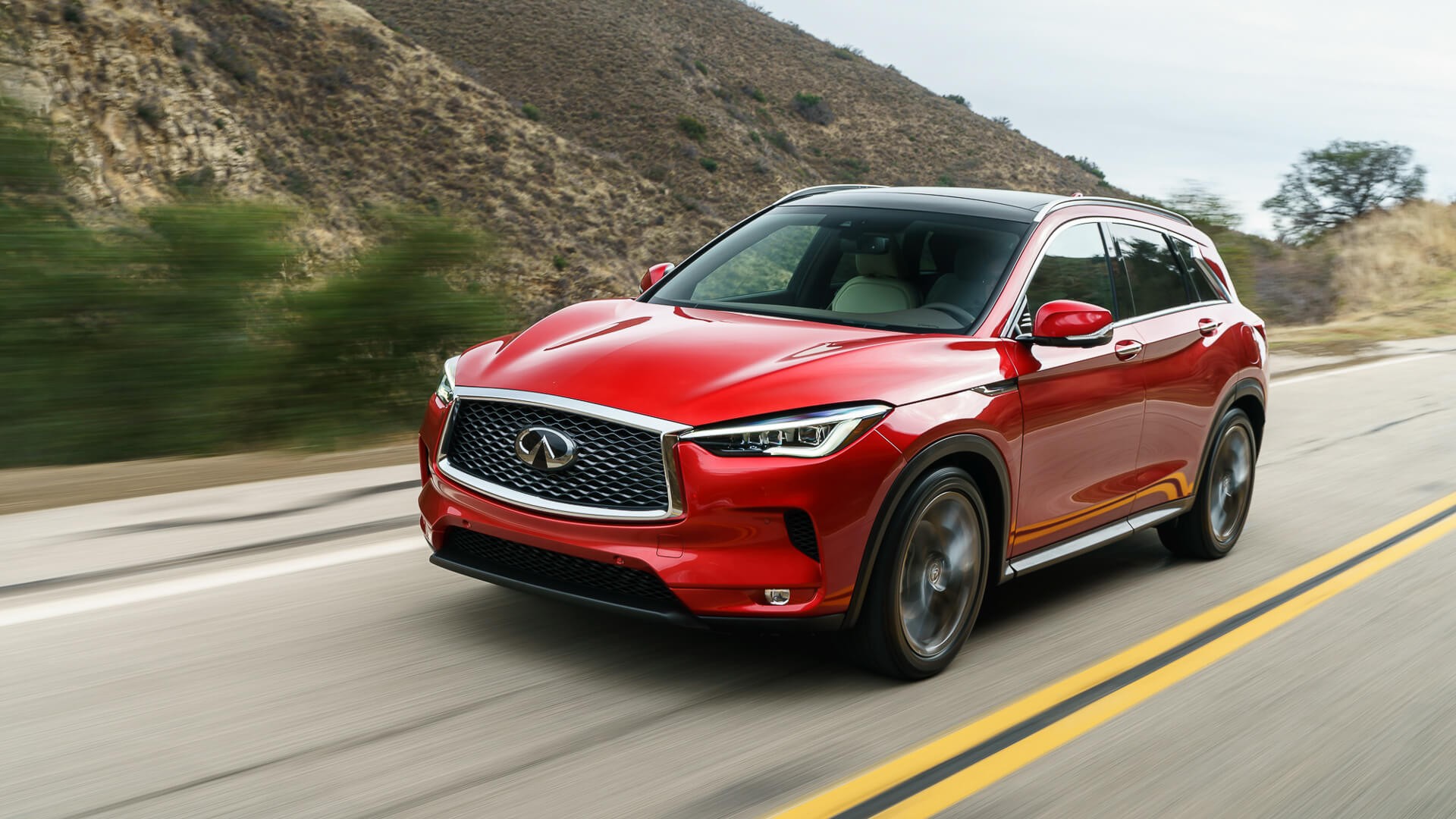
Alan Gelfand, owner of German Car Depot, points to the Infiniti QX50 as a prime example. Even a used model that retains utility suffers from a high starting valuation—with base models starting around $35,345 and top-tier Luxe models reaching $69,950. This high baseline inevitably leads to a massive loss in equity over time.
Melanie Musson, an auto industry expert with AutoInsurance.org, highlights the math behind this erosion of wealth:
* A $30,000 non-luxury SUV losing 50% of its value results in a $15,000 loss.
* An $80,000 luxury SUV losing that same 50% results in a $40,000 loss.
Key Insight: Luxury vehicles depreciate faster and from a higher starting point, meaning owners lose tens of thousands of dollars in asset value compared to those driving standard vehicles.
Rising Maintenance and Repair Bills
Once the warranty expires, the cost of keeping a luxury SUV on the road increases dramatically. Gelfand notes that annual maintenance for wear-and-tear items—such as brake replacements—typically ranges from $1,000 to $2,500 per year.
Over a ten-year period, this translates to $10,000 to $25,000 in routine maintenance alone. For complex European models, these costs can be even higher, particularly after the manufacturer’s warranty has lapsed. Retirees must budget for these predictable expenses, which are often overlooked in initial purchase considerations.
Premium Insurance Costs
Insurance premiums for luxury SUVs are consistently higher than for standard vehicles. This is driven by the vehicle’s replacement value, the cost of specialized parts, and the complexity of repairs.
According to Musson, retirees can expect to pay approximately $3,000 annually for full coverage. While rates vary based on driving history and location, those with violations or claims will face even steeper premiums. Over a decade, this adds another $30,000 to the total cost of ownership.
The Complexity Tax: Technology and Engineering
Modern luxury SUVs are packed with advanced technology, including air-ride suspension systems, turbocharged engines, and sophisticated computerized components. While these features enhance the driving experience, they also introduce significant risk and cost.
Gelfand warns that these complex systems are prone to unforeseen failures. Repair costs for a single incident can range from $2,000 to $6,000. With at least one or two major repairs likely over a ten-year period, these unexpected bills can quickly accumulate. In some cases, the total repair costs over a decade may equal the original purchase price of a new vehicle.
Conclusion
Owning a luxury SUV over ten years is a significant financial commitment that extends far beyond the initial purchase price. Between steep depreciation, rising maintenance costs, high insurance premiums, and complex repairs, retirees should anticipate spending tens of thousands of dollars more than they would with a standard vehicle. Careful budgeting and a realistic assessment of long-term costs are essential to ensure that this lifestyle choice remains affordable and enjoyable.