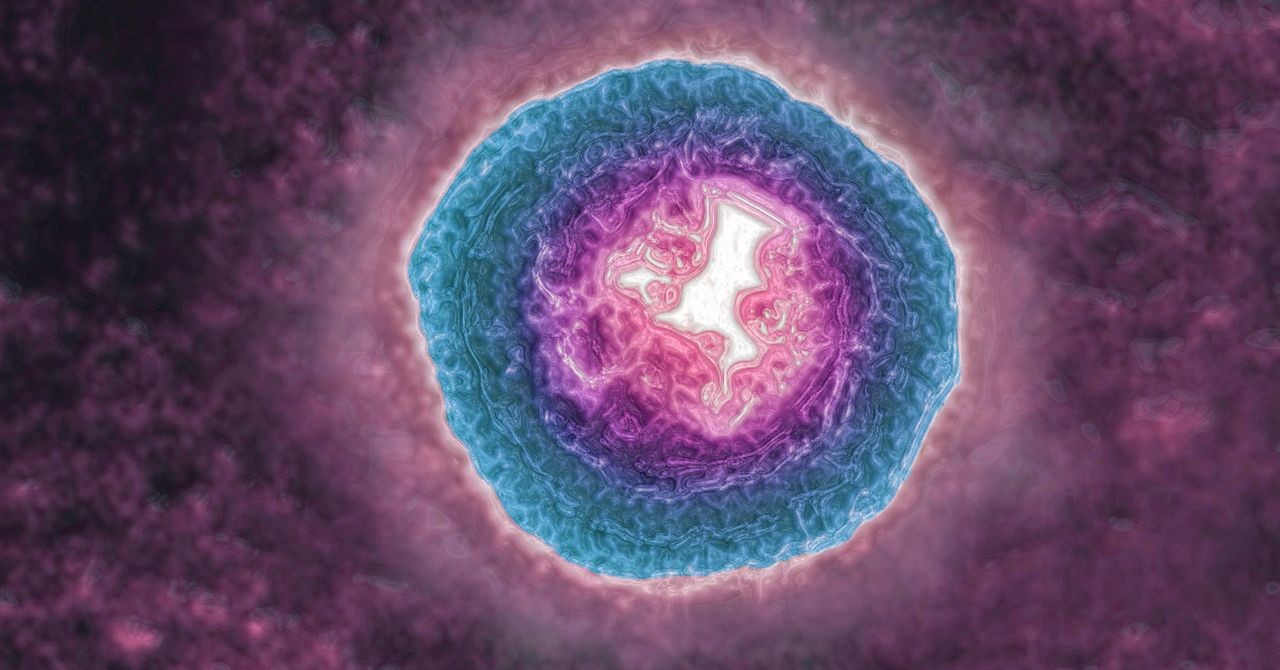
For decades, shingles – a painful reactivation of the chickenpox virus – has been primarily known for its debilitating nerve pain. However, mounting evidence suggests the true threat of Varicella zoster extends far beyond discomfort: it may be quietly accelerating brain aging and increasing the risk of dementia.
The Unexpected Link: From Nerve Pain to Cognitive Decline
The connection between shingles and cognitive decline first gained traction after a striking case study in 2016. A university lecturer in Colorado experienced rapid memory loss, difficulty concentrating, and speech problems. Initial medical tests failed to pinpoint the cause, but when the lecturer recalled a prior shingles outbreak, testing confirmed a viral reactivation. Treatment with the antiviral acyclovir reversed his symptoms, sparking deeper investigation.
Neurovirologists now believe that shingles isn’t just a localized nerve issue; it’s a systemic threat to brain health. The virus can reactivate due to stress, illness (like Covid-19), or a weakening immune system. Many reactivations are even silent, occurring without noticeable symptoms. Once reactivated, the virus exploits the brain’s internal transport systems to spread deeper into the nervous system.
How Shingles Damages the Brain
Researchers have identified several mechanisms by which Varicella zoster accelerates aging in the brain:
- DNA and Mitochondrial Damage: The virus directly damages neurons, speeding up biological aging at the cellular level.
- Inflammation of Cerebral Arteries: Shingles drives chronic inflammation, narrowing blood vessels and increasing stroke risk by 80% in the first month after infection, remaining 20% higher a year later. This vascular damage also contributes to vascular dementia.
- Herpes Virus Synergy: Shingles reactivation can trigger the reactivation of Herpes simplex virus 1 (HSV-1), flooding the brain with two damaging viruses simultaneously. Some researchers suggest the shingles vaccine may be effective because it prevents both viruses from reactivating.
The Emerging Role of Vaccination
Recent studies underscore the protective power of the shingles vaccine. Stanford University research suggests it could prevent one in five new dementia cases, while other studies link vaccination to slower biological aging.
The virus remains dormant in the nervous system after childhood chickenpox infection. As immunity wanes with age, reactivations become more frequent. Boosting immune defenses through vaccination appears to be one of the most effective ways to counter this threat.
Prevention & Future Research
Experts suggest expanding vaccine recommendations beyond the current age 50 threshold, potentially with multiple boosters. Some researchers even advocate for rapid saliva tests to detect reactivation during periods of stress, allowing for early antiviral intervention. The virus responds well to antiviral drugs, which are considered safe for treatment.
The findings reinforce the importance of childhood chickenpox vaccination and adult shingles immunization to protect brain health in the long term. The true burden of Varicella zoster is underestimated, but it’s a highly treatable virus.