


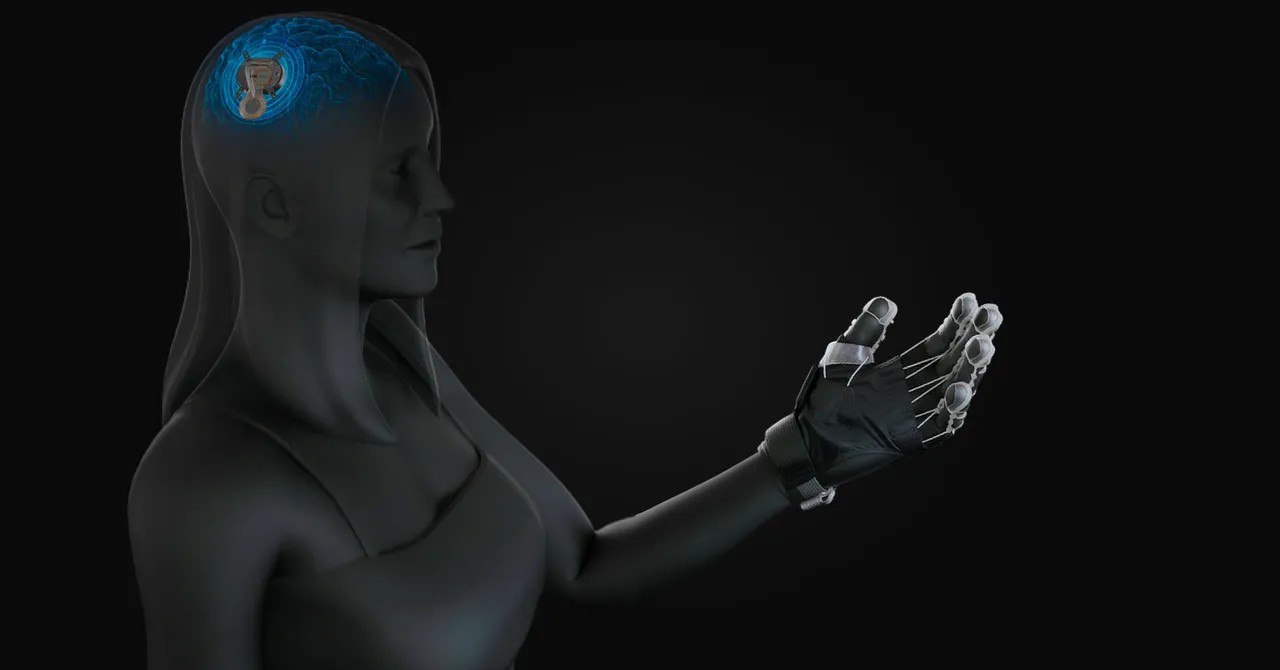
Stroke is a leading cause of long-term disability, leaving many survivors with impaired movement in their hands and arms. While some patients recover, many live with lasting paralysis or weakness. Now, a new company called Epia Neuro is developing a brain implant paired with a motorized glove to help stroke patients regain hand function.
The Rise of Brain-Computer Interfaces
Epia is part of a growing wave of companies investing in brain-computer interfaces (BCIs) – devices that translate brain signals into action. The field has seen massive investment, with firms like Neuralink (backed by Elon Musk) and Merge Labs securing hundreds of millions in funding. Most existing BCIs focus on helping people with severe motor disabilities control computers or communicate digitally. Epia’s approach is different: it aims to restore physical movement.
How Epia’s System Works
Epia’s implant, a small disk inserted into the skull, detects brain signals related to hand movement. This data is combined with input from sensors on a motorized glove. AI algorithms then predict and drive the glove to assist with gripping. The system learns from the user, associating brain signals with the desired hand movements. This process leverages neuroplasticity – the brain’s natural ability to adapt and create new connections.
Following a stroke, damaged brain tissue can disrupt signals from the motor cortex to muscles. Epia’s implant bypasses this damage by detecting intent from an unaffected part of the brain and translating it into action via the glove. The hope is that repeated use will strengthen neural pathways, reducing the need for the device over time.
“A lot of brain-computer interfaces allow a person to type on a computer screen or to move a robotic arm to achieve a task,” says David Lin, a neurologist advising Epia. “That’s different from a rehabilitative solution, where using that device in and of itself leads to plasticity of the brain… so that once you take the glove away, that the native function of the arm and hand gets better.”
Challenges and Scalability
Scaling BCIs remains a challenge. Implantation must be safe, reliable, and relatively easy for widespread adoption. Neuralink is developing a surgical robot to automate the process, while Synchron uses a stent-like implant inserted through a blood vessel instead of open brain surgery.
This technology represents a significant step toward restoring lost function after stroke, offering hope for millions of survivors worldwide.


