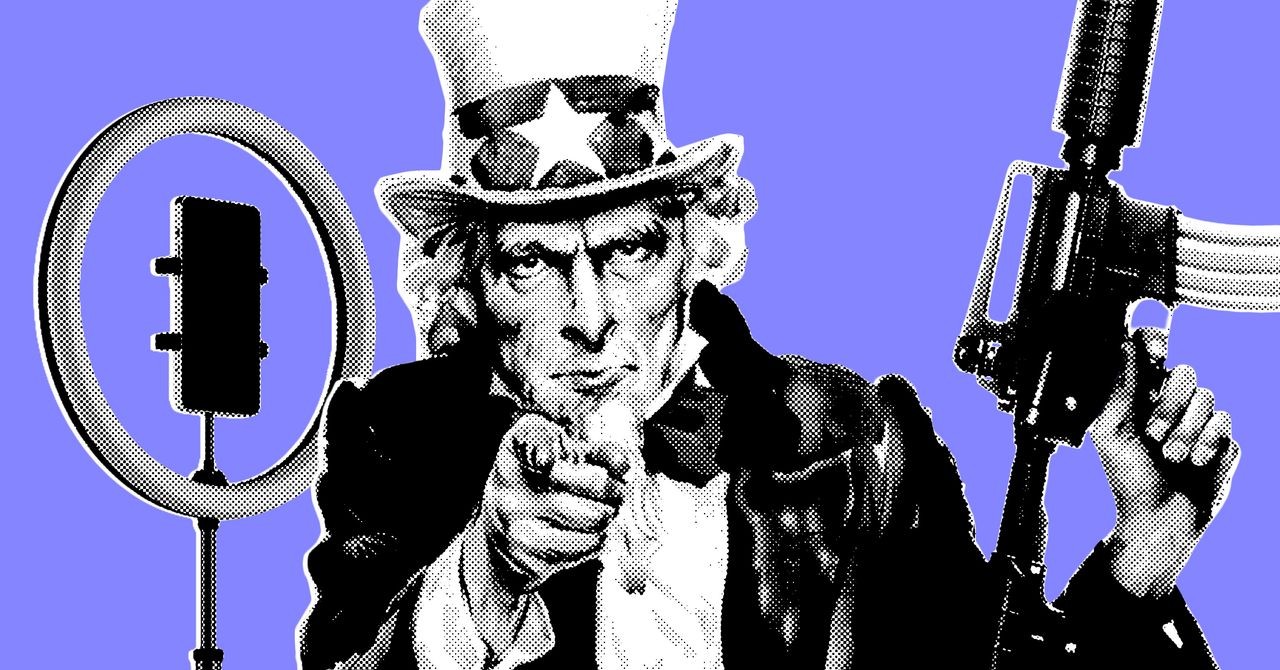
The American militia movement isn’t dying – it’s rebranding. Gone are the days of large, nationally organized groups like the Oath Keepers and Proud Boys, largely dismantled after the January 6th Capitol attack. Instead, a new era is rising, defined by slickly-produced social media content, tactical gear aesthetics, and hyper-local recruitment. This isn’t about mass protests; it’s about cultivating individual readiness, monetizing fear, and building influence one follower at a time.
The Rise of the Militia Influencer
Figures like Eric Roscher of Barrel and Hatchet, a Florida-based training company, exemplify this shift. Roscher’s YouTube videos, monetized with ads, advise viewers on “sleeper cell” threats and tactical preparedness, all while subtly promoting his company’s merchandise. This isn’t just about ideology; it’s a business model. Influencers like Roscher tap into anxieties – from geopolitical tensions like the war with Iran to domestic fears about immigration – to drive engagement and sales.
The key is curation. These influencers don’t simply preach; they perform preparedness. Military-style aesthetics, carefully chosen gear, and staged training drills are all designed for maximum social media appeal. This is a deliberate strategy, leveraging the internet’s visual culture to attract recruits and build brand recognition. As Barrett Gay, a researcher at the Institute for Strategic Dialogue, notes, these groups “worship American special forces” and mimic their gear, fueling a cycle of consumption and emulation.
From National Movements to Local Networks
The fragmentation of larger militia groups has created a vacuum, filled by decentralized networks and smaller, regional organizations. Travis McAdam of the Southern Poverty Law Center (SPLC) explains that these groups now frame themselves as “auxiliary emergency preparedness” organizations, attempting to rehabilitate their image post-January 6th. They claim to be focused on community assistance rather than political extremism, a carefully calculated rebrand.
Groups like Dirty Civilian, a Tennessee-based influencer collective with nearly 750,000 YouTube subscribers, push even further. Their content, including a monetized video outlining a vigilante assassination scenario, attracts a dedicated audience and generates revenue through Patreon and merchandise sales. This demonstrates how easily extremist rhetoric can be packaged as entertainment and sold as preparation.
The Business of Preparedness
The monetization of this movement is crucial. Influencers aren’t just sharing ideas; they’re selling a lifestyle. From branded tactical gear to expensive training courses, these groups capitalize on fear and paranoia. The aesthetic is deliberate: high-quality equipment, carefully chosen camouflage, and meticulously staged photoshoots create an aspirational image of readiness.
This extends to legal structures. The Texas State Militia, for example, has established a 501c(4) nonprofit arm, Viking Tactical, to provide firearm training and engage in political lobbying without full financial disclosure. This allows them to operate with increased legitimacy while obscuring their funding sources.
Platforms Enabling the Spread
Social media platforms like Facebook have played a critical role, despite previous attempts at purging militia content. As companies have scaled back content moderation, these groups have returned to the feeds, openly recruiting under the guise of “community” or “tribe.” In some cases, they’re even running paid advertising campaigns. Meta’s response has been reactive, with promises of removal but limited long-term impact.
The result? A persistent and evolving ecosystem where extremist ideology is packaged as preparedness, monetized through consumerism, and amplified by social media algorithms. The militias of the past may be fractured, but their influence lives on, one click, one purchase, and one post at a time.