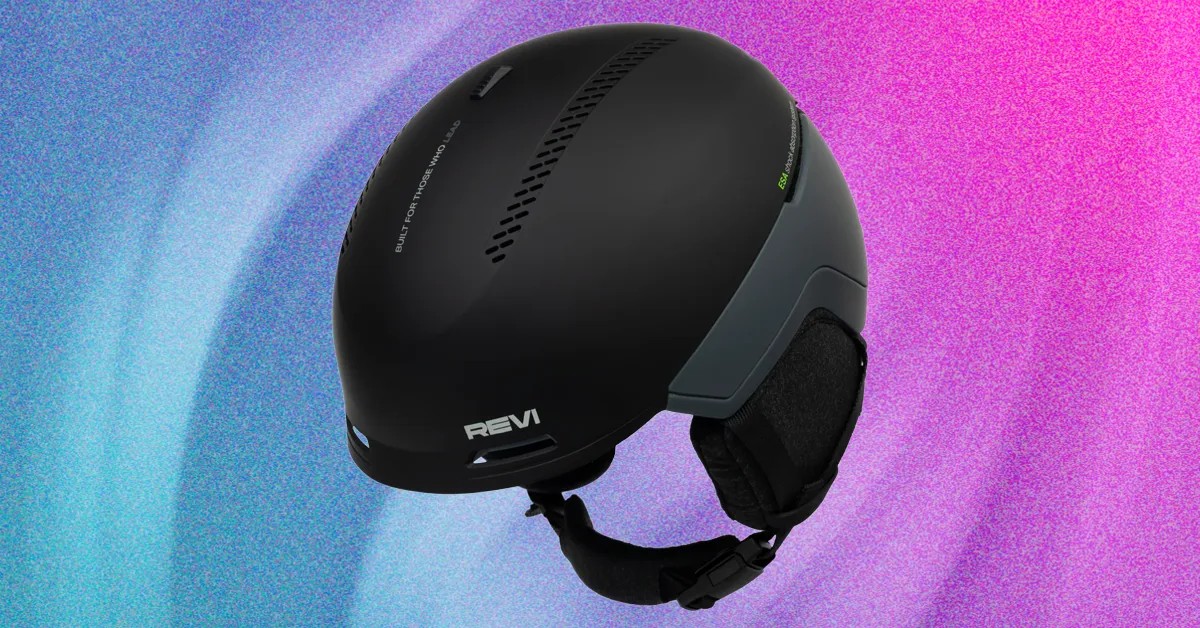
Skiing is a thrilling sport, but it comes with risks. While helmets aren’t universally required, many resorts and lessons do mandate them for younger skiers – and for good reason. Modern helmets aren’t the bulky, uncomfortable headgear of the past; they’re high-tech, stylish, and can significantly reduce injury risk.
Why Helmets Matter
Accidents happen. Whether it’s hidden obstacles, icy patches, or careless skiers, a helmet can protect you from serious head injuries. Even experienced skiers benefit from wearing one. The risk of collision is real, and a helmet can be the difference between a minor bump and a life-altering trauma.
MIPS Technology: An Extra Layer of Protection
Many modern helmets feature MIPS (Multi-directional Impact Protection System). This technology mimics the brain’s natural protection mechanism by allowing the head to move slightly within the helmet during angled impacts. A low-friction layer beneath the padding lets your head shift 10-15 millimeters, reducing rotational forces that can cause concussions. MIPS adds $20-$40 to the price, but many skiers find the added peace of mind worth it.
Safety Certifications: What to Look For
Don’t compromise on safety. Choose helmets that meet standards like ASTM F2040, CE EN 1077, or Snell RS-98. These certifications ensure the helmet has passed rigorous impact and penetration tests. Avoid using non-ski-specific helmets, like skateboards or cycling helmets, unless you confirm they meet the same standards.
Fit is Key: Goggles, Ventilation, and Comfort
A poorly fitting helmet can ruin your day. Goggle compatibility is crucial: oversized goggles can pressure your temples, while gaps between the helmet and goggles let in freezing air. Matching helmet and goggle brands (Smith, Sweet Protection, Anon) often ensures a snug fit.
Ventilation is another vital factor. Helmets with adjustable vents prevent overheating and reduce fogging by circulating cool air around your goggles. If you run hot, prioritize ventilation.
Additional Features: Audio and Buckles
Some helmets accommodate headphones for music lovers. Be aware that listening to music can reduce situational awareness. For convenience, magnetic Fidlock buckles are a game-changer: especially when wearing gloves.
Removable liners are standard in quality helmets and can be washed to prevent odor buildup.
Finding the Right Size: A Quick Guide
Proper sizing is essential. Measure your head circumference 1 inch above your eyebrows and ears. Most helmets are sized in centimeters:
- 55-58 cm = Medium
- 59-62 cm = Large
Always try before you buy. A snug fit means the helmet shouldn’t move independently from your head. If it shakes when you shake your head, it’s too big. Don’t buy a helmet “for growth” – an oversized helmet is unsafe.
Skiing is a blast, but safety first. A well-fitted, certified helmet is non-negotiable for those who want to enjoy the slopes with confidence.