


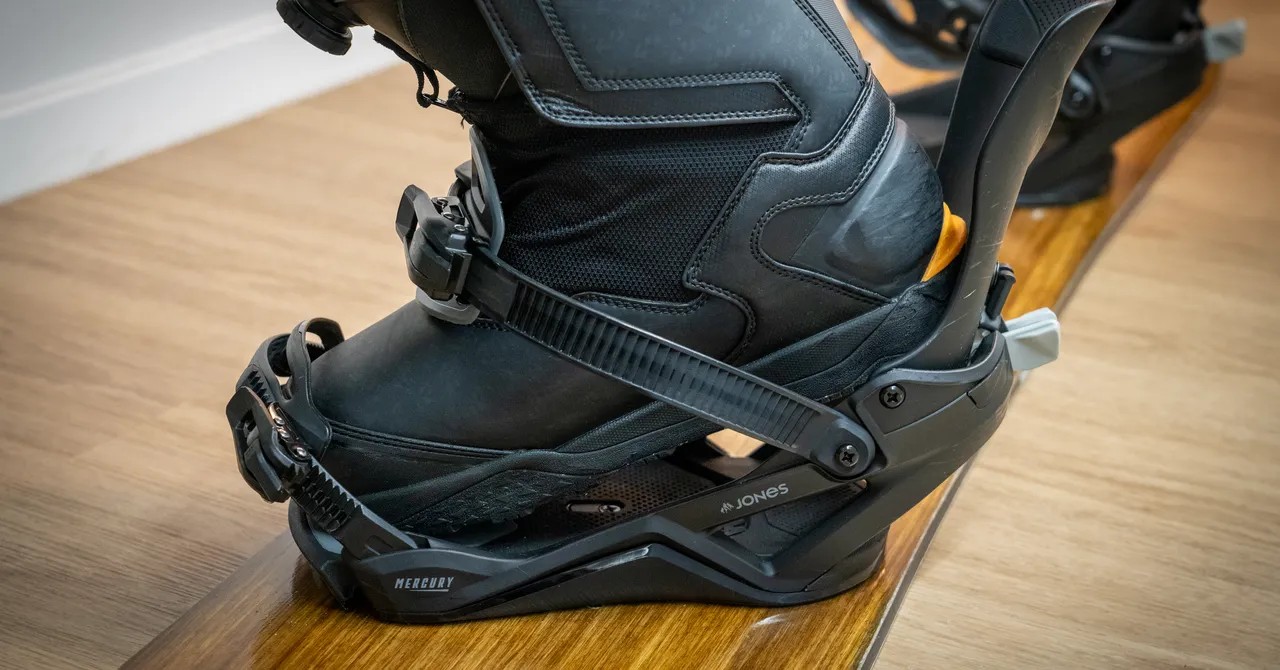
Snowboard binding technology has historically forced riders to choose between speed and control. Traditional two-strap systems offer precision but require awkward bending to enter and exit, while step-on bindings sacrifice some control for instant engagement. The latest innovation, the Fast Entry (FASE) system, aims to bridge this gap, allowing riders to use any boots while still enjoying rapid entry and exit. Licensed to major brands including Jones, Rome, Bataleon, and ThirtyTwo for the 2025-26 season, FASE is poised to disrupt the binding market.
How the FASE System Works
The Jones Mercury FASE bindings appear initially like standard two-strap models, but key modifications streamline the process. The toe strap features a locking mechanism that remains fixed once adjusted, eliminating constant readjustment. The extended ankle strap (FastStrap) boasts smooth sections with a bump to prevent accidental disengagement, allowing for easy step-in/out access. The core innovation lies in the AutoBack highback, which leans further back than traditional designs and incorporates a plastic lever.
When stepped into, the boot depresses the lever, locking the highback upright for secure heel support. Releasing the ankle strap allows for quick exit. This design preserves the locked-in feel of two-strap bindings while significantly reducing entry and exit time.
Performance and Ride Quality
The Mercury FASE retains the stiffness and freeride focus of Jones’ standard Mercury bindings, making it suitable for both off-piste powder and all-mountain riding. The dual-layer foam padding enhances vibration dampening and cushioning, improving comfort during aggressive maneuvers.
While highback adjustability remains limited to forward lean settings, the fit is reportedly excellent for most calf shapes. The absence of Jones’ SkateTech fulcrum (a feature found in other Mercury models) is notable, though the bindings still offer responsive edge control.
Real-World Testing
Extensive testing in British Columbia’s varied terrain, including steep powder, icy groomers, cat-skiing, and heli-skiing, confirms the FASE system’s reliability. The bindings performed well with both the Jones Hovercraft 2.0 and the aggressive Flagship Pro boards.
Proper sizing is crucial. An initial medium-sized test revealed that tight bindings hinder the fast-entry function, while a large size allowed for effortless engagement. The system proved intuitive, requiring minimal adjustment after initial setup. Riders can step in with front and rear feet, then tighten both ankle straps simultaneously, a faster process than some other quick-entry systems.
FASE vs. The Competition
The FASE system distinguishes itself from other fast-entry options:
- Nidecker Supermatic: Offers a wider opening for easier entry, but sacrifices stability with looser strap tension.
- Burton Step-On: Prioritizes speed and simplicity with metal cleats, but requires proprietary boots and may compromise control without a precise fit.
The Jones Mercury FASE strikes a balance, providing secure retention without sacrificing entry speed. Minor drawbacks include potential snow buildup on the footbed and occasional ankle strap misalignment, but these issues are infrequent.
Conclusion
The Jones Mercury FASE bindings represent a significant step forward in snowboard binding technology. By combining the reliability of traditional two-strap systems with the convenience of fast entry, they offer a compelling option for riders who demand both performance and efficiency. While minor refinements, such as SkateTech integration and improved footbed snow resistance, would further enhance the experience, the FASE system has already earned its place as a top-tier binding for all skill levels.


