Artificial intelligence (AI) is rapidly changing how software is built, but a new challenge is emerging: AI-generated code often contains errors. While these systems speed up development, the resulting software can be riddled with bugs, ultimately slowing down projects. This is the central problem that a growing number of Silicon Valley start-ups are now tackling.
The Rise of AI Coding and Its Pitfalls
In January, a Carnegie Mellon University study highlighted a key flaw in current AI coding tools. These systems can quickly produce code, but the quality is inconsistent, with a tendency toward introducing errors that developers must later fix. The long-term impact could be increased technical debt and slower innovation cycles despite the initial speed gains.
This issue is especially critical because AI coding is becoming increasingly widespread. Tools like OpenAI’s Codex and Anthropic’s Claude Code are already used by many developers, and their adoption is expected to grow. However, if the code they generate is unreliable, it could undermine the entire AI-driven development process.
Silicon Valley Steps In: Verification as the Next Frontier
Several new companies are positioning themselves to solve this problem. Axiom Math, Harmonic (both based in Palo Alto), and Logical Intelligence (San Francisco) are all focused on building AI systems that can automatically verify code —essentially, proving its correctness like mathematicians prove theorems.
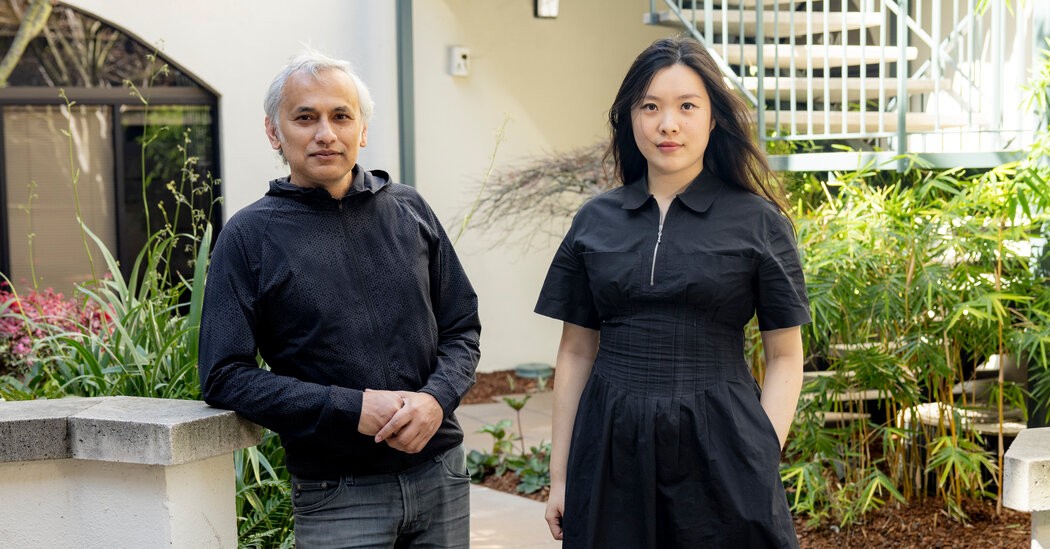
“Code verification is probably the next frontier,” says Carina Hong, CEO and founder of Axiom. The company just secured $200 million in funding from venture capital firms including Menlo Ventures, Greycroft, and Madrona, bringing its valuation to $1.6 billion despite being only a year old with a team of around 20 people.
Why Verification Matters: The Future of AI-Driven Development
The surge in venture capital investment signals that investors recognize the critical importance of reliable AI-generated code. The ability to automatically verify code is not just a technical fix; it’s a prerequisite for the widespread adoption of AI in software development. Without it, the promise of faster, more efficient coding will remain unfulfilled.
If AI-generated code cannot be trusted, developers will revert to manual verification, negating the benefits of automation. The race to create reliable verification tools is therefore crucial for the long-term success of AI in software engineering.