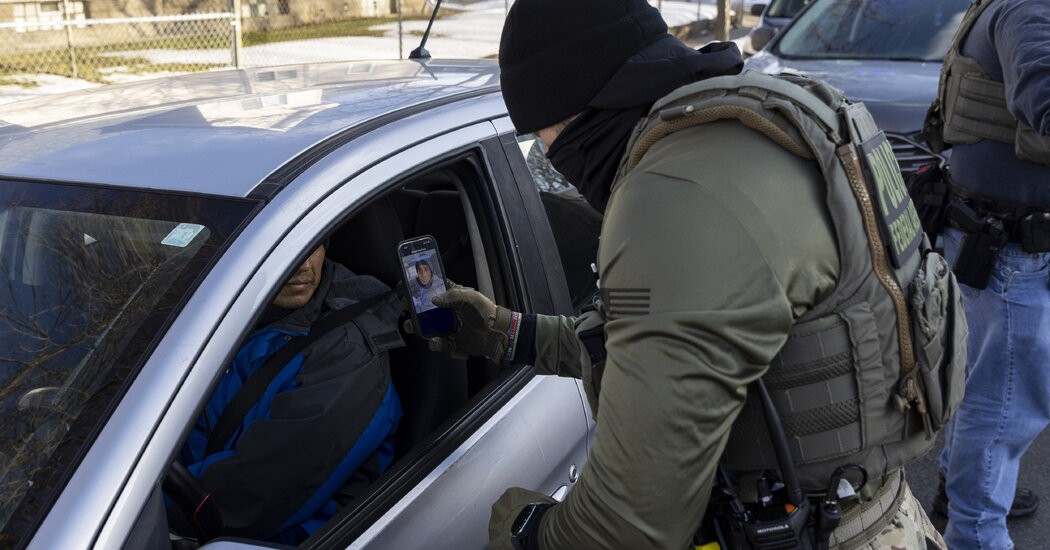
Immigration and Customs Enforcement (ICE) is conducting an intensified crackdown in Minneapolis, deploying a range of advanced surveillance technologies, including facial recognition, cellphone tracking, and data analytics tools. This escalation has alarmed local activists, who report that ICE agents are actively using these technologies against both undocumented immigrants and U.S. citizens.
Facial Recognition in the Field
On January 10th, Nicole Cleland, a volunteer with a local immigration watchdog group, was confronted by an ICE agent who identified her by name despite never having met her before. The agent claimed to be using facial recognition technology through his body camera. This incident is one of at least seven confirmed cases this month where ICE agents have deployed facial recognition against individuals in the Minneapolis area, with no prior consent obtained.
ICE is reportedly using two facial recognition programs: Clearview AI and a newer system called Mobile Fortify. The use of Clearview AI is particularly controversial, as the company has faced legal challenges over its aggressive data collection practices.
Beyond Faces: Cellphone Hacking and Data Aggregation
Facial recognition is not the only tool ICE is using. According to three current and former Department of Homeland Security officials, the agency is also leveraging cellphone and social media monitoring tools to track individuals’ online activity. There are indications that agents are attempting to hack into phones to obtain data.
The agency is also tapping into a real-time location database built by Palantir, a data analytics firm known for its controversial contracts with government agencies. This database combines commercial and government data, allowing ICE to pinpoint the locations of individuals it is pursuing.
Implications and Concerns
The aggressive deployment of these technologies raises serious privacy concerns. The lack of consent from citizens being tracked, coupled with the potential for abuse, has fueled criticism from civil liberties advocates. The use of hacking tools also raises questions about legal boundaries and potential Fourth Amendment violations.
The scale and sophistication of ICE’s surveillance operations in Minneapolis suggest a broader trend of increasing technological enforcement in immigration control. This raises questions about how far agencies will go to track and identify individuals, regardless of their citizenship status.
The situation in Minneapolis highlights a growing pattern of ICE adopting increasingly invasive surveillance methods, blurring the lines between immigration enforcement and domestic tracking. The long-term implications for privacy and civil liberties remain uncertain, but the current trajectory suggests a significant escalation in federal surveillance capabilities.