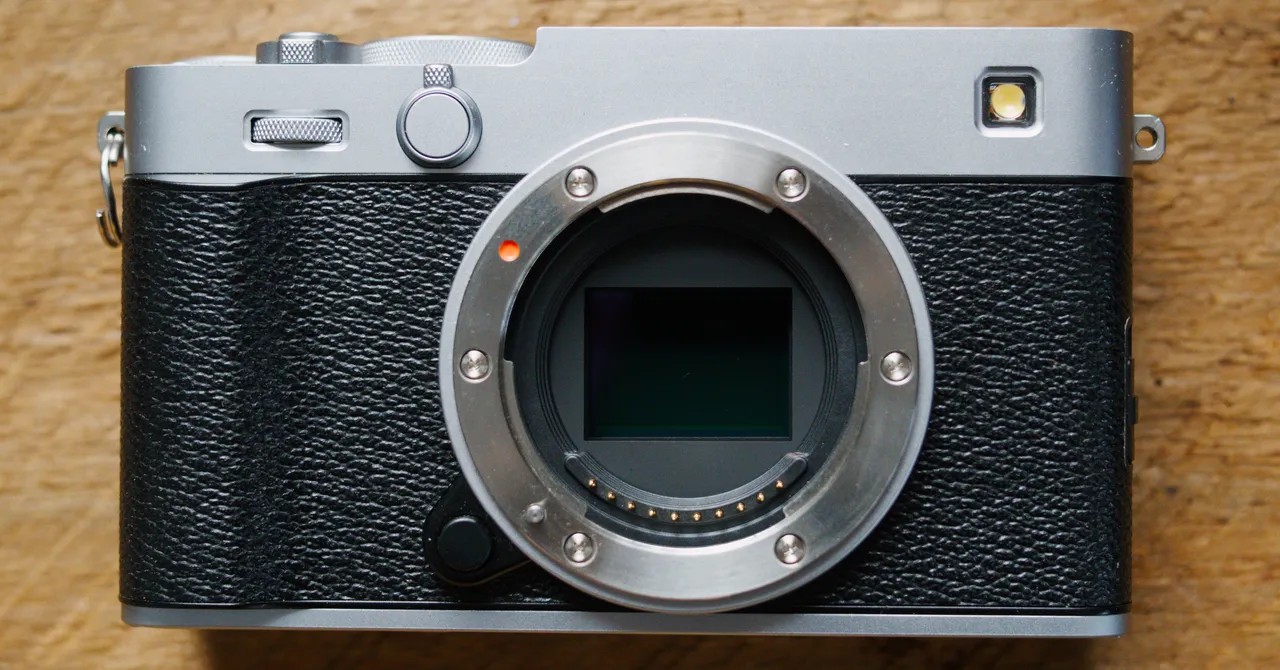
Fujifilm’s X-E5, released in late 2025, delivers a compelling blend of compact design and high-end performance. The camera has quickly become a standout option for photographers seeking a portable, retro-styled system with exceptional image quality. Essentially, it’s an interchangeable-lens take on the beloved Fujifilm X100VI, offering similar capabilities with added versatility.
The Evolution of a Series
The X-E series historically represented Fujifilm’s minimalist rangefinder approach. However, with the X-E5, that distinction has blurred. This latest iteration is less spartan than its predecessors – both in terms of features and physical size – and arguably represents the definitive Fujifilm rangefinder experience. Fujifilm’s commitment to this line suggests a shift in focus, potentially signaling the end of further development in the X-Pro series. For those seeking a classic rangefinder feel from Fujifilm, the X-E5 is now the primary option.
Core Performance: Sensor and Stabilization
At the heart of the X-E5 lies a 40-megapixel APS-C X-Trans V sensor paired with the latest processor. This combination, previously seen in the X-T5 and X100VI, consistently produces outstanding images. Fujifilm’s color science remains a key draw, offering distinctive and pleasing results straight out of the camera.
Adding to its appeal is the inclusion of in-body image stabilization (IBIS), offering up to seven stops of shake reduction. This feature was previously reserved for higher-end models, further solidifying the X-E5’s position as a premium offering. The improved build quality, featuring a solid aluminum top plate, enhances the camera’s premium feel.
Design Choices: Hits and Misses
Fujifilm has reintroduced familiar controls such as the twin command dials and dedicated AF Mode switch, enhancing usability for experienced users. However, the inclusion of a dedicated film simulation dial has drawn criticism. While some appreciate the convenience, others argue that a dedicated ISO dial would have been more practical given its frequent use. The camera also retains the W126s battery from the X100VI, resulting in a shorter battery life of around 310 shots.
Image Quality and Autofocus
The X-E5 delivers exceptional image quality, with RAW files comparable to those from the X-T5. The base ISO of 125 provides slightly improved low-light performance compared to the X-E4, though the difference is subtle. The autofocus system remains competitive, offering reliable performance in most scenarios. However, Fujifilm lags behind some competitors in continuous autofocus and subject tracking.
Value and Alternatives
The Fujifilm X-E5 is priced at $1,699 for the body alone or $1,899 with the new 23mm f/2.8 pancake lens. This positions it as a premium option, especially when compared to the X-T5, which offers more features for just $200 more. The full-frame Sony a7C II, while more expensive at $2,199, provides superior video capabilities and weather sealing.
Ultimately, the X-E5’s appeal lies in its unique blend of style, portability, and image quality. While it may not be the most logical choice from a purely practical standpoint, it stands out as a compelling option for enthusiasts who prioritize a refined shooting experience.