


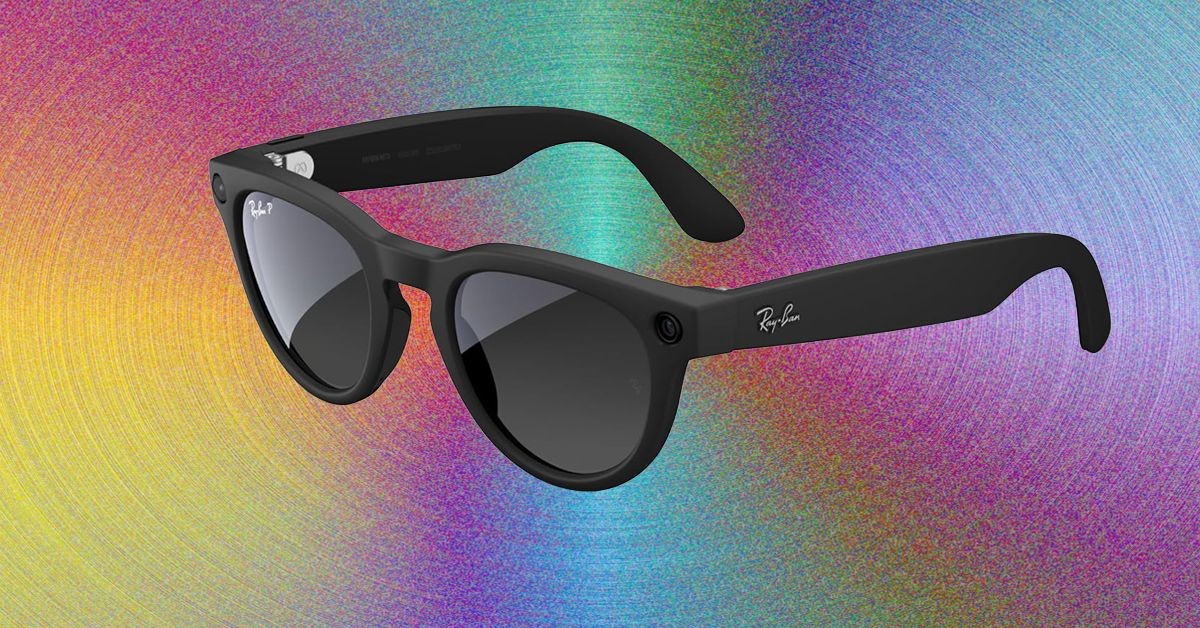
The wearable tech landscape is shifting. While Apple has focused on heavy, high-end augmented reality (AR) headsets like the Vision Pro, Meta has taken a different, more practical path. By partnering with EssilorLuxottica, Meta has successfully integrated AI and cameras into stylish, everyday frames from brands like Ray-Ban and Oakley.
With over 7 million pairs sold in 2025, these glasses are no longer just tech novelties; they are becoming staple accessories for athletes, travelers, and content creators. However, owning them comes with a unique set of social and privacy considerations.
🕶️ Choosing Your Pair: The Best Meta Models
Depending on whether you prioritize fashion, high-performance sports, or cutting-edge tech, your choice will vary significantly.
Best Overall: Ray-Ban Meta Wayfarers
The “smash hit” of the lineup, these are the gold standard for entry-level smart glasses.
– Key Specs: 12-MP camera, up to eight hours of battery life, and a variety of lens options (clear, prescription, or Transitions).
– The Experience: They are incredibly comfortable and look like classic eyewear. However, the AI can occasionally feel intrusive, and users should be aware that media is funneled through the Meta app, which can lead to a cluttered user experience if settings aren’t managed.
Best for Lifestyle & Daily Use: Oakley Meta HSTN
If you want a pair of glasses that function primarily as high-quality sunglasses, the HSTN is the winner.
– Key Specs: Polarized Prizm lenses for enhanced contrast and Unobtanium no-slip nose pads.
– The Experience: Perfect for bright sunlight and casual activities. They integrate seamlessly with Strava and Apple Music, allowing for voice-controlled workouts. While the audio is excellent, the sound can be drowned out by wind noise at high cycling speeds.
Best for Athletes & Creators: Oakley Meta Vanguard
Designed specifically for “outdoor influencers” and high-intensity athletes, the Vanguard is a multi-tool for your face.
– Key Specs: A nose-bridge camera (eliminating the “fisheye” look of side cameras), 66g weight, and ultra-loud speakers.
– The Experience: These are much louder than other models, making them usable even at speeds up to 30 mph on an e-bike. They also feature Garmin integration, allowing for auto-capture time-lapses that sync directly to your phone.
Best for Tech Enthusiasts: Meta AR Glasses
These are the most “tech-forward” models, moving away from traditional branding to lead with the “Meta” name.
– The Experience: They feature a single display in the right eye and a wristband for gesture control. While the tech is impressive, they are bulkier than fashion frames and carry a premium price tag.
🛠️ Core Features: What Can They Actually Do?
Meta’s glasses aim to reduce “screen fatigue” by moving digital interactions to your line of sight.
- Hands-Free Communication: Send texts and make calls via WhatsApp, Messenger, or phone through voice commands.
- Visual Intelligence: Use Meta AI to ask questions about your surroundings or translate text in real-time.
- Content Capture: The primary draw for many is the ability to take high-quality photos and videos hands-free while biking, running, or traveling.
- Seamless Integration: They connect with Apple Health, Audible, and Google Calendar, turning your eyewear into a personal assistant.
⚠️ The Privacy Elephant in the Room
Using smart glasses is a delicate dance with the “social contract.” There is a lingering stigma regarding privacy—both for the wearer and the people being recorded.
Data Security Realities:
– The Risk: Meta uses third-party contractors to review data to train its AI. This means highly personal information could potentially be viewed by human reviewers.
– The Solution: To protect your privacy, users are encouraged to toggle off “Cloud Media” in the device settings. This ensures your photos and videos stay on your device and are not uploaded to Meta’s servers.
– Pro-Tip: Avoid using the glasses for sensitive tasks, such as reading legal documents or asking personal health questions to the AI.
💡 Final Verdict
Meta has successfully bridged the gap between high fashion and functional tech by leveraging iconic brands like Ray-Ban and Oakley. While privacy concerns remain a valid hurdle, the utility of having a hands-free camera and AI assistant in a stylish frame makes them a compelling tool for the modern, active user.


