



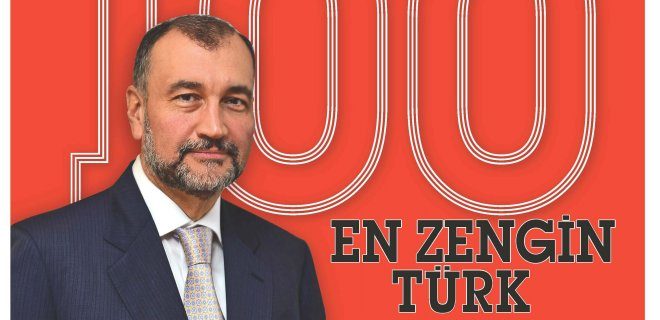
Forbes’un yıllık sıralaması açığa çıktı. Bu yılın tartışmasız lideri Murat Ülker. Serveti geçen yılın sonunda göre 700 milyon dolar arttı. Toplam net varlığı 4,4 milyar dolara ulaştı.
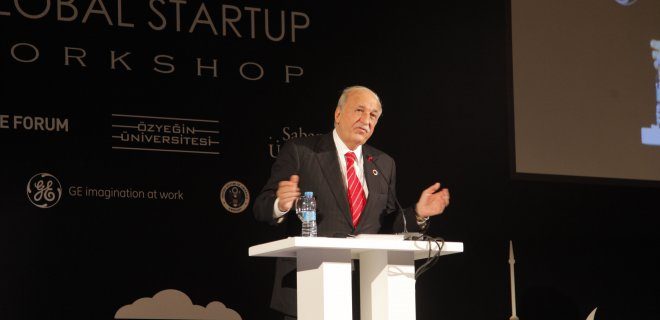
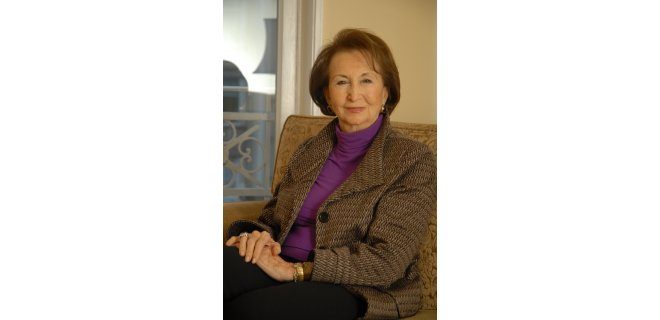
Ülker’in ardından gelen isimler de devasa rakamlarla geliyor. Hüsnü Özyeğin ikinci sırada. Yaklaşık 2,7 milyar dolarlık servetiyle listede ikinci sırada yer alıyor. Üçüncü ise Semahat Arsel. Vehbi Koç’un kızı, 2,6 milyar dolarlık mal varlığıyla listeye girdi.
Servet Kaybı ve Yeni Girenler
Sadece kazananlar yok. Kaybı yaşayanlar da var. Şarık Tara en büyük düşüşü yaşayan isim. Enka’nın piyasa değerindeki düşüş, Tara’nın cüzdanını doğrudan etkiledi. 900 milyon dolarlık bir kayıptan bahsediyoruz. Bu, geçen yıla kıyasla ciddi bir düşüş.
Listeye tekrar dönen isimler de var. Turgay Ciner, Mehmet Rüştü Başaran, Mustafa Koç, Şevket Sabancı, Suzan Sabancı Dinçer ve Serra Sabancı geçen yıl listede yoktu. Bu yıl tekrar yer buldular.
İlk kez listeye girenler de var. Mehmet Ali Aydınlar ve Tuğba Yazıcı bu yılki ilk giriş yapmış isimler. Türkiye’nin en zengin isimleri 2024 listesi, varlık dağılımındaki dinamikleri gösteriyor. Sadece mevcut servetler değil, piyasa koşullarının etkisi de belirleyici.


Top 3 Richest People in Turkey: The Billionaires Behind the Names
Turkey’s wealth landscape is dominated by massive, family-controlled conglomerates. When you look at the top tier, you aren’t seeing tech moguls or crypto founders. You are seeing industrial giants, banking empires, and retail heavyweights built over decades. The numbers here are staggering, and the structures behind them are complex.
1. Murat Ülker: Yıldız Holding ($4.4 Billion)
Murat Ülker sits at the top with a net worth of $4.4 billion. This isn’t just about chocolate. While Ülker is the most recognizable name, the real engine is Yıldız Holding.
The company has moved far beyond its sweet roots. They control:
– Food: Bakers, biscuits, snacks (Migros brand partnerships).
– Beauty: Brands like Sigorta and local cosmetic lines.
– Real Estate: Massive portfolios in Turkey and internationally.
– Retail: A direct line to consumers through Migros supermarkets.
Ulker’s wealth is tied to his ownership stake in this diversified empire. The holding structure allows them to manage risk across sectors. When food prices fluctuate, retail might stabilize. When real estate slows, consumer goods keep generating cash. It’s a defensive play scaled up to billions.
2. Hüsnü Özyeğin: Fiba Holding ($2.7 Billion)
Hüsnü Özyeğin’s wealth stands at $2.7 billion. His power base? Fiba Holding and the banking sector.
Fiba isn’t just a holding company. It’s deeply intertwined with Fiba Bank (now part of QNB Finansbank). This connection provides a steady flow of financial services revenue. But the wealth driver is broader:
– Retail: Özyeğin Group owns İstinye Park, one of the most profitable luxury malls in Istanbul.
– Automotive: Distributors for major car brands like Mercedes-Benz and Volvo.
– Media: Investments in broadcasting and digital platforms.
The key here is location. Owning the prime real estate in Istanbul’s most affluent districts creates a barrier to entry for competitors. Rent from these spaces provides predictable income, independent of economic cycles in other sectors.
3. Semahat Arsel: Koç Holding ($2.6 Billion)
Semahat Arsel holds $2.6 billion. This name is synonymous with Koç Holding, Turkey’s oldest and largest industrial conglomerate.
Koç is the backbone of Turkish industry. It’s not a single product; it’s infrastructure. The holding controls:
– Automotive: Veli Koç and others manage the Mercedes-Benz Turkey operations.
– Energy: Power generation and distribution networks.
– Banking: Garanti BBVA (majority owned by BNP Paribas, but Koç is the strategic anchor).
– Appliances: Beko and Grundig.
Arslan’s wealth reflects her stake in this vast network. Koç is a proxy for the Turkish economy itself. When Turkey grows, Koç grows. When it contracts, Koç faces headwinds, but its diversified nature provides a cushion. It’s a long-term play, not a quick flip.
What This Tells Us About Turkish Wealth

The Titans of Turkish Industrial Capital
We are moving into the stratosphere now. These aren’t just wealthy individuals. They are institutional pillars. Their wealth is tied to massive conglomerates that touch nearly every aspect of daily life in Turkey. And their net worth hovers around the $2.5 billion mark. A slight dip from the top two spots, but the gap is negligible.
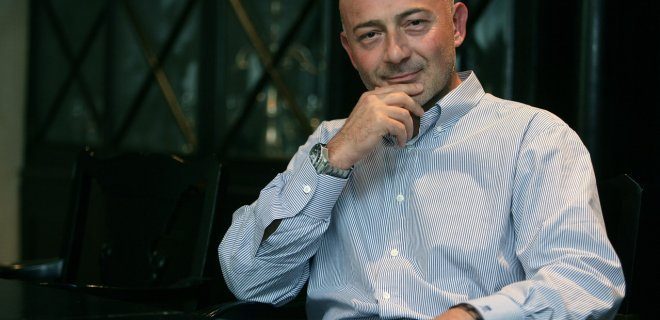
Ferit Şahenk and the Doğuş Empire
Ferit Şahenk sits at number four. His fortune? Roughly $2.5 billion.
It comes from Doğuş Holding. But don’t think this is a simple auto-dealer story. It is deep infrastructure. Auto services are the face of it. You see the dealerships everywhere. But the engine is different.
The holding owns power plants. It manages hotels. It handles construction. It controls automotive retail on a massive scale. This is vertical integration in its purest form. When the economy shakes, these conglomerates absorb the blow. They have the cash reserves to survive. They have the real estate to leverage.
Şahenk’s wealth is locked in equity. It moves with the stock market. It moves with the lira. It moves with global oil prices. That is the trade-off. High visibility. High exposure. If the Turkish lira weakens further, his dollar-denominated net worth fluctuates wildly. But the underlying assets? Those are hard. Physical. Real.
Rahmi Koç: The Oldest Money
At number five, we find Rahmi Koç. Also worth $2.5 billion.
Same tier. Same bracket. But the history is different.
Koç Holding is the grandfather of Turkish industry. Founded in 1926. It predates the republic’s modern industrial push. Rahmi Koç inherited a legacy that spans decades. This isn’t new money. It’s generational wealth.
The portfolio is diversified beyond recognition. Energy. Automotive. Banking. White goods. You can buy a refrigerator made by Beko, drive a car assembled by Tofaş, and hold a bank account with Garanti BBVA. All under the Koç umbrella.
Why does this matter for your financial decisions?
Look at the stability. Diversification isn’t just owning five stocks. It’s owning five entirely different economic ecosystems. When automotive sales dip, energy production might spike. When retail slows, infrastructure projects keep the cash flow moving.
Rahmi Koç’s wealth is less volatile than many tech billionaires. Why? Because you can’t turn off a power plant. You can’t delete a hospital network. These are necessities. Necessities survive recessions. They just get more expensive.
Şarık Tara and Enka’s Concrete Grip
Number six is Şarık Tara. Net worth: $2.4 billion.
His vehicle is Enka İnşaat.
Construction. That’s the label. But that undersells it. Enka builds airports. Bridges. Highways. Power plants. They operate in multiple countries. They are not just building houses. They are building national infrastructure.
The margin on construction is thin. The risk is high. One bad project, one delayed payment, and cash flow chokes. But Enka has scaled past that. They have the contracts.
The Turkish Billionaire Tier
By the time fortunes hit the two-billion-dollar mark, the game changes. It is no longer about individual hustle. It is about institutional legacy. The names here are not just rich. They are architects of Turkish industry.
Erman Ilıcak and the Retail Empire
Erman Ilıcak sits on the throne of Rönesans Holding. His net worth stands at roughly $2.2 billion.
He did not build this by guessing. He built it by dominating consumer goods. Rönesans operates across FMCG, automotive, and energy. The scale is massive. Ilıcak’s wealth is tied to the stability of these diversified holdings. When inflation spikes in Turkey, consumer staples remain essential. That provides a buffer. But it also exposes him to currency volatility.
His strategy is vertical integration. Control the supply chain from manufacturing to the shelf. Reduce margins, increase volume. It works until it doesn’t. In emerging markets, regulatory shifts can unravel decades of progress overnight.
Filiz Şahenk and Industrial Might
Filiz Şahenk commands $2.2 billion through Doğuş Holding. Her portfolio is heavy on automotive. Doğuş is the official importer and manufacturer for brands like Mercedes-Benz and Ford in Turkey.
This is a high-margin, high-barrier business. You need licenses. You need infrastructure. You need relationships. Şahenk’s wealth reflects the dominance of these franchises. But it is also a risk. The automotive sector is cyclical. If consumer credit tightens, sales drop. If EV transitions lag behind global competitors, margins compress.
She has diversified into energy and construction. This is not just diversification for the sake of it. It is a hedge against automotive cycles. When car sales stall, construction might boom. When construction slows, energy demand holds steady. It is a balancing act played out on a national economic stage.
Suna Kıraç and the Conglomerate Core
Suna Kıraach also holds a net worth of $2.2 billion. Her power base is Koç Holding. This is the oldest and largest private-sector conglomerate in Turkey.
Koç is everywhere. It touches energy, automotive, banking, retail, and electronics. Suna Kıraç’s wealth is a proxy for the entire Turkish private sector’s resilience. She has navigated coups, currency crises, and political upheavals. Her tenure as a board member and shareholder has been defined by long-term stewardship.
The trade-off here is visibility. Koç is a titan, but it is also bureaucratic. Decisions move slowly. Innovation can be stifled by the weight of existing assets. Yet, in times of crisis, scale becomes an advantage. Larger conglomerates can access capital cheaper than SMEs. They can weather storms that sink smaller firms.
The Common Thread
What ties Ilıcak, Şahenk, and Kıraach together?
It is not just the $2.2 billion figure. It is the structure of their wealth. It is locked in private equity stakes within massive, diversified conglomerates. You cannot easily sell “part” of Rönesans or Doğuş. It is all-or-nothing. This limits liquidity but provides stability.
It also means their fate is tied to Turkey’s macroeconomic health. They benefit from growth. They suffer from instability. There is no hiding in offshore accounts that
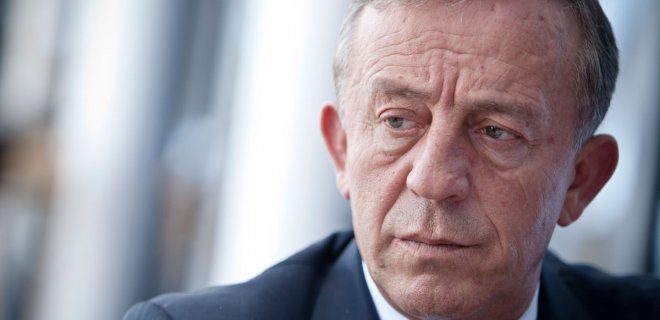
The Agaoğlu Empire: Real Estate, Construction, and Controversy
Ali Ağaoğlu’s net worth sits at roughly $1.75 billion, anchored by Ağaoğlu İnşaat, a heavyweight in Turkey’s property sector. The company builds high-rise residential complexes, shopping centers, and office spaces, often in prime Istanbul locations. But the story behind the number is messier than a balance sheet suggests.
High-Rise Ambitions and Regulatory Headwinds
Ağaoğlu İnşaat doesn’t just build houses. It builds skylines. The firm’s portfolio includes projects in Istanbul’s rapidly developing districts, targeting both domestic buyers and international investors looking for exposure to emerging market real estate.
However, the Turkish construction industry has faced significant regulatory scrutiny in recent years. Building code violations, permits, and safety standards have been recurring themes in headlines involving major developers. Ağaoğlu İnşaat is no exception. The company has navigated these waters by adjusting its project timelines and engaging with local authorities, but the risk remains a persistent factor for stakeholders.
Diversification Beyond Bricks and Mortar
Relying solely on construction is risky. Market cycles turn. Interest rates shift. To mitigate this, Ağaoğlu has diversified into other areas. Investments in energy, technology, and even sports have been part of the broader strategy. This isn’t just about spreading risk; it’s about creating revenue streams that don’t depend on whether someone is buying a condo in Beyoğlu.
The move into sports, particularly through investments in football clubs, is common among Turkish billionaires. It serves as a branding tool, a way to embed the name in the cultural fabric. But it also requires significant capital infusion, often with little direct return beyond prestige.
The Investor’s Dilemma
For those looking at the Agaoğlu portfolio, the question isn’t just about current wealth. It’s about sustainability. The real estate market in Turkey is volatile, influenced by currency fluctuations, inflation, and political dynamics. A $1.75 billion net worth can evaporate or swell quickly based on the lira’s value and property prices.
Investors need to look past the headline number. They need to examine:
- Debt levels: How much of the empire is leveraged?
- Project pipeline: What’s under construction? What’s stalled?
- Regulatory compliance: Are there pending legal issues that could freeze assets?
Why It Matters for Market Observers
Understanding Ağaoğlu isn’t just about one man’s wealth. It’s a case study in how Turkish conglomerates operate. They are powerful, politically connected, and heavily exposed to real estate. When they stumble, the market feels it. When they thrive, the economy gets a boost.
The $1.75 billion figure is a snapshot. It’s static. The reality is dynamic, shifting with every regulatory decision and market fluctuation. The question isn’t whether Ağaoğlu İnşaat will build the next landmark. It’s whether it will do so without getting tangled in the legal and economic complexities that define modern Turkish business.
The future isn’t written in concrete. It’s written in contracts, court rulings, and currency values. And those are things that change fast.