


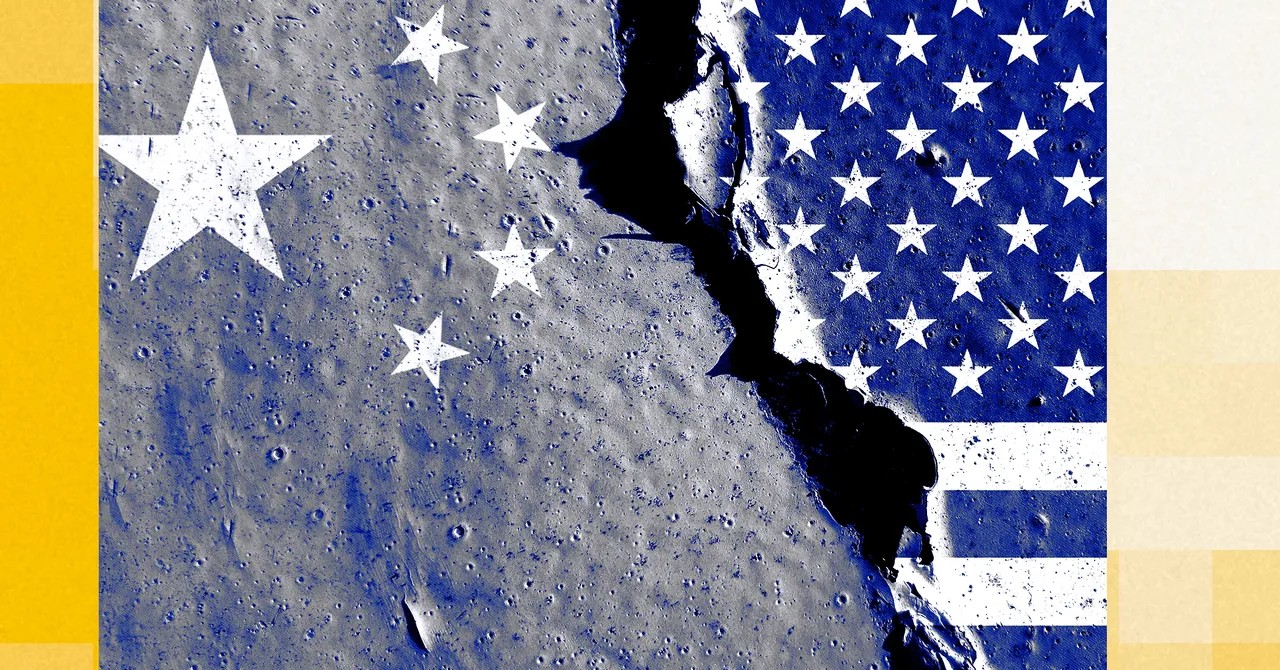
The tech industry isn’t united on China right now. It’s fractured.
One camp sees a rising superpower that threatens national security. The other sees an innovation partner that can’t be ignored.
Silicon Valley is completely divided over Chinese AI, and the tension is palpable in every boardroom, every congressional hearing, and every startup pitch. It’s not just about code anymore. It’s about identity, survival, and who gets to define the future of intelligence.
Why Is There Such a Deep Split?
It comes down to risk.
On one side, you have the hawks. They argue that allowing Chinese tech companies access to advanced US chips and software is akin to handing the keys to a rival empire. They point to espionage concerns. They cite the potential for autonomous weapons. The fear is real. The data is often classified. The message is clear: decouple now, before it’s too late.
“We cannot afford to build our competitor’s house for them.”
On the other side, you have the pragmatists. They argue that the global tech supply chain is too intertwined to sever. Cutting ties would stunt American innovation. It would raise costs. It would isolate US companies from a massive consumer base. For them, the threat of isolation is worse than the threat of competition.
It’s not a black-and-white issue. It’s gray. Messy gray.
Who Is Driving the Policy Debate?
It’s not just CEOs.
Lawmakers are pushing for stricter export controls. The Department of Commerce is tightening regulations on chip exports. Venture capitalists are hesitant to fund cross-border deals. Meanwhile, Chinese tech giants like Huawei and Alibaba are racing ahead, building their own ecosystems with less reliance on Western tech.
So, who wins?
Maybe no one. Maybe everyone. The stakes are too high to ignore.
What Does This Mean for Your Daily Tech?
If you’re a consumer, you might not feel it yet. But the ripples are spreading.
- Hardware delays : New chips might arrive later. Prices could go up.
- Software restrictions : Some apps might limit features in certain regions.
- Startup funding : Early-stage companies navigating both markets will face headwinds.
You don’t need to take a side to understand the impact. You just need to pay attention.
The divide isn’t closing. It’s widening.
And as the models get smarter, the arguments will get louder.


