


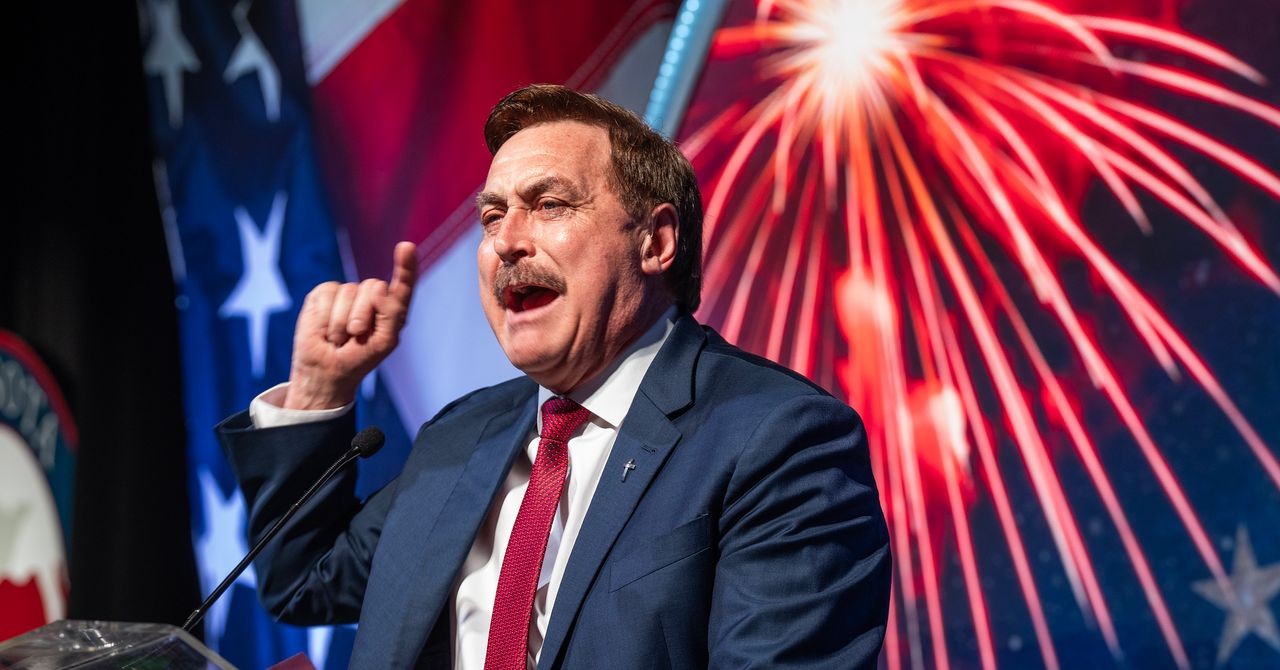
Donald Trump endorsed Mike Lindell. The Minnesota Republican Party did not celebrate.
In fact, they pushed back hard. This creates a messy, high-stakes standoff in one of the few states where the GOP still has a realistic shot at the governor’s mansion. The core question on everyone’s mind right now is specific: how does the Minnesota Republican Party balance Donald Trump’s endorsement with Mike Lindell’s electability concerns?
It isn’t easy. It probably won’t be smooth.
Lindell, the MyPillow founder, is running for governor. He has the former president’s explicit blessing. Trump took to Truth Social to call Lindell “SPECTACULAR,” claiming the businessman loves the state and wants to rescue it from “oblivion and embarrassment.” He repeated this praise on Tuesday, insisting Lindell loves Minnesota “with all of his heart.”
Polls back up Trump’s intuition regarding the primary. Lindell looks like the favorite to win the August 11 Republican nomination.
But the general election? That’s a different animal entirely.
Why the Local GOP Fears a Lindell Ticket
Alex Plechash, chairman of the Minnesota Republican Party, didn’t mince words. Hours after Trump’s endorsement went public, Plechash released a statement expressing surprise. Not admiration. Surprise.
Plechash highlighted practical flaws that scare off donors and moderate voters.
“When the going got tough under Tim Valz, Mike Lindell left Minnesota for Texis,” Plechash wrote. He pointed out financial baggage, including tens of thousands in delinquent property taxes (which Lindell says are now paid). He noted Lindell wasn’t registered to vote in the state until earlier this week.
The party argues they can’t nominate a ticket that hands Democrats an “easy target.” They view Lindell as a liability, not an asset.
“We were surprised by President Trump’s endorsement… Minnesota cannot afford to nominate a ticket that gives Democratic an easy target.”
This isn’t just about ideology. It’s about math. Analysts believe Lindell has little chance of beating Amy Klobuchar in the November general election. If he wins the nomination, the local party fears he will drag down the entire Republican ballot.
Blois Olson, a Minnesota political analyst for WIRED, explains the trap.
“I’d like to think this was simple,” Olson says. “The party doesn’t want Lindell. But they can’t say that without pissing off the president.”
And it’s not just the president. It’s the base. The fervent MAGA voters in Minnesota are essential for turnout in November. The state party is threading a needle. If they support Lindell, they risk losing the general. If they oppose him, they anger the people who actually vote in primary season.
The Backlash and the Rules
Lindell claims the local GOP is sabotaging him.
He says they blocked him from debates. He says they refused to give his campaign a list of delegates. He suggests their motive is fear.
“I can only speculate,” Lindell told WIRED. “They think that maybe after 24 years the could possibly win… They’re just afraid because I’m fires with Donald Trump?”
He called the local party’s actions “crazy” and said they should be “ashamed.”
The party pushes back with procedural rules. In May, delegates picked Kendall Qualls, a health care executive, as the preferred nominee. Lindell finished third behind House Speaker Lisa Demuth.
The GOP’s stance is clear: if you don’t abide by the delegate selection, you don’t get party resources. They say Lindell’s team knew this. They say they are treating him no different than any other insurgent candidate who rejected the party line.
But Olson suspects there’s more to it than just following rules.
“Republicans are going to be demorazed if Lindell’s the nominee,” Olson says. “They know his chances of winning in November arc low.”
A Divided Path Forward
The stakes feel unusually high for a mid-sized state election. Minnesota Republicans believe they have a window of opportunity. Governor Tim Walz is viewed as underperforming. Allegations of election fraud linger in the party’s psyche. It might be their best chance in twenty years to flip statewide offices.
Lindell enters this window carrying significant baggage.
He spent $40 million boosting the baseless claim that the 2020 election was stolen. He funded conferences, activist groups, and a film. He sued voting machine companies. Dominion Voting Systems settled. Smartmatic is still suing. Legal costs have run into the millions.
He has paid off his $48,000 property tax debt in Tonka Bay. He registered to vote.
Are these steps enough to quiet the skeptics?
Olson doesn’t think so. He believes Lindell, despite Trump’s vocal support, makes an uphill battle even steeper. The party wants to win. They see a path. Lindell is a wild card they didn’t plan for.
The primary is coming. The party has a candidate they picked. Trump has a candidate he loves. Minnesota sits in the middle.
Nobody seems to have a good answer for what happens if Lindell forces the nomination. The party is preparing for a long winter, regardless of who ends up on the ticket.


