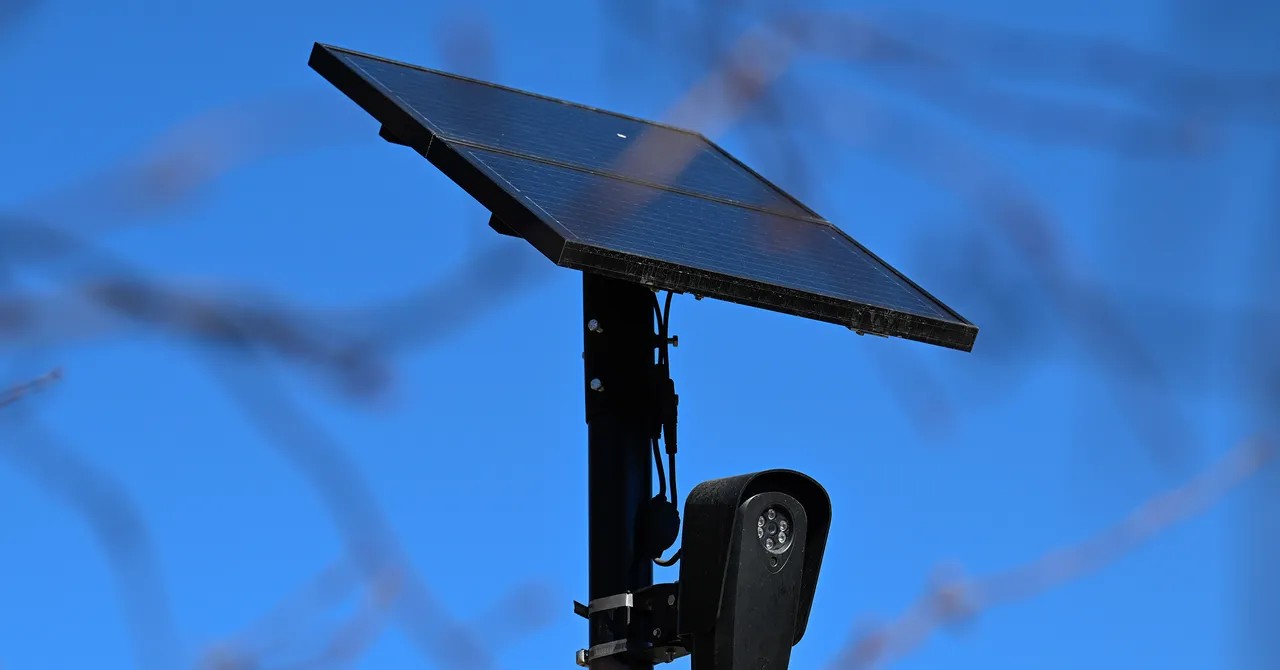
Поліція використовує технології стеження для побудови справ у таємниці. Суспільство захисту громадянських свобод (ACLU) штату Массачусетс нарешті передає юристам інструменти, щоб висвітлити ці секрети.
Все починається із простої, але гострої необхідності: адвокатам у кримінальних справах потрібен набір інструментів для виявлення державного стеження. Не заради галочки, а для того, щоб змусити прокурорів визнати, чи використовувалися розпізнавання осіб, пристрої типу «Стінгрей» (імітатори вишок стільникового зв’язку) або ІІ складені звіти при формуванні доказів проти їхніх клієнтів.
Це не теоретична вправа. Це війна, що йде на двох фронтах.
Озброєння захисту в судах
На цьому тижні організація опублікувала онлайн-ресурс. Вони називають його першим у своєму роді. Він побудований навколо конкретних процесуальних клопотань. Коли суддя задовольняє ці клопотання, прокурори змушені розкрити факт використання технологій стеження.
Що охоплює цей інструмент? Майже всі.
«Стінгреї», що імітують вежі стільникового зв’язку. Дані про місцезнаходження, які продаються сумнівними комерційними посередниками. Автоматичні зчитувачі національних номерів. Forensic інструменти для злому смартфонів. Навіть ПЗ, що витягує дані з мультимедійних систем автомобілів. До списку включено і поліцейські звіти, складені за допомогою ІІ.
Існує також механізм збереження даних. Він вимагає від відомств та приватних провайдерів зберігати цю інформацію до того, як вона знищиться сама. Стратегія спирається правило Верховного суду 1963 року: прокурори зобов’язані передавати будь-які матеріали, які можуть допомогти захисті. Ці клопотання зібрані до бібліотеки, захищеної паролем. Доступ до неї мають лише верифіковані адвокати захисту.
Дженніфер Херрманн, штатний адвокат ACLU та автор ресурсу, чітко описує суть боротьби. Однією задачею є примушення міст відмовитися від використання таких інструментів, як Flock та ShotSpotter. Інше завдання – озброєння юристів для викриття того, що відбувається всередині courtroom.
«Проходить дуже багато часу від початку використання технологій до їхнього конституційного оскарження». – Дженніфер Херрманн
Ці клопотання дозволяють адвокатам заперечувати минулі дії влади. Вони формують прецедент, який залишиться чинним, коли з’явиться наступне інвазивне технологічне нововведення.
Хронічна затримка між впровадженням та правосуддям
Існує проблема з таймінгом. Поліція миттєво впроваджує нові інструменти, тоді як судам потрібні роки, щоб вирішити, чи вони законні.
Мобільні телефони стали повсюдними до кінця 90-х. Однак Верховний суд США зобов’язав отримувати санкції на доступ до даних про геолокацію лише у 2018 році. Ця затримка обумовлена як бюрократичної інерцією. Технології з найгіршими показниками прозорості зазнають найменшої кількості судових розглядів. Чому? Тому що обвинувачені не знають, що за ними ведеться спостереження. Вони не можуть оскаржити таємницю, про яку їм не було повідомлено.
ACLU наголошує, наскільки глибокою стала таємність. Поліція іноді розгортає ці інструменти навіть без попередження прокурорів, які ведуть справу.
Протягом багатьох років ФБР змушувало місцеву поліцію підписувати угоди про нерозголошення для використання імітаторів базових станцій («Стінгре»). У Балтиморі одна така угода прямо наказувала прокурорам закривати справи, замість розкривати інформацію про пристрій. Поліція використала його 4300 разів у період з 2007 по 2015 рік. ФБР зберігало ці угоди як мінімум до 2020 року.
У Міссурі слідчі використали програму Fog Reveal для розслідування вбивства 2017 року. Ассошіейтед Прес не змогла знайти жодних слідів її використання у матеріалах суду. Незважаючи на це, дружина жертви була визнана винною.
У Луїзірані Рендал Куран Реїд був помилково ідентифікований системою розпізнавання осіб. Він провів майже тиждень у в’язниці. Ордер на арешт приписував ідентифікацію «над надійне джерело», а не програмне забезпечення. Документ, який санкціонував арешт, навмисно приховував метод, за допомогою якого виникла підозра.
Реальна проблема: адвокати захисту не ставлять запитань
Автори ACLU формулюють проблему трохи інакше. Справа не лише в тому, що докази ховаються від прокурорів. Справа в тому, що обвинувачених ніколи не повідомляють про те, що було використано той чи інший інструмент. Адвокати захисту просто не знають, про що запитувати.
Гідон Епстін, ще один автор і радник із правових питань, вказує на місцевий прецедент. У справі Commonwealth v. McCarthy* захист запросив матеріали лише для кількох камер, випустивши з уваги всю державну мережу відеоспостереження.
«Часто вони не вимагають повної картини технологій стеження», — каже Епстін. Ці клопотання покликані не лише змусити уряд дотримуватися закону, а й спонукати адвокатів вимагати надання всієї доступної інформації.
Цифрові докази, які знищують себе
Клопотання про збереження даних борються з більш тонкою загрозою: доказами, що самознищуються.
Візьмемо Axon Draft One. Це інструмент на базі ІІ, який пише поліцейські звіти. За задумом розробників, він автоматично видаляє машинно-складену чернетку. Менеджер Axon заявив Electronic Frontier Foundation (EFF), що це робиться, щоб уникнути «головного болю з розкриттям інформації». Законодавці Каліфорнії із цим не згодні. Минулого року вони ухвалили закон, який зобов’язує відомства зберігати чернетки.
Потім є компанія Flock Safety. Мережа зчитувачів держномерів цієї компанії за замовчуванням видаляє запис через 30 днів. У договорі Чикаго зі ShotSpotter зазначено, що дані про постріли є власністю провайдера, а не міста.
В обох випадках цифровий матеріал, необхідний для захисту, може зникнути до того, як обвинуваченому навіть призначать адвоката. Або він може перебувати за файрволом провайдера поза доступом уряду.
Епстон швидко наголошує на суперечності. ACLU зазвичай виступає за швидке видалення даних. Вони лобіюють у Массачусетсі скорочення терміну зберігання даних від Flock з дефолтних 30 днів до двох днів. Але як тільки людина звинувачена? Ці дані можуть стати доказом його невинності. Клопотання про збереження існують саме для захисту цього тимчасового вікна.
Законодавство Массачусетса задає тон
Якщо це здається нереальним, подивіться на місцеві суди. Вищий суд Массачусетсу вже ухвалив рішення двічі.
У 2024 році Судова колегія штату Массачусетс остаточно припинила кримінальну справу щодо наркотиків та незаконне зберігання зброї проти жителя Бостона. Поліція проігнорувала судовий наказ розкрити інформацію про фейкові профілі в соціальних мережах, використаних для стеження за ним. Ці профілі використовували аватари темношкірих та коричневих людей. Прокурорам тепер заборонено повторно порушувати цю справу.
Минулого року суд ухвалив, що обвинувачені мають право вимагати слухання. Вони можуть змусити прокурорів довести точність системи ShotSpotter, перш ніж ці докази будуть представлені присяжним.
Ці рішення пояснюють чому ресурс спирається на законодавство Массачусетса. Верховний суд штату кілька років випереджає федеральні суди. Він зобов’язував отримувати санкції на доступ до даних із телефонів ще 2011 року. ACLU стверджує, що цю правову framework можна адаптувати і в інших штатах.
Чому саме зараз?
Збіг випадково не випадковий. Три тижні тому Верховний суд США зробив важливий крок. У рішенні 6 проти 3 він оголосив, що геолокаційні ордери (geofence warrants) є «обшуком» у рамках Четвертої поправки до Конституції. Такі ордери змушують Google ідентифікувати телефони, що були поруч із місцем злочину. Суд повернув справу до судів нижчої інстанції для уточнення деталей.
ACLU вносить клопотання про геолокаційний ордер саме у цю нестабільну правову зону.
Організація хоче отримати зворотний зв’язок. Адвокатів просять повідомляти про досвід використання клопотань у справі. Херрманн каже, що мета зробити якісну юридичну роботу «доступною кожному адвокату в один дотик». Виявляти прогалини. Продовжуватиме формувати правову базу.
Над усією цією ситуацією висить риторичне питання. Якщо уряд може шпигувати за нами, не повідомляючи нам про це, чи можемо ми, як і раніше, вважатися невинними до доведеної вини? Чи ми невинні лише доти, доки не дізнаємося, в чому нас звинувачують?
Побачимо, як це розіграється у судових протоколах. Інструментарій готовий. Питання, чи готові суди вислухати.